


This article explores what is the most painful part of a dental implant from patient experience and clinical perspectives, offering insights into each stage of the process and how discomfort can be effectively managed. Understanding the potential pain points can help alleviate anxiety and ensure a smoother journey towards a confident, functional smile with Albania Dental Implants.
Overview of Dental Implant Procedure
The dental implant procedure is a multi-stage process designed to provide a permanent solution for missing teeth. Understanding the steps involved helps to contextualize where pain and discomfort may arise. From initial consultation to final restoration, each phase plays a critical role in the overall success of the implant and the patient’s experience.
Key Stages of the Dental Implant Surgery and Recovery Process
- Initial Consultation and Assessment: The dentist assesses your oral health, bone density, and overall suitability for dental implants. X-rays and scans are taken to plan the procedure.
- Tooth Extraction (if necessary): If the implant site requires a tooth to be removed, this is typically done before the implant placement.
- Bone Grafting (if necessary): If there isn’t enough bone volume to support the implant, a bone graft may be required. This involves transplanting bone tissue to the area to stimulate new bone growth. This is something we are experienced with at bone grafting in Albania.
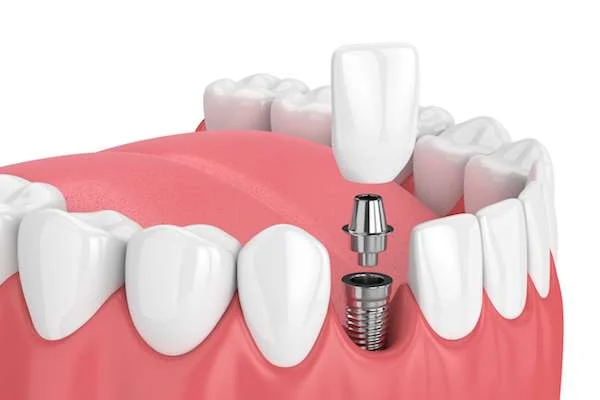
- Implant Placement: The dental implant, a titanium screw, is surgically inserted into the jawbone.
- Osseointegration: This is the healing period where the implant fuses with the jawbone. It can take several months.
- Abutment Placement: Once osseointegration is complete, an abutment (a connector piece) is attached to the implant.
- Crown Placement: A custom-made dental crown is attached to the abutment, providing a natural-looking and functional replacement tooth.
Pain can potentially arise at various stages, primarily during the surgical procedures (extraction, bone grafting, implant placement) and in the immediate post-operative phase. The severity and duration of discomfort vary significantly between individuals, influenced by factors like pain tolerance, procedure complexity, and adherence to post-operative instructions.
Most Painful Stage of a Dental Implant
Determining the most painful part of a dental implant is subjective, but it’s generally agreed that the immediate aftermath of surgery, particularly implant swelling and bruising, presents the greatest discomfort. While advancements in dental clinic in Albania anesthesia minimize pain during the procedure, recovery can involve soreness, swelling, and bruising.
Pain During Implant Surgery
Thanks to modern dental anesthesia, the implant surgery itself is generally not painful. Dentists use local anesthesia to numb the area, ensuring that patients remain comfortable throughout the procedure. In some cases, sedation dentistry options like intravenous sedation may be offered to further alleviate anxiety and discomfort.
The effectiveness of local anesthesia is paramount. Before beginning the procedure, the dentist will carefully administer the anesthetic, ensuring the entire surgical site is completely numb. Patients may feel pressure or vibration during the surgery, but sharp pain should be minimal or non-existent. If a patient experiences any discomfort, they should immediately inform their dentist, who can administer more anesthesia as needed.
Pain in the Post-Operative Phase
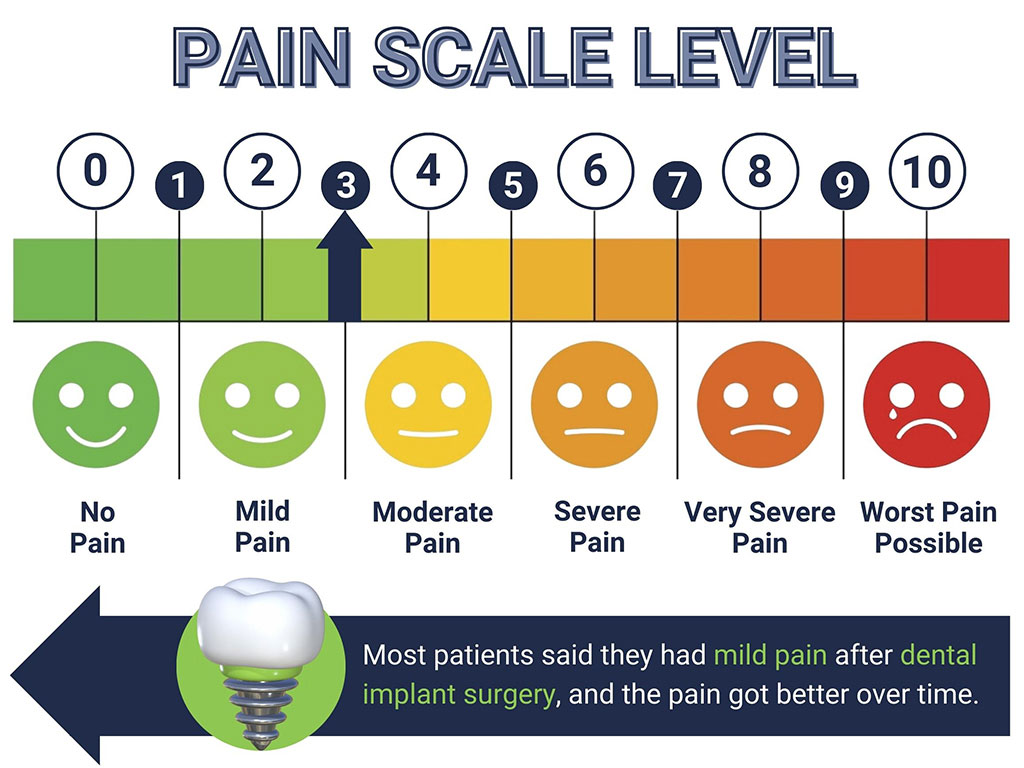
The recovery pain following implant surgery is often described as moderate and manageable. Immediately after the procedure, patients can expect some level of discomfort, with swelling, bruising, and soreness around the implant site. The intensity of this post-operative discomfort typically peaks within the first 24-72 hours before gradually subsiding. Post-operative discomfort is linked with implant swelling and bruising.
Here’s what patients typically report:
- Swelling: Swelling is a common side effect and can extend to the cheeks, gums, and even the jawline. Applying ice packs can significantly reduce swelling.
- Bruising: Some patients may experience bruising around the surgical site, which can range from mild discoloration to more noticeable bruising.
- Soreness: Soreness and tenderness around the gums are common, making it uncomfortable to chew or touch the area.
Patient testimonies often highlight the importance of adhering to the dentist’s post-operative instructions. Many find that taking prescribed or over-the-counter pain medication as directed, along with diligent oral hygiene practices, significantly reduces discomfort. Here is an example testimonial: “The first couple of days were a bit rough with the swelling, but once I started using the ice packs and taking the pain meds, it was manageable. Just follow your dentist’s instructions!” – Sarah J.
Bone Grafting: Is It Worse Than Implant Surgery?
For patients requiring bone grafting, the level of discomfort can be a significant concern. Bone graft pain is often perceived as slightly more intense than implant surgery alone, but this varies based on the extent and location of the graft. A sinus lift pain, a common type of bone graft for upper implants, can create additional pressure and discomfort.
The perceived increase in pain is due to several factors:
- Increased Surgical Area: Bone grafting involves a larger surgical site, potentially leading to more tissue trauma.
- Healing Time: Bone grafts require a longer healing period, which can extend the duration of discomfort.
- Sinus Involvement: Sinus lift procedures, in particular, can cause pressure and congestion in the sinus area, adding to the overall discomfort.
However, advancements in surgical techniques and pain management protocols have made bone grafting more comfortable. Dentists use minimally invasive approaches whenever possible, and appropriate pain medication can effectively manage post-operative discomfort. Patient feedback underscores the importance of open communication with the dentist and proactive pain management. Some people find that dental tourism in Albania can allow you to find more affordable solutions and pain management strategies.
Managing Dental Implant Pain
Effective dental implant pain management is crucial for a comfortable recovery. By understanding the available options and following aftercare guidelines, patients can significantly reduce discomfort and promote healing after their dental implant procedure. Pain management goes a long way to reducing discomfort.
Pain Relief Options and Strategies
A variety of pain relief options can help manage discomfort after dental implant surgery. These typically include:
- Over-the-Counter Painkillers: Medications like ibuprofen (Advil, Motrin) and acetaminophen (Tylenol) can effectively alleviate mild to moderate pain.
- Prescription Medication: In some cases, dentists may prescribe stronger pain relievers, such as opioids, for the first few days after surgery. It’s essential to use these medications as directed and be aware of potential side effects.
- Cold Compresses: Applying ice packs to the cheeks can reduce swelling and numb the area, providing significant pain relief.
- Warm Compresses: After the first 48 hours, switching to warm compresses can promote blood flow and reduce muscle soreness.
Beyond medication and compresses, other strategies can help reduce pain. Some patients find that rinsing with warm salt water several times a day soothes the gums and promotes healing. Others use topical anesthetic gels to numb specific areas of discomfort. Dental clinics in Albania have a wealth of experience of dealing with pain after a procedure.
Aftercare Guidelines for Minimising Pain
Following your dentist’s aftercare instructions is paramount for minimizing pain and promoting successful healing. Key guidelines typically include:
- Oral Hygiene: Gently brush your teeth, avoiding the surgical site. Use an antibacterial mouthwash to keep the area clean.
- Dietary Advice: Stick to soft foods to avoid putting pressure on the implant site. Avoid hot, spicy, or hard foods that can irritate the area.
- Rest: Get plenty of rest to allow your body to heal. Avoid strenuous activities that can increase swelling and pain.
- Hydration: Drink plenty of fluids to stay hydrated and promote healing.
- Avoid Smoking and Alcohol: Both smoking and alcohol can impair healing and increase the risk of complications.
Patients should also be vigilant for any signs of infection, such as increased pain, redness, swelling, or pus. If any of these symptoms occur, it’s crucial to contact your dentist promptly. Remember, proactive aftercare is the key to a smooth and comfortable recovery.
Complications Causing Additional Pain
While most dental implant procedures are successful, complications can arise, leading to additional pain and discomfort. Understanding the potential issues is vital for prompt intervention and management. Some people find that dental tourism in Albania provides the opportunity for better priced corrective treatment.
Common Dental Implant Complications
The following are possible implant complications that can increase pain:
- Infection: Bacterial infection around the implant site can cause inflammation, pain, and pus. Infections typically require antibiotic treatment and, in severe cases, may necessitate implant removal.
- Failed Osseointegration: If the implant doesn’t properly fuse with the jawbone, it can become loose and painful. Failed osseointegration may require additional surgery and bone grafting.
- Nerve Injury: Damage to nerves during implant placement can result in chronic pain, numbness, or tingling in the gums, lips, or chin.
- Sinus Problems: Implants in the upper jaw can sometimes protrude into the sinus cavity, causing sinus pain, congestion, and infection.
- Implant Rejection: Though rare, the body can reject the implant, leading to inflammation, pain, and eventual implant failure.
It’s important to note that complications are relatively uncommon, especially when the procedure is performed by an experienced and qualified dentist. However, patients should be aware of the potential risks and know what to look out for.
When to Contact Your Dentist About Pain
Knowing when to seek professional help for excessive dental implant pain is crucial. While some post-operative discomfort is normal, certain symptoms may indicate a more serious problem requiring prompt attention. Prolonged discomfort and emergency symptoms are cause for concern.
Warning Signs and Emergency Symptoms
Contact your dentist immediately if you experience any of the following:
- Uncontrolled Bleeding: Bleeding that doesn’t stop after applying pressure for 20-30 minutes.
- Severe Pain: Pain that is not relieved by pain medication.
- High Fever: A fever above 100.4°F (38°C).
- Pus or Drainage: Pus or drainage from the implant site.
- Numbness or Tingling: New or worsening numbness or tingling in the gums, lips, or chin.
- Loose Implant: A feeling that the implant is loose or moving.
- Difficulty Breathing or Swallowing: Difficulty breathing or swallowing, which may indicate a severe allergic reaction or infection.
Remember, early detection and treatment of complications can prevent more serious problems and improve the long-term success of your dental implant. Don’t hesitate to contact your dentist if you have any concerns about your recovery.
FAQ to Answer in Detail
Here are some frequently asked questions about dental implants to give you a better understanding of what to expect and how to navigate the process.
What is the most painful part of a dental implant?
While individual experiences vary, many patients report that the most painful part of a dental implant is the post-operative phase, particularly the first few days after surgery. This is when swelling, bruising, and soreness are typically at their peak.
Is dental implant surgery itself painful?
Thanks to local anesthesia and sedation options, the dental implant surgery itself is generally not painful. Patients may feel pressure or vibration, but sharp pain should be minimal or non-existent.
How long does dental implant pain last after surgery?
The duration of pain varies, but most patients experience the most intense discomfort within the first 24-72 hours after surgery. The pain typically gradually subsides over the following week.
Is bone grafting for implants more painful than the main procedure?
Bone grafting can be more painful than implant surgery alone, particularly due to the larger surgical area and longer healing time. However, pain management strategies can effectively manage discomfort.
What does normal post-surgical pain feel like?
Normal post-surgical pain typically feels like soreness, tenderness, and throbbing around the implant site. Swelling and bruising are also common. The pain should be manageable with over-the-counter or prescription pain medication.
How can I manage pain after a dental implant?
Pain can be managed with a combination of pain medication, cold compresses, warm compresses, gentle oral hygiene, and following your dentist’s aftercare instructions.
When should you worry about dental implant pain?
You should worry about dental implant pain if it’s severe, not relieved by medication, accompanied by fever or pus, or associated with numbness, tingling, or a loose implant. Contact your dentist immediately if you experience any of these symptoms.
Are there effective ways to reduce swelling and bruising?
Yes, cold compresses applied to the cheeks for the first 24-48 hours can significantly reduce swelling and bruising. After 48 hours, switching to warm compresses can promote blood flow and reduce muscle soreness.
Do some people experience no pain at all?
While it’s uncommon to experience no pain at all, some patients have a higher pain tolerance and may experience minimal discomfort. Adhering to post-operative instructions can also help to minimize pain.
Is implant pain different from tooth extraction pain?
Implant pain is often compared to tooth extraction pain, but it can be more localized and may last longer due to the more invasive nature of the procedure. Bone grafting can also add to the overall discomfort.
Ready for a Confident Smile? Contact Albania Dental Implants Today!
Understanding the potential pain points of dental implants empowers you to make informed decisions and prepare for a successful procedure. At Albania Dental Implants, we prioritize patient comfort and provide comprehensive pain management strategies to ensure a positive experience. With state-of-the-art facilities and experienced dental professionals, we’re committed to helping you achieve a confident, functional smile.
Don’t let the fear of pain hold you back from the life-changing benefits of dental implants. Contact Albania Dental Implants today to schedule a consultation and learn more about our services, including affordable dental tourism options in Albania. Our team will guide you through every step of the process, ensuring your comfort and satisfaction. Let us help you rediscover the joy of a complete, healthy smile!