



Mouth Full of Implants – The Complete Guide
A mouth full of implants can completely transform your smile and oral health, providing a permanent and stable solution for missing teeth. If you’re considering full mouth dental implants, all-on-4 implants, implant supported dentures, teeth in a day, or full arch implants, this comprehensive guide will walk you through everything you need to know about the procedure, costs, benefits, and more. At Albania Dental Implants, we are committed to providing top-quality dental solutions, and we hope this guide helps you make an informed decision about your oral health.
What Does a Mouth Full of Implants Mean?
Dental implants explained: A “mouth full of implants” refers to replacing all or most of your natural teeth with dental implants. This involves surgically placing titanium posts into your jawbone, which then fuse with the bone over time through a process called osseointegration. These implants act as artificial tooth roots, providing a stable base for replacement teeth.
Defining “Mouth Full of Implants”
A mouth full of implants essentially restores an entire dental arch, improving functionality and aesthetics. Unlike traditional dentures, which rest on the gums, dental implants are anchored in the jawbone, offering superior stability and preventing bone loss. This treatment can involve replacing all teeth in both the upper and lower jaws, or just one arch depending on the patient’s needs.
Different Implant Systems: Types of Full Mouth Implants
Several implant systems can be used to achieve a mouth full of implants. The most common include:
- All-on-4: This technique uses just four implants to support an entire arch of teeth. The implants are strategically placed at an angle to maximize bone contact, often eliminating the need for bone grafting. Learn more about all on 4 dental implants in Albania.
- All-on-6: Similar to All-on-4, but uses six implants for added stability, especially beneficial for patients with denser bone or who require a more robust solution.
- Implant Supported Dentures: These dentures snap onto dental implants, providing a more secure and comfortable fit than traditional dentures. A great option to consider are implant overdentures in Albania .
Fixed vs Removable Implants: How Many Implants Do I Need?
The choice between fixed and removable implants depends on your specific needs and preferences.
- Fixed Implants: These are permanently attached to the implants and can only be removed by a dentist. They offer the most natural look and feel, closely mimicking the function of natural teeth.
- Removable Implants: Implant supported dentures can be taken out for cleaning and maintenance. They are a more affordable option compared to fixed implants, but may not provide the same level of stability and comfort.
The number of implants needed varies depending on the chosen system and your individual anatomy. Typically, a full upper or lower arch can be supported by 4 to 8 implants.
Who Needs a Mouth Full of Implants?
Candidates for full mouth dental implants: A mouth full of implants is an excellent option for individuals who have lost most or all of their teeth due to various reasons. These reasons can include tooth loss, severe decay, or bone loss. It’s important to assess your individual needs and eligibility criteria.
Typical Patient Profiles: Tooth Loss, Severe Decay, Bone Loss
Ideal candidates for full mouth implants often include:
- Individuals with extensive tooth loss: Those who have lost multiple teeth due to decay, gum disease, or injury.
- Patients with severe tooth decay: People with teeth so severely decayed that they cannot be saved with fillings or root canals.
- Those with significant bone loss: Individuals who have experienced bone resorption in the jaw, making traditional dentures unstable. In some cases, a bone grafting in Albania may be neccessary.
- Denture wearers seeking stability: People who are unhappy with the fit and function of their traditional dentures and desire a more permanent solution.
Candidacy Criteria and Consultation Process
To determine if you are a good candidate for a mouth full of implants, dentists typically evaluate the following:
- Overall health: Good general health is essential for successful implant surgery and healing. Conditions like uncontrolled diabetes or certain autoimmune diseases may affect candidacy. Who should not get dental implants?
- Bone density: Sufficient bone volume in the jaw is necessary to support the implants. If bone loss is present, bone grafting may be required.
- Gum health: Healthy gums are crucial for the long-term success of implants. Any existing gum disease must be treated before implant placement.
- Commitment to oral hygiene: Maintaining excellent oral hygiene is vital for preventing complications and ensuring the longevity of your implants.
The consultation process usually involves a comprehensive dental exam, X-rays, and/or CT scans to assess your oral health and bone structure. The dentist will discuss your treatment options, costs, and potential risks to help you make an informed decision.
Benefits of Getting a Mouth Full of Implants
Full mouth implant benefits: Choosing a mouth full of implants offers several advantages over traditional tooth replacement options. It provides improved chewing, bone preservation, and a confidence boost.
Permanence and Stability
One of the primary benefits of dental implants is their permanence and stability. Unlike dentures, which can slip or move around, implants are firmly anchored in the jawbone. This ensures a secure and comfortable fit, allowing you to eat, speak, and smile with confidence. Learn how long do dental implants last.
Appearance and Function
Full mouth dental implants look and feel like natural teeth, providing a seamless and aesthetically pleasing result. They restore your ability to chew properly, allowing you to enjoy a wider range of foods without discomfort or limitations. This can significantly improve your nutrition and overall health. Furthermore, dental implants help maintain your facial structure by preventing bone loss, which can cause a sunken or aged appearance.
Impact on Oral Health and Daily Life
Dental implants have a profound impact on your oral health and daily life. They eliminate the need for messy adhesives or uncomfortable dentures, simplifying your oral hygiene routine. Implants also prevent bone loss in the jaw, preserving your facial structure and supporting the health of adjacent teeth. With a mouth full of implants, you can regain your self-esteem and enjoy a better quality of life.
Procedure for a Mouth Full of Implants
Dental implant surgery steps: The procedure for getting a mouth full of implants involves several steps, from initial planning and diagnostics to the final placement of permanent teeth. Understanding the treatment timeline, healing process, and aftercare is essential for a successful outcome.
Planning and Diagnostics: Scans, Consultations
The first step in the process is a comprehensive planning phase, which includes:
- Dental Exam: A thorough examination of your teeth, gums, and jawbone to assess your oral health.
- X-rays and CT Scans: Imaging techniques to evaluate bone density and identify any underlying issues.
- Consultation: A detailed discussion with the dentist about your treatment goals, options, and potential risks.
- Treatment Plan: A customized plan outlining the number of implants needed, the type of restoration, and the timeline for the procedure.
Step-by-Step Treatment: Surgical Stages
The surgical stages of implant placement typically involve:
- Anesthesia: Local anesthesia is administered to numb the area, and sedation may be used to help you relax during the procedure. If you are nervous, consider are you put to sleep for dental implants?
- Implant Placement: The dentist makes an incision in the gums and carefully places the titanium implants into the jawbone.
- Healing Period: A period of several months is required for osseointegration, during which the implants fuse with the bone.
- Abutment Placement: Once osseointegration is complete, abutments (connectors) are attached to the implants to support the replacement teeth.
- Prosthetic Teeth Placement: Custom-made crowns, bridges, or dentures are attached to the abutments, completing your new smile.
Healing, Osseointegration, Placement of Permanent Teeth
The healing process is crucial for the success of dental implants. Osseointegration typically takes 3 to 6 months, depending on individual factors such as bone density and overall health. During this time, it’s essential to follow your dentist’s instructions for oral hygiene and diet to promote healing and prevent complications. Once osseointegration is complete, your permanent teeth will be placed, providing a functional and aesthetically pleasing result.
Costs and Financing Options
Full mouth implant cost UK: The cost of a mouth full of implants can vary widely, depending on the complexity of the case, the materials used, and the dentist’s fees. Understanding the cost ranges, NHS possibilities, and financing options is essential for making this investment affordable.
UK Cost Ranges and Variables
In the UK, the cost of full mouth dental implants can range from £7,000 to £30,000 or more per arch. Factors that influence the cost include:
- Number of Implants: More implants generally mean a higher cost.
- Type of Implant System: All-on-4 or All-on-6 systems may have different price points.
- Materials Used: The choice of materials for the replacement teeth (e.g., porcelain, zirconia) can affect the cost.
- Additional Procedures: Bone grafting or sinus lifts can add to the overall expense. Consider sinus lift in Albania.
- Dentist’s Fees: Experienced and specialized dentists may charge higher fees.
NHS Possibilities Versus Private Treatment
Dental implants are rarely available on the NHS, and are typically reserved for cases of medical necessity, such as trauma or congenital defects. Most individuals seeking full mouth implants will need to pursue private treatment. Private dental clinics offer a wider range of options and often provide more personalized care.
Payment and Finance Plans
Many private dental clinics offer payment plans or financing options to help make full mouth implants more affordable. These may include:
- Monthly Payment Plans: Spreading the cost over several months or years.
- Dental Finance Companies: Partnering with finance companies that specialize in dental loans.
- Personal Loans: Taking out a personal loan to cover the cost of treatment.
Exploring these options can help you find a payment plan that fits your budget and allows you to achieve your desired smile transformation. You might also consider dental tourism in Albania for a more affordable option.
Risks, Drawbacks, and Alternatives
Dental implant risks: While full mouth implants are generally safe and effective, it’s essential to be aware of potential risks, drawbacks, and alternative tooth replacement options. Common side effects, implant failure, and maintenance requirements should be considered.
Complications and Management
Potential complications associated with dental implants include:
- Infection: Infection at the implant site can occur during or after surgery.
- Nerve Damage: Damage to nerves in the jaw can cause pain, numbness, or tingling in the lips, chin, or tongue.
- Sinus Problems: Implants placed in the upper jaw can sometimes protrude into the sinus cavity.
- Implant Failure: In rare cases, implants may fail to fuse with the bone, requiring replacement.
Proper planning, skilled surgical technique, and diligent aftercare can minimize these risks. Your dentist will discuss potential complications with you before the procedure and provide instructions for managing any issues that may arise.
Alternative Tooth Replacement Options
If dental implants are not the right option for you, alternative tooth replacement options include:
- Full Dentures: Removable appliances that replace all teeth in an arch. They are a more affordable option than implants but may not provide the same level of stability or comfort. Consider what are the three types of dentures.
- Implant Supported Dentures: Dentures that attach to dental implants for added stability.
- Dental Bridges: Fixed appliances that replace one or more missing teeth by anchoring to adjacent teeth.
Each of these options has its own advantages and disadvantages, and the best choice for you will depend on your individual needs and preferences.
Real Patient Results and Testimonials
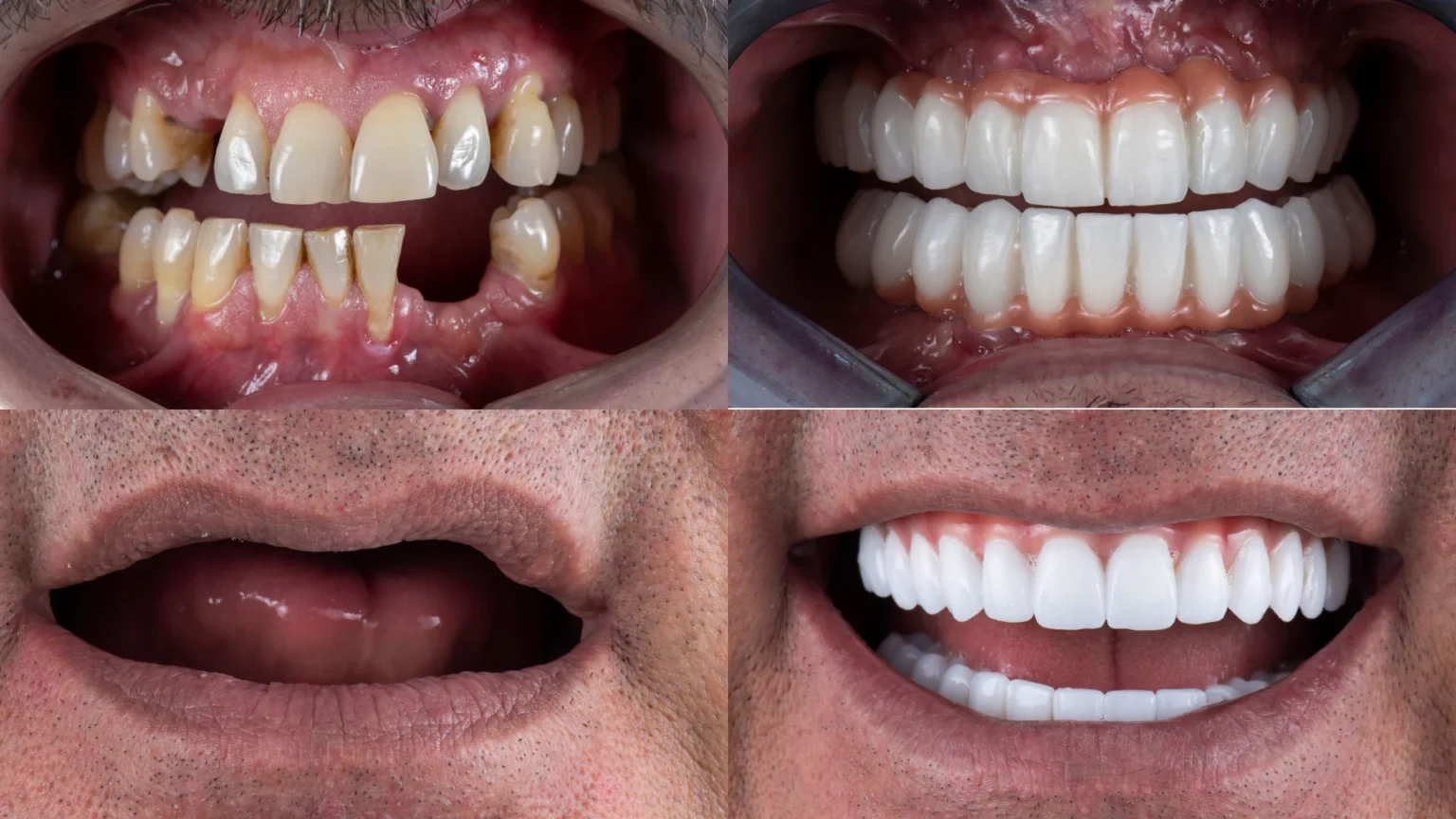
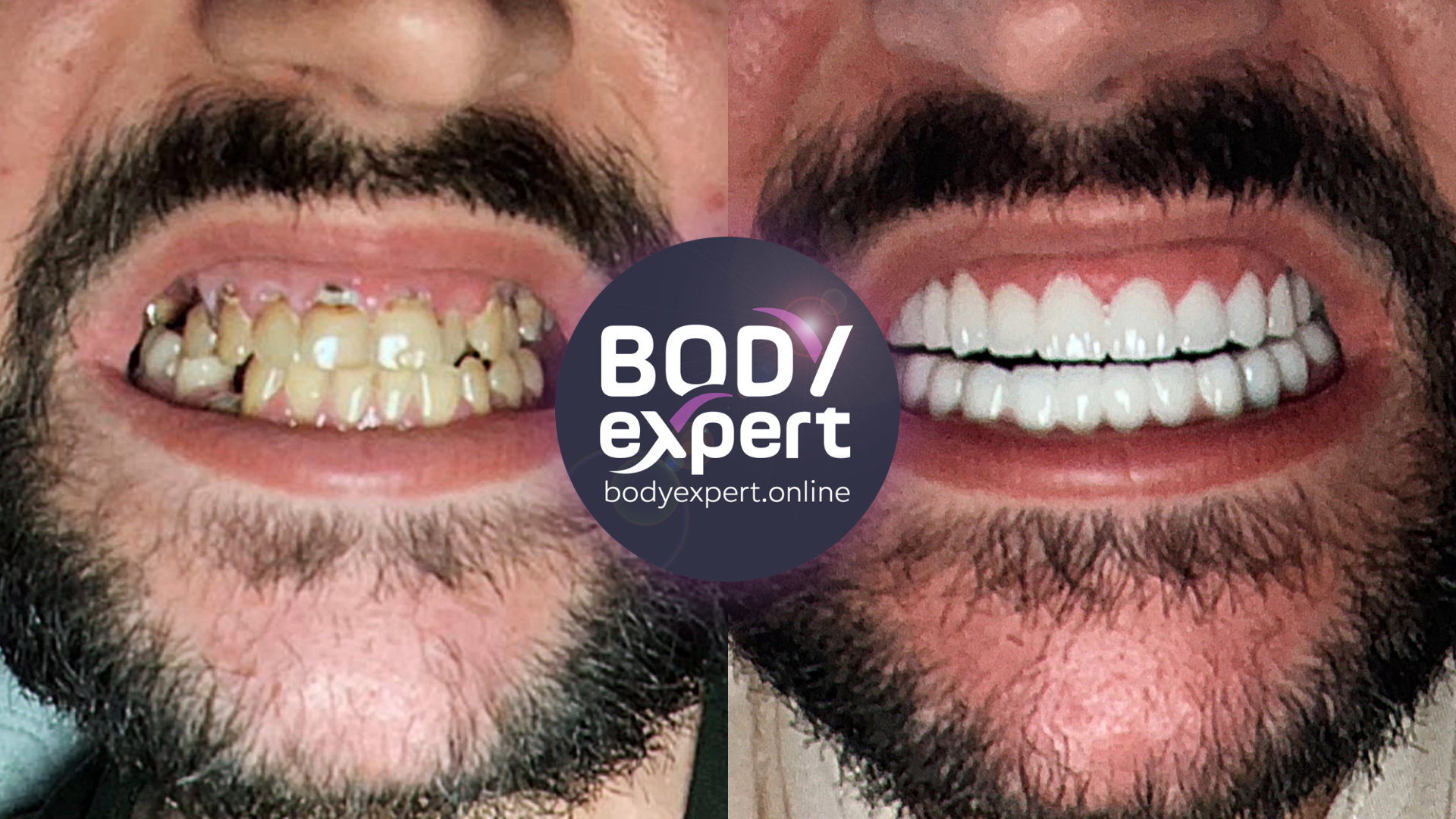
Before and after dental implants: Seeing real patient results and reading testimonials can provide valuable insights into the success rates, patient satisfaction, and overall benefits of full mouth implants.
Success Rates
The success rate for full mouth dental implants is generally high, with studies reporting rates of 90% to 95% over a 10-year period. Factors that contribute to success include:
- Proper Planning and Diagnostics
- Experienced Surgical Team
- High-Quality Materials
- Good Oral Hygiene
Choosing a skilled and experienced dentist is essential for maximizing your chances of a successful outcome.
Patient Satisfaction
Patients who receive full mouth implants often report high levels of satisfaction. They appreciate the improved appearance, functionality, and comfort of their new teeth. Many patients also experience a boost in self-esteem and overall quality of life.
Sample Before/After Scenarios
Consider the following hypothetical scenarios:
- Scenario 1: A 60-year-old woman who has worn dentures for many years is unhappy with their fit and function. She opts for All-on-4 implants and experiences a dramatic improvement in her ability to eat and speak, as well as a significant boost in her confidence.
- Scenario 2: A 45-year-old man who has lost most of his teeth due to decay chooses full mouth implants. He is thrilled with the natural look and feel of his new teeth and is able to enjoy a wider range of foods without discomfort.
FAQs About a Mouth Full of Implants
How many implants are needed for a full mouth?
The number of implants needed for a full mouth restoration typically ranges from 4 to 8 per arch. The All-on-4 technique, for example, uses just four implants to support an entire arch of teeth. Other systems may require more implants for added stability.
How long do full mouth dental implants last?
With proper care and maintenance, full mouth dental implants can last for many years, even a lifetime. Regular dental check-ups, good oral hygiene, and a healthy lifestyle can help ensure the longevity of your implants.
What does the recovery process involve?
The recovery process after full mouth implant surgery typically involves some discomfort, swelling, and bruising. Pain medication can help manage any discomfort. It’s essential to follow your dentist’s instructions for oral hygiene and diet during the healing period. Most patients can return to their normal activities within a few days, but complete osseointegration may take several months.
Are full mouth implants painful?
While some discomfort is normal after implant surgery, the procedure itself is typically not painful. Local anesthesia is used to numb the area during surgery, and sedation can help you relax. Post-operative pain can be managed with medication.
Can anyone get a full mouth of implants?
While most people are good candidates for full mouth implants, certain medical conditions or lifestyle factors may affect candidacy. Good general health, sufficient bone density, and healthy gums are essential for a successful outcome. A thorough evaluation by a dentist is necessary to determine if implants are the right option for you. Consider who is not suitable for implants?
How do I care for a mouth full of implants?
Caring for a mouth full of implants involves maintaining excellent oral hygiene. This includes brushing your teeth twice a day, flossing daily, and using an antimicrobial mouthwash. Regular dental check-ups are also essential for monitoring the health of your implants and preventing complications.
What is the difference between All-on-4 and traditional implants?
The All-on-4 technique uses just four implants to support an entire arch of teeth, while traditional implants may require more implants per arch. All-on-4 implants are strategically placed at an angle to maximize bone contact, often eliminating the need for bone grafting. This technique can also be faster and more cost-effective than traditional implants.
Are full mouth implants available on the NHS?
Full mouth dental implants are rarely available on the NHS and are typically reserved for cases of medical necessity. Most individuals seeking this treatment will need to pursue private dental care.
What’s the success rate for full mouth dental implants?
The success rate for full mouth dental implants is generally high, with studies reporting rates of 90% to 95% over a 10-year period. Factors that contribute to success include proper planning, skilled surgical technique, and good oral hygiene.
Is there an age limit for full mouth implants?
There is no specific age limit for full mouth implants. As long as you are in good general health and have sufficient bone density, you may be a good candidate for the procedure, regardless of your age. Also think about can it be too late for dental implants?
Next Steps – Planning Your Treatment in the UK
Dental implant clinics UK: Planning your treatment in the UK involves finding a reputable dental clinic, booking consultations, and understanding what to expect at your first visit. Choosing a provider is a crucial decision that can affect the success of your treatment.
How to Book Consultations
To book a consultation with a dental implant specialist, start by researching clinics in your area. Check online reviews and testimonials to get an idea of the clinic’s reputation and the dentist’s experience. Contact the clinic by phone or email to schedule an appointment. Be prepared to provide information about your dental history and any specific concerns you may have.
What to Expect at Your First Visit
At your first visit, the dentist will conduct a comprehensive dental exam and evaluate your oral health. They may take X-rays or CT scans to assess your bone density and identify any underlying issues. The dentist will discuss your treatment options, costs, and potential risks, and answer any questions you may have. This is also an opportunity to get a sense of the dentist’s communication style and determine if you feel comfortable with their approach.
Ready to transform your smile with a mouth full of implants? Contact Albania Dental Implants today to schedule a consultation and learn more about our comprehensive dental solutions. Visit our contact Albania dental implants page today.





