



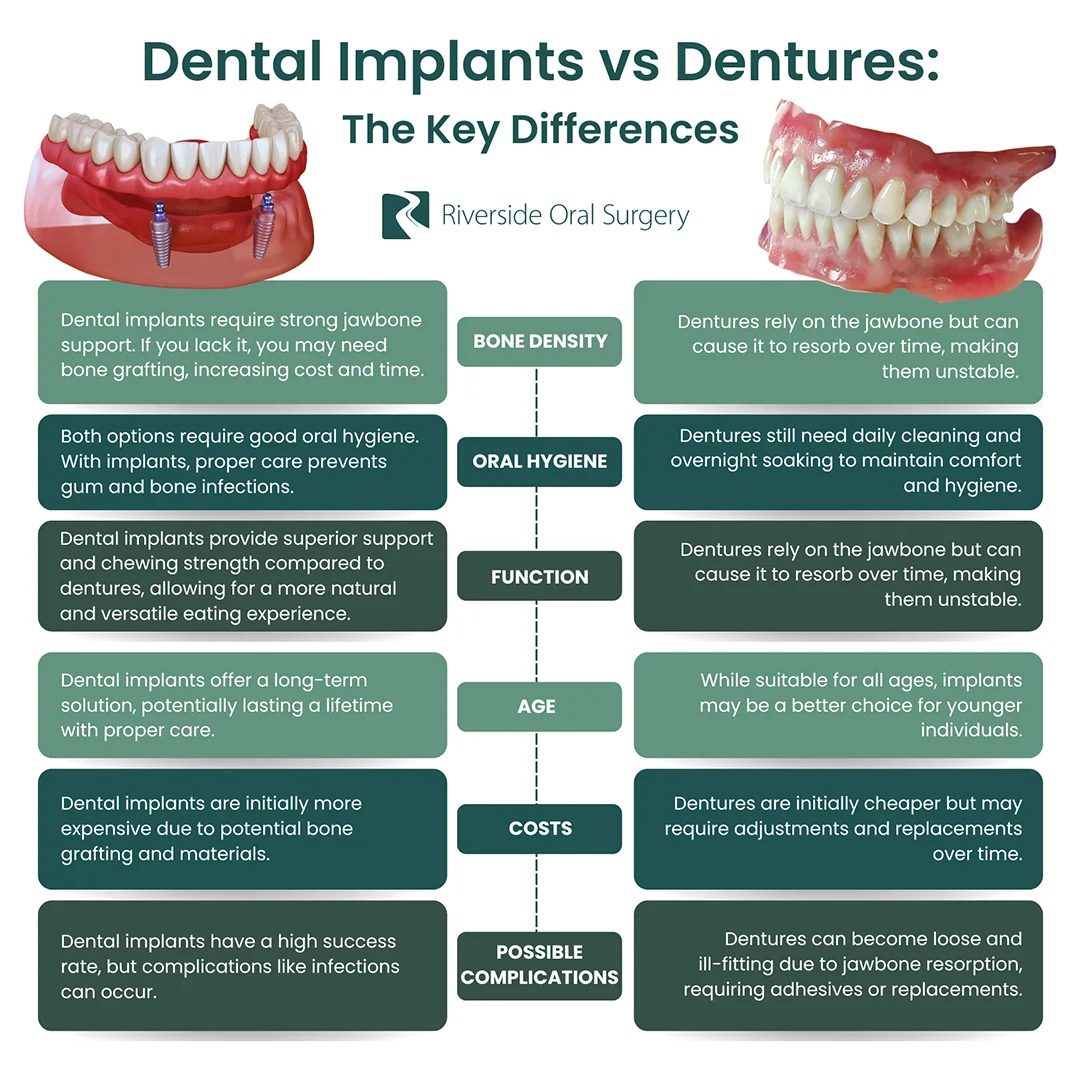

Deciding on the best option for replacing missing teeth can be a daunting task. Are implants better than dentures? The answer isn’t always straightforward, as the ideal choice hinges on individual needs, preferences, and financial considerations. This comprehensive guide explores the differences, advantages, and disadvantages of both dental implants and dentures, helping you make an informed decision that restores your smile and improves your quality of life.
Dental Implants vs Dentures: What’s the Difference?
When considering tooth replacement options, understanding the core differences between dental implants vs dentures is essential. Both aim to restore your smile and oral function, but they achieve this in fundamentally different ways.
What are Dental Implants?
Dental implants are artificial tooth roots, typically made of titanium, that are surgically placed into your jawbone. This process, part of the dental implant procedure steps, provides a stable and permanent foundation for replacement teeth that look, feel, and function like natural teeth. A key benefit is bone loss prevention, as the implant stimulates the jawbone, preventing it from deteriorating after tooth loss.
- The procedure involves several stages:
- Initial consultation and assessment.
- Implant placement surgery.
- Osseointegration (the process where the implant fuses with the jawbone).
- Attachment of an abutment (a connector piece).
- Placement of the final crown (the visible part of the tooth).
Dental implants offer a long-term solution, but they require a surgical procedure and are not suitable for everyone.
What are Dentures?
Dentures are removable replacements for missing teeth, made from acrylic or porcelain. There are several types of dentures, each serving a different purpose. Traditional dentures rest on the gums, whereas implant-supported dentures attach to dental implants for increased stability.
- Full dentures: Replace all the teeth in an upper or lower jaw.
- Partial dentures: Fill gaps when some natural teeth remain.
- Removable dentures: Can be taken out for cleaning and sleeping.
- Fixed dentures: (Implant-supported) offer better stability.
Dentures are a non-surgical option and generally more affordable than implants, but they may not feel as secure or natural as implants.
Pros and Cons of Dental Implants
Understanding the pros and cons of dental implants is crucial in weighing your options. While dental implants offer many benefits, they also come with certain drawbacks that need to be considered.
Benefits
- Longevity and permanence: With proper care, dental implants can last a lifetime. This is a significant advantage over dentures, which typically need replacement every 5-10 years. How long do dental implants last? depends heavily on good oral hygiene and regular dental check-ups.
- Preservation of jawbone: Dental implants stimulate the jawbone, preventing the bone loss and oral health deterioration that often occurs after tooth loss. This helps maintain facial structure and support adjacent teeth.
- Stability and function similar to natural teeth: Dental implants are anchored in the jawbone, providing exceptional stability. This allows you to eat, speak, and smile with confidence, without worrying about slippage or discomfort. Many patients who have the smile they have always wanted can enjoy a better quality of life.
- Improved comfort and appearance: Dental implants look and feel like natural teeth, enhancing your smile and boosting your self-esteem. They eliminate the bulkiness and potential irritation associated with dentures.
For those seeking a long-term solution that closely mimics natural teeth, implants are often the preferred choice. When it comes to the question of are dental implants worth the money? the answer is a resounding yes.
Drawbacks
- Higher cost: Dental implants are more expensive than dentures, both upfront and potentially over the long term. However, it’s important to consider the long-term value and potential need for denture replacements.
- Surgical procedure required: The placement of dental implants involves surgery, which carries inherent risks such as infection, bleeding, and nerve damage. This might be a concern for some patients.
- Not suitable for everyone: Certain health conditions, such as uncontrolled diabetes or significant bone loss, can make you ineligible for dental implants. Careful assessment and planning are essential. It is essential to assess who should not get dental implants.
- Potential risks/complications: Although rare, complications such as implant failure, infection, or nerve damage can occur. Choosing an experienced and qualified dental professional can minimize these risks.
Despite the potential drawbacks, many patients find that the benefits of dental implants outweigh the risks and costs.
Pros and Cons of Dentures
When evaluating tooth replacement options, carefully considering the pros and cons of dentures is essential. Dentures offer a different set of advantages and disadvantages compared to dental implants.
Benefits
- Lower upfront cost: Dentures are significantly less expensive than dental implants, making them a more accessible option for individuals on a budget.
- Non-surgical: Dentures are a non-surgical solution, which eliminates the risks and recovery time associated with implant surgery.
- Suitable for most patients: Dentures can be a viable option for patients who are not candidates for dental implants due to health conditions, bone loss, or other factors.
For those seeking a more affordable and non-invasive tooth replacement option, dentures can be a suitable choice.
Drawbacks
- May be less stable or comfortable: Traditional dentures can sometimes feel loose or uncomfortable, especially when eating or speaking. This can lead to embarrassment or difficulty enjoying certain foods.
- Accelerated bone loss: Unlike dental implants, dentures do not stimulate the jawbone, which can lead to accelerated bone loss over time. This can affect the fit and stability of the dentures.
- Relining and replacement needs: Dentures typically require relining (adjustments to improve fit) every few years, and they may need to be replaced altogether every 5-10 years.
- Potential for irritation or speech issues: Dentures can sometimes irritate the gums or cause difficulty speaking clearly, especially when first fitted.
While dentures can be a cost-effective solution, it’s important to be aware of their potential limitations and the need for ongoing maintenance.
Cost Comparison: Dental Implants vs Dentures
One of the most significant factors in deciding between dental implants and dentures is the cost of dental implants vs dentures. A thorough cost comparison is essential to understand the financial implications of each option, both in the short term and the long run.
Upfront and Long-Term Costs
The upfront and long-term costs associated with dental implants and dentures differ significantly.
- Dental Implants: The cost of dental implants in Albania can range from £1,500 to £3,500 per implant, depending on the complexity of the case, the materials used, and the location of the clinic. Additional costs may include bone grafting (if needed), abutment placement, and the final crown.
- Dentures: Dentures typically cost between £500 and £2,000 per arch (upper or lower), depending on the type of denture and the materials used.
While dentures have a lower upfront cost, it’s important to consider the potential need for relining and replacement over time.
- Insurance: Dental insurance may cover a portion of the cost of dentures, but coverage for dental implants can be more limited.
- Financing: Many dental clinics offer financing options to help patients manage the cost of dental implants. At Albania Dental Implants we offer monthly payment plans for dental work.
Maintenance Costs Over Time
In addition to the initial costs, it’s important to factor in the maintenance costs over time for both dental implants and dentures.
- Dental Implants: Dental implants require regular dental check-ups and professional cleanings, similar to natural teeth. With proper care, they can last a lifetime, minimizing the need for additional expenses.
- Dentures: Dentures may require relining every few years to improve fit, and they typically need to be replaced every 5-10 years. These ongoing maintenance costs can add up over time.
While dental implants have a higher upfront cost, their longevity and lower maintenance requirements can make them a more cost-effective option in the long run.
Ultimately, the best choice depends on your individual budget, dental insurance coverage, and long-term financial goals.
Longevity and Oral Health Considerations
When comparing dental implants and dentures, longevity of dental implants and dentures and the long-term impact on bone loss and oral health are crucial considerations. The choice you make can significantly affect your overall oral health and quality of life.
- Dental Implants: If properly maintained, dental implants can last a lifetime. The implant fuses with the jawbone, preventing bone loss and maintaining facial structure.
- Dentures: Dentures typically need to be replaced every 5-10 years, with relining required every few years to ensure a proper fit. Dentures can accelerate bone loss, which may affect the fit and stability of the dentures over time.
The impact on oral health also differs between the two options.
- Dental Implants: They do not affect adjacent teeth and easy to clean.
- Dentures: Dentures can sometimes irritate the gums or cause sores. They require special cleaning and care to prevent infection and maintain oral hygiene.
For those prioritizing long-term oral health and stability, dental implants are often the preferred choice. However, dentures can be a viable option for individuals with certain health conditions or financial limitations.
Who Should Choose Implants or Dentures?
Determining who is a good candidate for implants or dentures involves considering various factors, including health, lifestyle, and personal preferences. Understanding these factors will help you make the best decision for your individual needs.
Health, Age, and Lifestyle Factors
Several health, age, and lifestyle factors can influence your suitability for dental implants or dentures.
- Overall health: Good overall health is essential for successful dental implant surgery. Uncontrolled diabetes, autoimmune diseases, and certain medications can increase the risk of complications.
- Bone density: Adequate bone density in the jaw is necessary to support dental implants. Bone grafting may be required if bone loss has occurred. Bone grafting is a procedure that is readily available at Albania Dental Implants.
- Age: While there is no upper age limit for dental implants, children and adolescents are generally not candidates until their jawbone has fully developed. What is the best age for dental implants? is important in the long term success of the implant.
- Lifestyle: Smoking can significantly increase the risk of dental implant failure. Good oral hygiene practices are also essential for the long-term success of both implants and dentures.
Dentist Assessment/Consultation
A thorough dentist assessment/consultation is crucial in determining the best tooth replacement option for you. During the consultation, your dentist will:
- Evaluate your overall health and medical history.
- Assess the condition of your teeth, gums, and jawbone.
- Discuss your goals and preferences for tooth replacement.
- Explain the pros and cons of dental implants and dentures in your specific case.
- Develop a personalized treatment plan tailored to your needs.
Don’t hesitate to ask questions and express any concerns you may have. A collaborative approach with your dentist will help you make an informed decision that restores your smile and improves your quality of life.
Frequently Asked Questions
Choosing between dental implants and dentures can bring up a lot of questions. Let’s address some of the most common concerns to help you make a confident decision.
Do dental implants hurt more than dentures?
Generally, how painful are dental implants? Many people are concerned about the pain associated with dental implant surgery. While some discomfort is normal after the procedure, it is usually well-managed with local anaesthesia and pain medication. Dentures, on the other hand, do not involve surgery but can cause initial discomfort or irritation as you adjust to wearing them.
How long do implants and dentures last?
This is a crucial question. Dental implants, with proper care, can last a lifetime. Dentures typically need replacement every 5-10 years, and relining may be required every few years to ensure a proper fit.
Is bone loss prevented with implants?
Yes, this is one of the key advantages of dental implants. They stimulate the jawbone, preventing bone loss and maintaining facial structure.
Are there age limits for dental implants?
While there’s no upper age limit, children and adolescents generally aren’t candidates until their jawbone has fully developed. Can it be too late for dental implants? It is rare that there are any cases of ineligibility to implants.
Are implants covered by insurance or NHS?
Dental insurance coverage varies, but it may cover a portion of the cost of dentures. Coverage for dental implants can be more limited. Accessing dental implants through the NHS is rare and typically only available in specific cases of medical necessity.
Can I switch from dentures to implants later?
Yes, it is often possible to switch from dentures to implants later. However, bone loss that has occurred while wearing dentures may require bone grafting before implant placement.
What foods can I eat with implants vs dentures?
Dental implants offer the most natural eating experience, allowing you to enjoy a wide range of foods without restrictions. Dentures may require avoiding hard or sticky foods that can cause them to shift or become damaged.
How do I care for each option?
Dental implants require regular brushing, flossing, and dental check-ups, just like natural teeth. Dentures need to be removed and cleaned daily with a special denture cleanser.
What risks are associated with implants and dentures?
Dental implants carry risks associated with surgery, such as infection, bleeding, and nerve damage. Dentures can cause gum irritation, sores, and difficulty speaking clearly.
Conclusion: Are Implants Better Than Dentures?
So, are implants better than dentures? The answer depends entirely on your individual circumstances. Dental implants offer long-term stability, bone loss prevention, and a natural feel, but they come with a higher cost and surgical procedure. Dentures are more affordable and non-surgical, but they may not be as stable or comfortable and can accelerate bone loss.
Ultimately, the best choice is the one that meets your needs, budget, and oral health goals. We encourage you to schedule a consultation with a qualified dentist to discuss your options and develop a personalized treatment plan. At Albania Dental Implants, we provide comprehensive dental implant services and dental tourism in Albania at competitive prices. Contact Albania Dental Implants today!