



Dental Implants Implants: A Comprehensive Guide
Dental implants implants have revolutionized tooth replacement, offering a permanent and natural-looking solution for missing teeth. This comprehensive guide, brought to you by Albania Dental Implants, will explore the benefits, procedure, costs, and patient considerations associated with dental implants implants, helping you make an informed decision about restoring your smile.
What are Dental Implants? The Modern Standard for Tooth Replacement
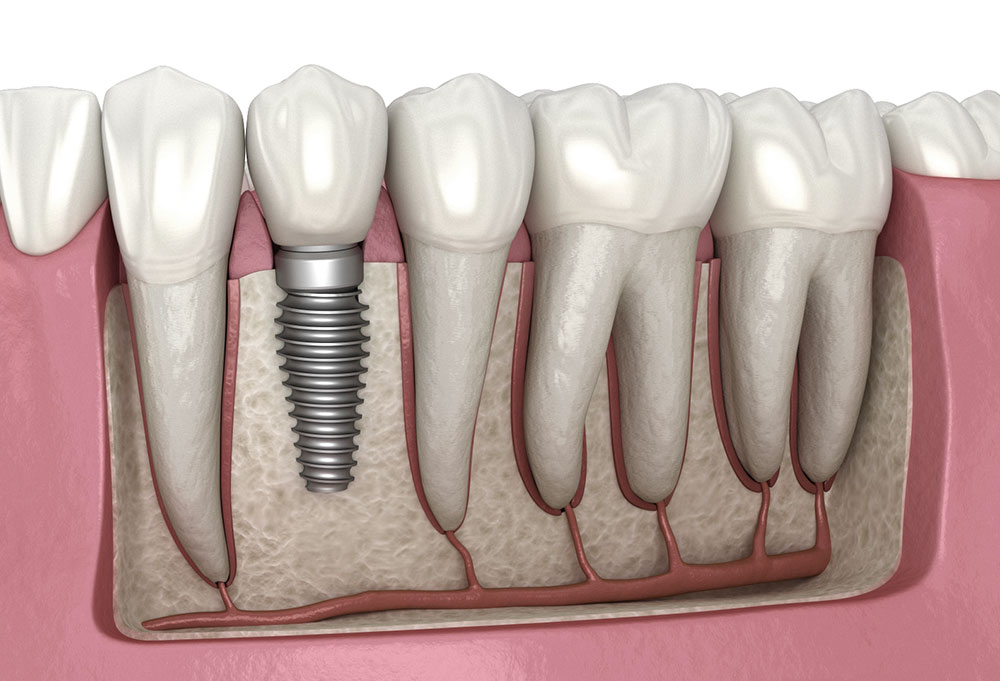
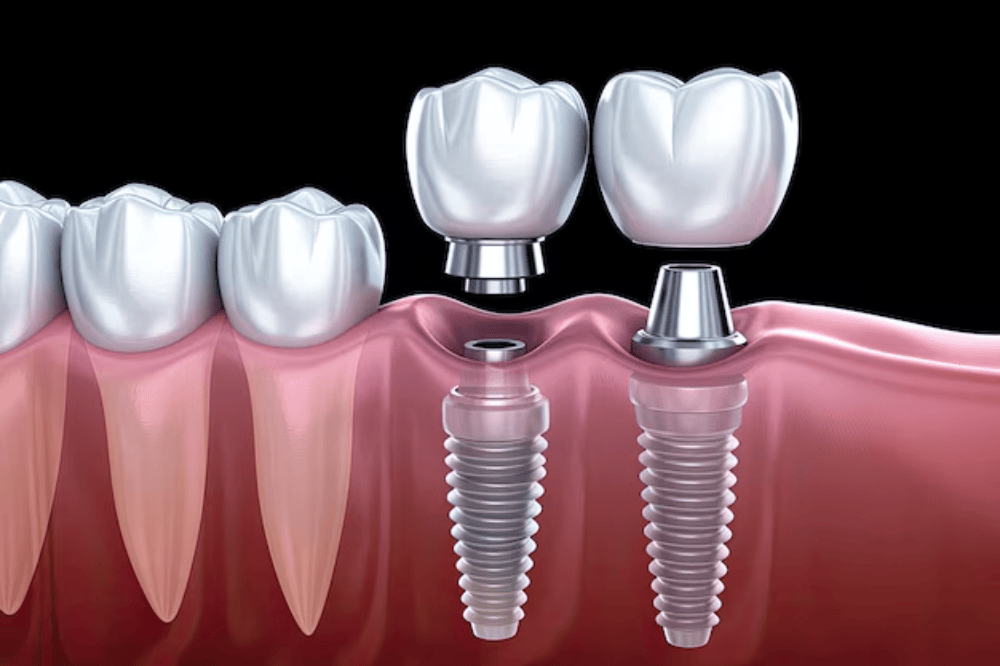
Dental implants are artificial tooth roots, typically made of titanium, that are surgically implanted into the jawbone. They provide a stable foundation for replacement teeth that look, feel, and function like natural teeth. Unlike dentures or bridges, dental implants offer a permanent solution that can last a lifetime with proper care. Dental implants are considered the modern standard because of their longevity, aesthetics, and positive impact on oral health.
Why are dental implants implants a popular solution?
Dental implants popularity is attributed to several factors:
- Durability: With proper care, dental implants can last a lifetime.
- Aesthetics: Implants look and feel like natural teeth, providing a seamless smile.
- Functionality: Implants restore full chewing ability, allowing you to enjoy your favorite foods.
- Oral Health: Implants don’t require altering adjacent teeth, preserving natural tooth structure.
- Bone Health: Implants stimulate bone growth, preventing bone loss associated with missing teeth.
Benefits of Dental Implants Implants: A Superior Tooth Replacement Option
Dental implants implants offer several advantages over traditional tooth replacement options like bridges and dentures. Understanding these benefits is crucial when considering the best solution for your missing teeth. Let’s explore the key benefits that make dental implants implants a superior choice. For many of our patients choosing to visit our Albania Dental Implants clinic, these benefits are often decisive.
Why Choose Implants Over Bridges or Dentures?
Dental implants provide numerous advantages over bridges and dentures, including:
- Longevity: Dental implants can last a lifetime with proper care, while bridges and dentures typically need to be replaced every 5-10 years. According to the American Academy of Implant Dentistry, dental implants have a success rate of over 95%.
- Aesthetics: Dental implants look and feel like natural teeth, providing a seamless and confident smile. Bridges and dentures can sometimes appear artificial or bulky.
- Oral Health: Dental implants don’t require altering adjacent teeth, preserving natural tooth structure. Bridges require grinding down adjacent teeth for support, while dentures can cause bone loss and gum irritation.
- Functionality: Dental implants restore full chewing ability, allowing you to enjoy your favorite foods without discomfort or restriction. Dentures can sometimes slip or make it difficult to eat certain foods.
- Bone Health: Dental implants stimulate bone growth, preventing bone loss associated with missing teeth. Bridges and dentures don’t provide this stimulation, leading to bone resorption over time.
Consider a hypothetical scenario: A patient with a missing molar chooses a bridge. Years later, the supporting teeth develop decay, compromising the bridge and requiring further treatment. With a dental implant, the adjacent teeth remain healthy, and the implant stimulates bone growth, preventing future complications.
Types of Dental Implants and Materials Used
Dental implants come in various types and materials, each with its own advantages and suitability for different situations. Understanding these options is essential for choosing the best implant for your needs. Our specialists at Albania Dental Implants are skilled in using a variety of implant types, including performing immediate loading dental implants in albania to accelerate treatment times.
Endosteal vs Subperiosteal Implants: What’s the Difference?
The two main types of dental implants are:
- Endosteal Implants: These are the most common type, placed directly into the jawbone. They are suitable for patients with sufficient bone density.
- Subperiosteal Implants: These implants are placed under the gum but on top of the jawbone. They are used when patients have insufficient bone density for endosteal implants.
Titanium vs Zirconia Implants: Which Material is Best?
The two main materials used for dental implants are:
- Titanium Implants: Titanium has been the gold standard for dental implants for decades due to its biocompatibility, strength, and long-term success. According to a study published in the Journal of Oral and Maxillofacial Implants, titanium implants have a survival rate of over 95% after 10 years.
- Zirconia Implants: Zirconia is a ceramic material that offers a metal-free alternative for patients with metal allergies or sensitivities. Zirconia implants are aesthetically pleasing and biocompatible but may not be as strong as titanium implants in certain situations.
We also specialize in zirconia implants in albania, catering to patients with specific material preferences or allergies.
The Dental Implant Procedure: Step-by-Step Guide
The dental implant procedure involves several stages, from initial consultation to final restoration. Understanding these steps will help you prepare for the process and know what to expect. From consultation to aftercare, our team will guide you. Our dental clinic in albania follows a rigorous, step-by-step procedure.
Overview of Stages: Consultation, Surgery, Recovery
The dental implant procedure typically involves the following stages:
- Consultation: A thorough examination, including X-rays and scans, to assess your oral health and determine if you are a suitable candidate for dental implants.
- Surgery: The surgical placement of the implant into the jawbone. This is typically performed under local anesthesia, with options for sedation if needed.
- Osseointegration: A healing period of several months, during which the implant fuses with the jawbone.
- Abutment Placement: The attachment of an abutment, which connects the implant to the final restoration.
- Restoration: The placement of a custom-made crown, bridge, or denture onto the abutment, completing the tooth replacement process.
The Importance of Bone Grafting for Implants
In some cases, patients may require a bone graft to ensure sufficient bone density for implant placement. A bone graft involves transplanting bone tissue to the jawbone, providing a solid foundation for the implant. The need for bone grafting is assessed during the initial consultation. We also provide bone grafting in albania if needed, ensuring a stable foundation for your implants.
Cost of Dental Implants Implants in the UK
The cost of dental implants implants in the UK can vary depending on several factors, including the type of implant, the number of implants needed, and the location of the clinic. Understanding these costs is crucial for budgeting and making an informed decision. For UK patients looking for alternatives, our affordable cost of dental implants in albania present a valuable option.
Average Costs for Single, Multiple, or Full-Mouth Implants
The average costs for dental implants in the UK are:
- Single Implant: £2,000 – £4,000
- Multiple Implants: £4,000 – £10,000 (depending on the number of implants)
- Full-Mouth Implants: £10,000 – £30,000 (depending on the type of restoration)
These are estimated ranges, and the actual cost may vary. According to the Oral Health Foundation, the cost of dental implants can be a significant investment, but the long-term benefits often outweigh the initial expense.
Factors Influencing Price
Several factors can influence the price of dental implants, including:
- Type of Implant: Different types of implants have varying costs.
- Number of Implants: The more implants needed, the higher the overall cost.
- Bone Grafting: If bone grafting is required, it will add to the overall cost.
- Location of Clinic: Prices can vary depending on the location of the dental clinic.
- Dentist’s Experience: More experienced dentists may charge higher fees.
- Materials Used: The type of materials used for the implant and restoration can affect the cost.
We also offer transparent pricing for our services, including cost of dental implants in albania, providing a more affordable option without compromising quality.
Risks, Complications, and Contraindications of Dental Implants
While dental implants are generally safe and effective, it’s important to be aware of the potential risks, complications, and contraindications associated with the procedure. Understanding these factors will help you make an informed decision and minimize potential problems. We also explore the question: what is the downside to dental implants?
Common Risks and How to Address Them
Some common risks associated with dental implants include:
- Infection: Infection at the implant site can occur, but it can usually be treated with antibiotics.
- Nerve Damage: Nerve damage can cause numbness or tingling in the gums, lips, or chin. This is rare and usually temporary.
- Sinus Problems: Implants in the upper jaw can sometimes protrude into the sinus cavity, causing sinus problems.
- Implant Failure: In rare cases, the implant may not fuse properly with the jawbone, leading to implant failure.
These risks can be minimized by choosing an experienced dentist and following proper aftercare instructions. According to a study published in the International Journal of Oral & Maxillofacial Implants, the risk of complications is relatively low when dental implants are performed by qualified professionals.
Who May Not Be Suitable for Implants?
Certain medical conditions and lifestyle factors can make individuals unsuitable candidates for dental implants. These include:
- Uncontrolled Diabetes: Diabetes can impair healing and increase the risk of infection.
- Smoking: Smoking can impair healing and increase the risk of implant failure.
- Severe Bone Loss: Insufficient bone density can make it difficult to place implants.
- Certain Medical Conditions: Certain medical conditions, such as autoimmune diseases, can affect implant success.
A thorough medical evaluation is essential to determine if you are a suitable candidate for dental implants. We also explore the question: who should not get dental implants?
Aftercare and Maintenance for Long-Lasting Implants
Proper aftercare and maintenance are crucial for ensuring the longevity and success of your dental implants. Following these guidelines will help you keep your implants healthy and functioning properly for years to come. We are often asked, how long do dental implants last?
Hygiene Routines: Brushing, Flossing, and More
Maintaining good oral hygiene is essential for preventing infection and maintaining the health of your implants. This includes:
- Brushing: Brush your teeth at least twice a day with a soft-bristled toothbrush and fluoride toothpaste.
- Flossing: Floss daily to remove plaque and debris from around the implants.
- Interdental Brushes: Use interdental brushes to clean hard-to-reach areas around the implants.
- Mouthwash: Use an antibacterial mouthwash to help kill bacteria and prevent infection.
Long-Term Follow-Up and Implant Maintenance
Regular dental check-ups and professional cleanings are essential for monitoring the health of your implants and preventing problems. Your dentist will assess the implants, check for any signs of infection or bone loss, and provide professional cleaning to remove plaque and tartar. We provide comprehensive general dentistry in albania services to ensure the long-term health of your implants.
Frequently Asked Questions About Dental Implants Implants
Many patients have questions about dental implants implants, including the procedure, costs, and outcomes. Addressing these concerns is essential for making an informed decision. Let’s answer some of the most frequently asked questions about dental implants implants. If you are considering traveling from the UK, we also explore the question what is the cheapest country to get dental implants?
Are dental implants painful?
Most patients report minimal discomfort during the dental implant procedure, which is typically performed under local anesthesia. Post-operative pain is usually mild and can be managed with over-the-counter pain relievers. We also address the question: how painful are dental implants?
How long do dental implants last?
With proper care and maintenance, dental implants can last a lifetime. Regular dental check-ups and good oral hygiene are essential for ensuring the longevity of your implants. Our Albania Dental Implants clinic provides follow up and maintenance.
How long does the dental implant process take from start to finish?
The dental implant process can take several months, depending on individual circumstances. The healing period after implant placement typically lasts 3-6 months, during which osseointegration occurs.
Can anyone get dental implants?
While dental implants are a suitable option for many, certain medical conditions and lifestyle factors can affect eligibility. A thorough medical evaluation is essential to determine if you are a suitable candidate.
How to Choose the Best Dental Implant Clinic in the UK
Choosing the right dental implant clinic is crucial for ensuring a successful outcome. Consider these criteria when selecting a provider. We also address the question: how to afford dental implants in the UK?
Criteria for Selecting Trustworthy Providers
When choosing a dental implant clinic, consider the following criteria:
- Experience and Expertise: Choose a dentist with extensive experience and expertise in dental implants.
- Technology and Equipment: Look for a clinic that utilizes advanced technology and equipment, such as 3D imaging and CAD/CAM technology.
- Reputation and Reviews: Check online reviews and testimonials to gauge the clinic’s reputation and patient satisfaction.
- Consultation and Treatment Planning: Ensure the clinic provides a thorough consultation and personalized treatment plan.
- Cost and Financing Options: Understand the costs involved and inquire about financing options.
We invite you to read our Albania Dental Implants reviews and see why patients trust us with their smiles.
Dental Tourism in Albania: A Cost-Effective Alternative
For UK residents seeking affordable dental implants, consider dental tourism in Albania with Albania Dental Implants. Our clinic offers high-quality dental implants at significantly lower costs than in the UK, without compromising on quality or safety. We also offer comprehensive dental tourism in albania packages, including accommodation and transportation.
Conclusion
Dental implants implants offer a permanent and natural-looking solution for missing teeth, providing numerous benefits over traditional tooth replacement options. Understanding the procedure, costs, and patient considerations is crucial for making an informed decision. Whether you choose a clinic in the UK or consider dental tourism in Albania, selecting a trustworthy provider and following proper aftercare instructions are essential for ensuring a successful outcome. Contact contact albania dental implants today to schedule a consultation and discover how dental implants implants can transform your smile and improve your quality of life.





