



Dentist Implants – Comprehensive Guide to Dental Implants
Dentist implants are one of the most effective and permanent solutions for missing teeth, offering a blend of functionality and aesthetics. This comprehensive guide will provide you with a detailed understanding of dental implants, covering everything from the procedure itself to the various types available, benefits, costs, and how to choose the right implant dentist. Whether you’re exploring options for a single missing tooth or a full mouth reconstruction, this guide will equip you with the knowledge to make informed decisions.
What are Dentist Implants?
Dental implants are artificial tooth roots, typically made of titanium or zirconia, that are surgically placed into the jawbone to support a replacement tooth or set of teeth. They provide a stable and long-lasting foundation, mimicking the function and appearance of natural teeth. The field of implant dentistry has seen remarkable advancements over the years.
Brief History and Innovations in Implant Dentistry
The concept of tooth replacement dates back centuries, but modern implant dentistry began in the mid-20th century with the discovery of osseointegration – the process by which bone fuses directly to titanium. This breakthrough, pioneered by Swedish orthopedic surgeon Per-Ingvar Brånemark, revolutionized the field and paved the way for the reliable dental implants we know today.
Today’s innovations include improved implant materials (such as zirconia implants in albania), guided surgery techniques using 3D imaging, and immediate loading protocols that allow patients to receive functional teeth in a single appointment. These advancements have made dental implants more predictable, efficient, and comfortable for patients. At Albania Dental Implants, we use state-of-the-art technology to make dental implants more affordable.
How Do Dentist Implants Work?
The success of dentist implants lies in their ability to integrate with the jawbone, providing a stable and durable foundation for replacement teeth. Understanding the science and structure behind dental implants is key to appreciating their effectiveness.
Basic Science and Structure of Dental Implants
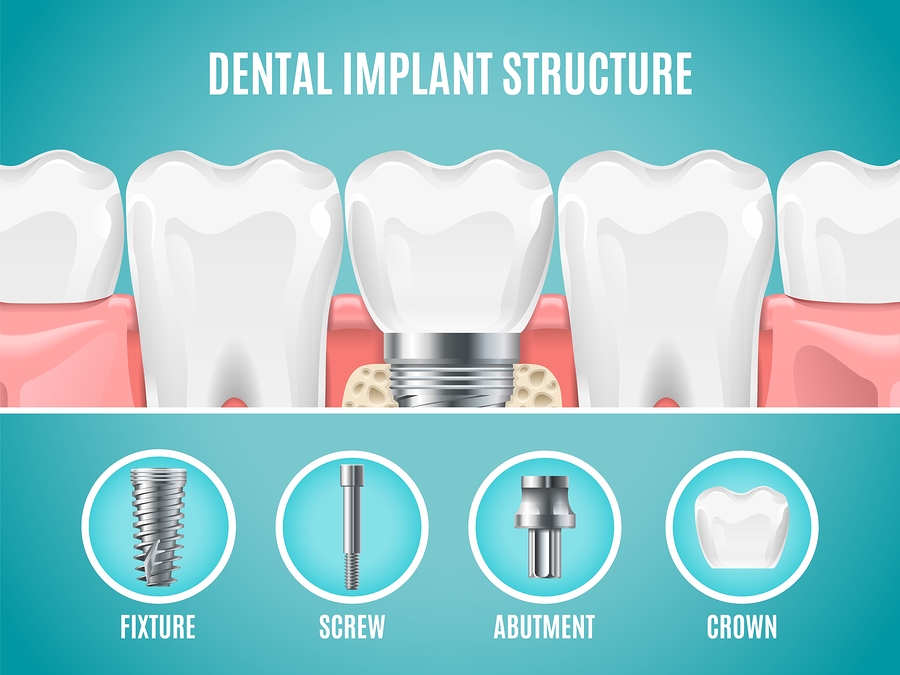
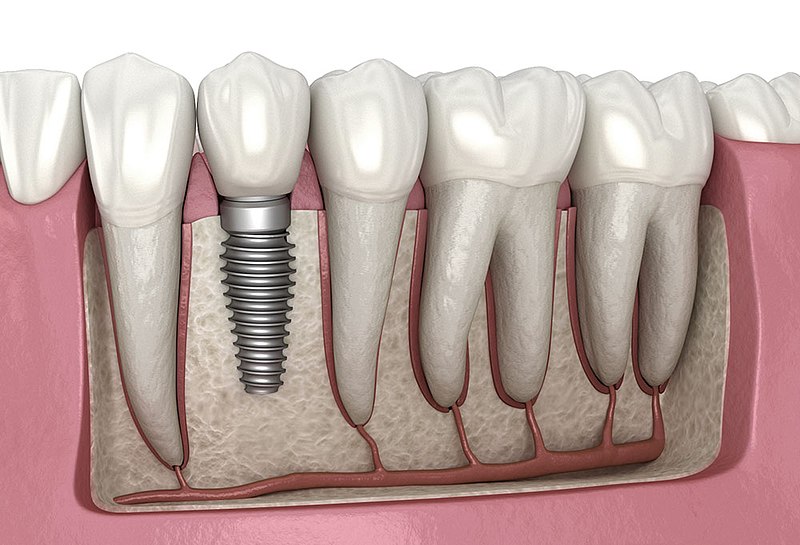
A dental implant consists of three main components:
- Implant Post: This is the titanium or zirconia screw that is surgically placed into the jawbone, acting as the artificial tooth root.
- Abutment: This is a connector piece that attaches to the implant post and serves as a base for the crown.
- Crown: This is the artificial tooth that is custom-made to match the shape, size, and color of your natural teeth. It attaches to the abutment, providing a functional and aesthetic replacement.
Osseointegration is the critical process that allows the implant post to fuse with the jawbone, creating a strong and stable foundation. Titanium’s biocompatibility promotes bone growth around the implant, effectively anchoring it in place.
Materials Used in Dental Implants
Titanium is the most commonly used material for dental implants due to its biocompatibility, strength, and resistance to corrosion. Zirconia is a ceramic material that offers excellent aesthetics and is a suitable option for patients with metal sensitivities. At our dental clinic in albania , we ensure our patients are treated with the best quality.
Stages of the Dental Implant Procedure
The dental implant procedure typically involves several stages:
- Consultation and Assessment: A thorough examination, including X-rays and CT scans, to assess your bone density and determine the best implant placement.
- Implant Placement: Surgical placement of the implant post into the jawbone. This is often performed under local anesthesia.
- Healing and Osseointegration: A period of 3-6 months to allow the implant to fuse with the bone.
- Abutment Placement: Attachment of the abutment to the implant post.
- Crown Fitting: Custom-made crown is attached to the abutment, completing the tooth replacement.
Types of Dental Implants Available
Different types of dental implants are available to suit various needs and anatomical considerations. Understanding these options is crucial for choosing the best solution for your specific situation.
Endosteal vs. Subperiosteal Implants
Endosteal implants are the most common type, placed directly into the jawbone. They are suitable for patients with sufficient bone density. Subperiosteal implants, on the other hand, are placed on top of the jawbone but under the gum tissue. This type is used when patients have insufficient bone density for endosteal implants. While less common today due to advancements in bone grafting techniques, subperiosteal implants can still be a viable option in certain cases.
Mini Implants and When They Are Used
Mini implants are smaller in diameter than traditional implants and are often used to stabilize dentures or in situations where space is limited. They are less invasive and can be a cost-effective alternative for certain patients. However, mini implants may not be suitable for supporting individual crowns or bridges due to their reduced size and load-bearing capacity. Learn more on what is a mini dental implant.
All-on-4 Concept for Full Arch Restoration
The All-on-4 concept involves placing four dental implants in the jaw to support a full arch of replacement teeth. This innovative technique is particularly useful for patients who have lost most or all of their teeth, providing a stable, functional, and aesthetic solution. The All-on-4 technique often eliminates the need for bone grafting, reducing treatment time and cost. If you are considering all on 4 dental implants in albania then get in touch.
Single Tooth vs. Multiple Teeth vs. Full Mouth
Dental implants can be used to replace a single missing tooth, multiple teeth, or an entire arch of teeth. Single tooth implants involve placing one implant post to support a single crown. Multiple teeth implants can involve individual implants for each missing tooth or using a bridge supported by two or more implants. Full mouth implants, such as the All-on-4 technique, provide a comprehensive solution for patients who have lost all or most of their teeth.
Benefits of Dentist Implants
Dentist implants offer numerous advantages over traditional tooth replacement options like dentures and bridges. From improved aesthetics to long-term oral health benefits, dental implants provide a comprehensive solution for missing teeth.
Improved Aesthetics and Function
Dental implants look, feel, and function like natural teeth, providing a seamless and confident smile. They restore the ability to chew, speak, and laugh comfortably, improving overall quality of life. Unlike dentures, which can slip or move, dental implants are securely anchored in the jawbone, providing a stable and reliable foundation for replacement teeth.
Bone Preservation and Durability
Dental implants stimulate bone growth in the jaw, preventing bone loss that can occur after tooth extraction. This helps maintain facial structure and prevents the sunken-in appearance often associated with missing teeth. With proper care, dental implants can last a lifetime, making them a durable and cost-effective long-term solution.
Comparison with Bridges and Dentures
Compared to bridges, dental implants do not require altering adjacent healthy teeth for support, preserving natural tooth structure. Compared to dentures, dental implants offer superior stability, comfort, and function, eliminating the need for adhesives and preventing bone loss. While bridges and dentures are less expensive upfront, dental implants often prove to be a better long-term investment due to their durability and oral health benefits. More about is a dental bridge better than an implant here.
Who is a Suitable Candidate for Dental Implants?
While dental implants are a versatile solution, not everyone is an ideal candidate. Certain factors can affect the success of implant treatment, making it essential to assess individual eligibility.
Age, Bone Health, General Health
There is no strict upper age limit for dental implants, but good general health is essential. Adequate bone density in the jaw is crucial for supporting the implant, and conditions like uncontrolled diabetes or heavy smoking can compromise healing and osseointegration. Younger patients may need to wait until their jawbone has fully developed before considering dental implants. More information can be found on who should not get dental implants.
Consultation and Assessment Process
A comprehensive consultation and assessment are necessary to determine your suitability for dental implants. This typically includes a thorough examination of your teeth and gums, X-rays and CT scans to evaluate bone density, and a review of your medical history. Your dentist will discuss your goals and expectations, explain the implant procedure, and answer any questions you may have.
Dentist Implants Procedure Step-by-Step
Understanding the steps involved in the dentist implants procedure can help alleviate anxiety and prepare you for a smooth and successful treatment.
Examination and Planning
The first step is a comprehensive examination of your oral health, including X-rays and CT scans to assess bone density and identify any potential issues. Your dentist will create a personalized treatment plan based on your specific needs and anatomical considerations. This stage may also involve taking impressions of your teeth to create a custom-made crown.
Surgical Placement
The surgical placement of the implant post is typically performed under local anesthesia, although sedation options are available for anxious patients. Your dentist will make a small incision in the gum tissue to expose the jawbone and then carefully insert the implant post. In some cases, a bone graft may be necessary to augment bone density before or during implant placement. See bone grafting in albania for more information.
Healing and Osseointegration
After implant placement, a healing period of 3-6 months is required to allow osseointegration to occur. During this time, the implant post fuses with the jawbone, creating a strong and stable foundation. Temporary crowns or dentures can be used to maintain aesthetics and function during the healing period.
Abutment and Crown Fitting
Once osseointegration is complete, the abutment is attached to the implant post. An impression is taken to create a custom-made crown that matches the shape, size, and color of your natural teeth. The crown is then attached to the abutment, completing the tooth replacement.
Recovery Process and Aftercare Tips
After the dental implant procedure, some discomfort is normal, but this can typically be managed with over-the-counter pain medication. Your dentist will provide specific aftercare instructions, including dietary recommendations, oral hygiene tips, and follow-up appointments. Proper oral hygiene, including brushing, flossing, and regular dental check-ups, is essential for maintaining the long-term health and success of your dental implants.
Costs of Dentist Implants in the UK
The cost of dentist implants in the UK can vary depending on several factors, including the type of implant, the complexity of the procedure, and the location of the clinic. Understanding the cost breakdown and available financing options can help you make an informed decision.
Breakdown of Costs
The total cost of a dental implant typically includes the following:
- Consultation and Assessment Fees
- Surgical Placement of the Implant Post
- Abutment Placement
- Custom-Made Crown
- Additional procedures (e.g., bone grafting, sinus lift)
As the popularity of dental tourism in albania grows, this option can provide excellent savings.
Insurance and Financing Options
Dental insurance may cover a portion of the cost of dental implants, but coverage varies widely depending on the plan. Many dental clinics offer financing options to help patients manage the cost of treatment. These may include payment plans, dental loans, or third-party financing companies.
Private vs. NHS Availability
Dental implants are rarely available on the NHS, except in cases of medical necessity, such as trauma or congenital defects. Most dental implant procedures are performed in private dental clinics, where costs can vary significantly. Prices in Albania Dental Implants Services are much lower than private dental clinics in the UK.
Risks, Complications, and Longevity of Dental Implants
While dental implants are generally safe and effective, it’s important to be aware of potential risks and complications. Understanding the factors that affect implant longevity can help you make informed decisions and take steps to ensure long-term success.
Possible Risks and How to Minimize Them
Potential risks of dental implants include infection, nerve damage, sinus problems, and implant failure. These risks can be minimized by choosing an experienced and qualified implant dentist, following proper aftercare instructions, and maintaining good oral hygiene.
Implant Failure Rates and Causes
Dental implant failure rates are generally low, but factors such as poor bone density, smoking, uncontrolled diabetes, and poor oral hygiene can increase the risk. Early detection and treatment of any complications can help prevent implant failure.
How Long Do Implants Last?
With proper care, dental implants can last a lifetime. Studies show that dental implants have a high success rate, with many implants lasting for 20 years or more. Regular dental check-ups and good oral hygiene are essential for maintaining the long-term health and success of your dental implants. Learn more about how long do dental implants last.
Maintenance and Care
Maintaining dental implants involves regular brushing, flossing, and dental check-ups, just like natural teeth. Special interdental brushes or floss threaders may be recommended to clean around the implant and prevent gum disease. Avoiding smoking and maintaining good overall health are also essential for long-term implant success.
How to Choose the Right Implant Dentist
Choosing the right implant dentist is crucial for ensuring a successful and satisfying outcome. Look for qualifications, experience, and a commitment to patient care.
Qualifications and Training to Look For
Look for a dentist with specialized training and certification in implant dentistry. Experience is key, as implant placement requires precision and skill. Ask about the dentist’s experience with different types of implants and their success rates.
Questions to Ask at Consultation
At your consultation, ask about the dentist’s training and experience, the type of implants they use, the success rates they have, and what aftercare support they offer. Also, ask about the potential risks and complications and how they are managed.
Searching for Reputable, Local Professionals
Check online reviews and testimonials to get an idea of the dentist’s reputation and patient satisfaction. Ask for referrals from friends, family, or your general dentist. A reputable implant dentist will be transparent about their qualifications, experience, and fees and will prioritize your comfort and care.
Alternatives to Dentist Implants
While dental implants are an excellent option for many, alternatives exist. Understanding these options can help you make an informed decision based on your needs and preferences.
Overview of Other Options for Missing Teeth
Other options for replacing missing teeth include dentures, dental bridges, and resin-bonded bridges (Maryland bridges). Dentures are removable appliances that replace an entire arch of teeth or several missing teeth. Bridges involve anchoring a false tooth to adjacent natural teeth.
When Might Dentures or Bridges Be a Better Choice?
Dentures or bridges may be a better choice for patients who are not suitable candidates for dental implants due to health reasons or insufficient bone density. They may also be a more affordable option for some patients. However, dentures and bridges do not offer the same stability, durability, and oral health benefits as dental implants.
Frequently Asked Questions About Dentist Implants
Here are some frequently asked questions about dentist implants to help you understand the procedure and its benefits.
What are dentist implants?
Dentist implants are artificial tooth roots, usually made of titanium or zirconia, that are surgically placed into the jawbone to support a replacement tooth or set of teeth. They provide a stable and long-lasting foundation that mimics the function and appearance of natural teeth.
Are dental implants painful?
The dental implant procedure is typically performed under local anesthesia, so you should not feel any pain during the surgery. Some discomfort is normal after the procedure, but this can usually be managed with over-the-counter pain medication.
How long does a dentist implant procedure take?
The length of the dental implant procedure depends on the number of implants being placed and whether any additional procedures, such as bone grafting, are required. In general, the surgical placement of a single implant takes about 1-2 hours. The entire process, from consultation to final crown placement, can take several months.
What is the success rate of dental implants?
Dental implants have a high success rate, with many implants lasting for 20 years or more. Factors that can affect the success rate include good general health, adequate bone density, and proper oral hygiene. With albania dental implants reviews the results are excellent.
How do I care for my dental implants?
Caring for dental implants involves regular brushing, flossing, and dental check-ups, just like natural teeth. Special interdental brushes or floss threaders may be recommended to clean around the implant and prevent gum disease. Avoiding smoking and maintaining good overall health are also essential for long-term implant success.
Are dentist implants safe for everyone?
While dental implants are generally safe and effective, not everyone is a suitable candidate. Certain factors, such as uncontrolled diabetes, heavy smoking, and inadequate bone density, can increase the risk of complications. A comprehensive consultation and assessment are necessary to determine your eligibility for dental implants.
Can I get dental implants on the NHS?
Dental implants are rarely available on the NHS, except in cases of medical necessity, such as trauma or congenital defects. Most dental implant procedures are performed in private dental clinics. However, you may wish to read can nhs pay for my dental implants.
How soon can I eat normally after implants?
After dental implant placement, it’s important to follow your dentist’s dietary recommendations. In general, you should eat soft foods for the first few days and gradually introduce more solid foods as you heal. Avoid chewing on the implant site until it has fully healed.
Do dental implants look natural?
Yes, dental implants are designed to look, feel, and function like natural teeth. The custom-made crown is created to match the shape, size, and color of your natural teeth, providing a seamless and confident smile.
How much do dental implants cost in the UK?
The cost of dental implants in the UK can vary depending on several factors, including the type of implant, the complexity of the procedure, and the location of the clinic. In general, a single dental implant can cost between £2,000 and £4,000. Full mouth implants can cost upwards of £10,000 or more.
Conclusion
Dentist implants offer a transformative solution for missing teeth, providing a blend of aesthetics, function, and long-term oral health benefits. While the procedure involves a significant investment of time and money, the results can be life-changing, restoring your smile, confidence, and ability to enjoy life to the fullest.
If you’re considering dentist implants, we encourage you to schedule a consultation with a qualified and experienced implant dentist. They can assess your individual needs, discuss your options, and create a personalized treatment plan to help you achieve a healthy, beautiful smile. Contact Albania Dental Implants today to explore your options and take the first step towards a confident, radiant you.





