



Implant Dental – A Comprehensive Guide to Modern Tooth Replacement
The term “implant dental” refers to a modern, long-lasting solution for replacing missing teeth with artificial roots and crowns that closely mimic natural teeth. If you’re considering a permanent solution for missing teeth, this guide, brought to you by Albania Dental Implants, will provide comprehensive information about this transformative procedure, helping you make an informed decision.
Introduction – What Is Implant Dental?
(Dental implants procedure, implant dentist)
Dental implants have revolutionized restorative dentistry, offering a durable and natural-looking solution for missing teeth. Unlike traditional dentures or bridges, implants provide a stable foundation that closely resembles the structure and function of natural teeth. At Albania Dental Implants, we specialize in providing high-quality and affordable dental implant solutions.
Definition of Dental Implants & Overview
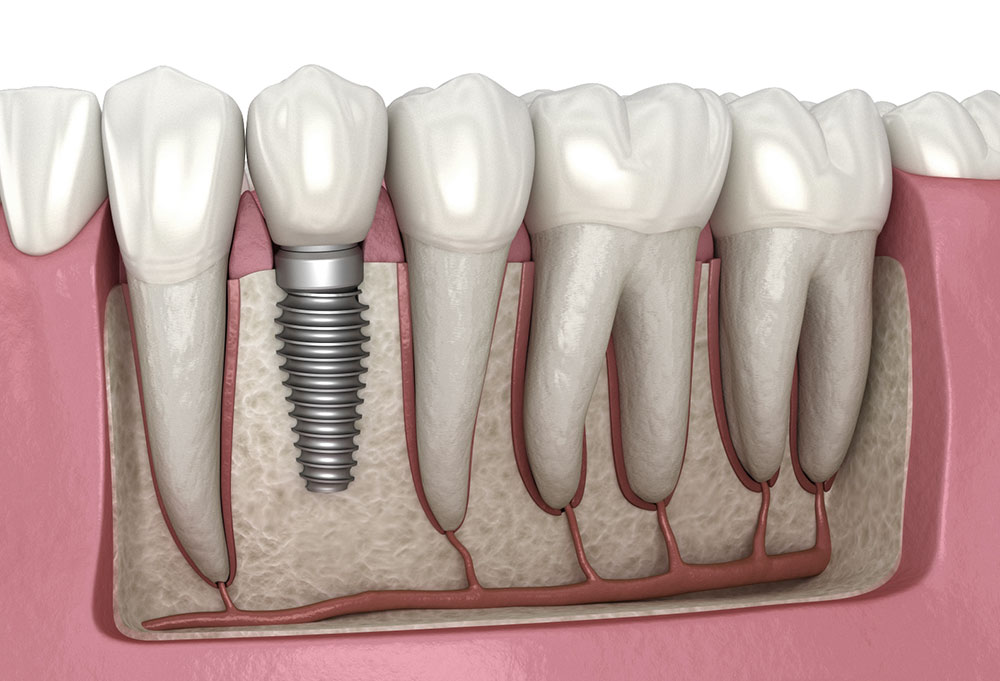
A dental implant is essentially an artificial tooth root, typically made of biocompatible titanium, that is surgically placed into the jawbone. This implant serves as an anchor for a replacement tooth, which can be a crown (for a single missing tooth), a bridge (for multiple missing teeth), or a denture (for a full arch of missing teeth). The process involves several stages, from initial consultation and implant placement to the final restoration, ensuring a secure and long-lasting result.
Who Might Need Dental Implants?
Dental implants are suitable for individuals who have lost one or more teeth due to various reasons, such as:
- Tooth decay
- Gum disease
- Injury or trauma
- Congenital defects
Ideal candidates for dental implants have sufficient bone density in the jaw to support the implant. However, even if bone loss has occurred, procedures like bone grafting can help to improve the chances of successful implant placement.
Key Benefits vs. Other Tooth Replacement Options
Dental implants offer several advantages over other tooth replacement options, including dentures and bridges:
- Durability: Implants are designed to last a lifetime with proper care.
- Stability: Implants are anchored in the jawbone, providing a secure and stable base for replacement teeth.
- Natural Look and Feel: Implants closely resemble natural teeth in both appearance and function.
- Improved Oral Health: Implants do not require altering adjacent teeth (as with bridges), promoting better long-term oral health.
- Enhanced Confidence: Implants can significantly improve self-esteem and confidence by restoring a complete and natural-looking smile.
How Do Dental Implants Work?
(Dental implant surgery, dental implants procedure)
Understanding how dental implants work involves looking at their structure and the step-by-step surgical process. At dental clinic in albania , we use cutting-edge techniques to make sure every patient benefits from successful and seamless implant treatments.
Structure and Components (Implant Post, Abutment, Crown)
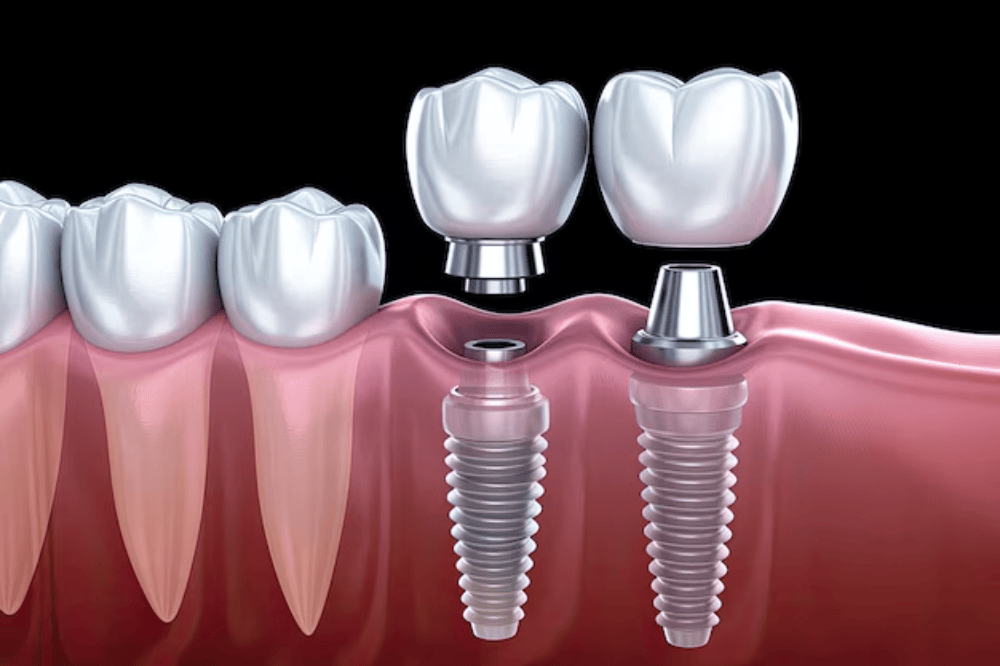
A dental implant consists of three main components:
- Implant Post: A titanium screw that is surgically implanted into the jawbone, serving as the artificial tooth root.
- Abutment: A connector that attaches to the implant post, providing a base for the crown.
- Crown: The artificial tooth that is custom-made to match the shape, size, and color of your natural teeth.
The implant post fuses with the jawbone through a process called osseointegration, creating a strong and stable foundation for the replacement tooth. The abutment then connects the implant post to the crown, ensuring a seamless and functional restoration.
Step-by-Step Outline of the Typical Procedure
The dental implant procedure typically involves the following steps:
- Initial Consultation: A comprehensive evaluation, including X-rays and scans, to assess your oral health and determine if you are a suitable candidate for dental implants.
- Implant Placement: The surgical placement of the implant post into the jawbone. This is usually done under local anesthesia, but sedation options are also available.
- Healing Period (Osseointegration): A period of several months to allow the implant post to fuse with the jawbone.
- Abutment Placement: Once osseointegration is complete, the abutment is attached to the implant post.
- Crown Placement: The custom-made crown is attached to the abutment, completing the restoration and restoring your smile.
What to Expect During Surgery
During the dental implant surgery, you can expect the following:
- The area will be numbed using local anesthesia to ensure you don’t feel any pain.
- A small incision will be made in the gum tissue to expose the jawbone.
- A pilot hole will be drilled into the bone, followed by the placement of the implant post.
- The gum tissue will be stitched back into place, and a protective cover screw may be placed on the implant post.
Post-operative discomfort is typically managed with over-the-counter pain relievers. Most patients can return to their normal activities within a day or two after the surgery. For patients anxious about dental procedures, ask about being put to sleep for dental implants.
Types of Dental Implants
(Types of dental implants, single tooth implant, full mouth dental implants)
There are different types of dental implants available to suit various needs and situations. Understanding these options can help you make an informed decision in consultation with your dentist.
Endosteal vs. Subperiosteal Implants
- Endosteal Implants: These are the most common type of dental implants. They are placed “in the bone” (endo- means within, osteal means bone). Endosteal implants are suitable for most patients who have a healthy jawbone.
- Subperiosteal Implants: These implants are placed “on the bone” but under the gum tissue. They consist of a metal framework that rests on the jawbone. Subperiosteal implants are used less frequently and are typically reserved for patients who have insufficient bone height for endosteal implants and are not candidates for bone grafting.
All-on-4 and Full Arch Options
For individuals missing all or most of their teeth in one or both jaws, All-on-4 and full arch options offer a comprehensive solution. At all on 4 dental implants in albania services, we transform smiles by restoring confidence.
- All-on-4: This technique involves placing four dental implants in each arch (upper or lower) to support a full set of replacement teeth. The implants are strategically positioned to maximize support and stability, often eliminating the need for bone grafting.
- Full Arch Implants: Similar to All-on-4, full arch implants involve placing multiple implants (typically 6-8) to support a complete set of replacement teeth. This option may be recommended for patients who require additional support due to bone density or other factors.
Choosing the Right Type for Your Needs
Selecting the right type of dental implant depends on several factors, including:
- The number of missing teeth
- The location of the missing teeth
- Bone density in the jaw
- Overall oral health
- Budget
During your initial consultation, our experienced dental team will carefully evaluate your needs and recommend the most suitable implant option for you. We also offer zirconia implants in albania
Dental Implant Cost & Financing
(Dental implant cost, insurance for dental implants)
Understanding the cost of dental implants and exploring financing options is a crucial step in the decision-making process. The cost of dental implants can vary depending on several factors, including the type of implant, the number of implants needed, and the complexity of the procedure.
Typical Cost Ranges in the UK
The cost of a single dental implant in the UK typically ranges from £2,000 to £4,000. Full mouth dental implants, such as All-on-4, can range from £7,000 to £25,000 per arch. These costs are estimates and can vary depending on the clinic, materials used, and any additional procedures required, such as bone grafting or sinus lifts.
Factors Influencing Price (Materials, Number of Implants, Complexity)
Several factors can influence the overall cost of dental implants:
- Materials: The type of materials used for the implant post, abutment, and crown can affect the price. Titanium and zirconia are common materials known for their biocompatibility and durability.
- Number of Implants: The more implants needed, the higher the overall cost. Single tooth implants will be less expensive than full mouth implants.
- Complexity: Complex cases that require additional procedures, such as bone grafting or sinus lifts, will typically incur higher costs.
- Location and Expertise: The location of the dental clinic and the expertise of the implant dentist can also influence the price.
Payment Plans and Insurance Coverage
Many dental clinics offer payment plans to help make dental implants more affordable. These plans may involve:
- Monthly installments
- Interest-free financing
- Third-party financing options
Regarding insurance coverage, most NHS dental plans do not cover dental implants as they are considered a cosmetic procedure. However, some private dental insurance plans may cover a portion of the cost, particularly if the implants are deemed medically necessary. It’s important to check with your insurance provider to understand your coverage options. Many wonder how do you pay for dental implants UK.
Dental Implant Recovery and Aftercare
(Dental implant recovery, dental implant aftercare)
Proper recovery and aftercare are essential for the long-term success of dental implants. Understanding the healing process and following recommended aftercare tips can help prevent complications and ensure the longevity of your implants.
Healing Process and Expected Timeline
The healing process after dental implant surgery typically involves the following stages:
- Initial Healing (1-2 weeks): During this time, the gum tissue will heal around the implant post. You may experience some swelling, bruising, and discomfort, which can be managed with pain relievers.
- Osseointegration (3-6 months): This is the critical phase where the implant post fuses with the jawbone. It’s important to avoid putting excessive pressure on the implant during this period.
- Final Restoration (1-2 months): Once osseointegration is complete, the abutment and crown are placed, completing the restoration.
Aftercare Tips for Long-Term Success
To ensure the long-term success of your dental implants, follow these aftercare tips:
- Maintain Excellent Oral Hygiene: Brush your teeth twice a day and floss daily to remove plaque and bacteria.
- Use an Interdental Brush: Clean around the implant with an interdental brush to remove debris from hard-to-reach areas.
- Avoid Smoking: Smoking can impair the healing process and increase the risk of implant failure.
- Limit Hard and Sticky Foods: Avoid chewing on hard or sticky foods that can damage the crown or put excessive pressure on the implant.
- Schedule Regular Dental Check-ups: Visit your dentist for regular check-ups and cleanings to monitor the health of your implants and surrounding tissues.
Potential Complications and How to Avoid Them
While dental implants have a high success rate, potential complications can occur:
- Infection: Infections can develop around the implant site if proper oral hygiene is not maintained.
- Implant Failure: In rare cases, the implant may not fuse properly with the jawbone, leading to implant failure.
- Nerve Damage: Nerve damage can occur during implant placement, resulting in numbness or tingling in the lips, chin, or tongue.
- Sinus Problems: Upper implants can sometimes protrude into the sinus cavity, causing sinus problems.
To avoid these complications, follow your dentist’s aftercare instructions carefully, maintain excellent oral hygiene, and attend regular check-ups. Many patients are concerned about what could be what does no one tell you about dental implants, so having open communication with your dentist is very important.
Are Dental Implants Safe & Successful?
(Success rates of dental implants)
Dental implants have a high success rate and are considered a safe and effective tooth replacement option. Understanding the reported success rates, risks, and how to improve outcomes can help you make an informed decision.
Reported Success Rates and Longevity
Dental implants have a reported success rate of 90-95% over a 10-year period. With proper care and maintenance, dental implants can last a lifetime, making them a long-term solution for missing teeth. Many ask, how long do dental implants last
Risks and Possible Complications
While dental implants are generally safe, some risks and complications can occur:
- Infection: Infections can develop around the implant site, particularly if proper oral hygiene is not maintained.
- Implant Failure: In rare cases, the implant may not fuse properly with the jawbone, leading to implant failure.
- Nerve Damage: Nerve damage can occur during implant placement, resulting in numbness or tingling in the lips, chin, or tongue.
- Sinus Problems: Upper implants can sometimes protrude into the sinus cavity, causing sinus problems.
- Peri-implantitis: Inflammation of the soft and hard tissues around the implant.
How to Improve Outcomes
To improve the outcomes of dental implant surgery:
- Choose an Experienced Implant Dentist: Selecting a skilled and experienced implant dentist can minimize the risk of complications.
- Follow Aftercare Instructions Carefully: Adhering to your dentist’s post-operative instructions is essential for proper healing and implant success.
- Maintain Excellent Oral Hygiene: Regular brushing, flossing, and dental check-ups are crucial for long-term implant health.
- Avoid Smoking: Smoking can impair the healing process and increase the risk of implant failure.
- Address Underlying Health Conditions: Managing conditions like diabetes can improve implant outcomes.
Alternatives to Dental Implants
(Alternatives to dental implants, dentures, dental bridges)
While dental implants are an excellent tooth replacement option, they may not be suitable for everyone. Alternatives like dentures and dental bridges offer different advantages and disadvantages, making them suitable for various patient profiles.
Comparison: Implants vs. Dentures vs. Bridges
- Dental Implants:
- Pros: Long-lasting, stable, natural-looking, improved oral health.
- Cons: Higher cost, surgical procedure, longer treatment time.
- Dentures:
- Pros: Lower cost, non-surgical, quick treatment time.
- Cons: Less stable, can affect speech and taste, requires regular maintenance.
- Dental Bridges:
- Pros: Lower cost than implants, non-surgical, relatively quick treatment time.
- Cons: Requires altering adjacent teeth, less durable than implants, can increase the risk of decay in adjacent teeth.
Pros and Cons for Different Patient Profiles
- Ideal Candidate for Dental Implants: Individuals with good overall health, sufficient bone density, and a commitment to long-term oral hygiene.
- Ideal Candidate for Dentures: Individuals with significant tooth loss, limited budget, or health conditions that make surgery risky.
- Ideal Candidate for Dental Bridges: Individuals with one or a few missing teeth, healthy adjacent teeth, and a preference for a non-surgical solution.
The best alternative depends on personal needs, finances, and dental health. Many patients seek to discover cheapest alternative to dental implants.
Choosing an Implant Dentist in the UK
(Implant dentist, best dental implant clinic UK)
Selecting the right implant dentist is crucial for a successful and satisfying outcome. Consider experience, qualifications, and patient reviews when making your decision. Albania Dental Implants offer solutions for all dental problems and dental tourism to save money.
What to Look for in a Provider
When choosing an implant dentist, consider the following factors:
- Experience: Look for a dentist with extensive experience in implant dentistry.
- Qualifications: Ensure the dentist has the necessary qualifications and certifications.
- Technology: Choose a clinic that uses advanced technology and techniques.
- Patient Reviews: Read online reviews and testimonials to get an idea of the dentist’s reputation and patient satisfaction.
- Before and After Photos: Review before and after photos to assess the dentist’s aesthetic skills.
Questions to Ask at a Consultation
During your initial consultation, ask the following questions:
- What are your qualifications and experience in implant dentistry?
- What type of implants do you use?
- What is the success rate of your implant procedures?
- What are the risks and potential complications?
- What is the total cost of the procedure, including all fees?
- Do you offer payment plans or financing options?
Regulatory and Certification Info
In the UK, dental implant dentists should be registered with the General Dental Council (GDC). The GDC sets the standards for dental professionals and ensures they meet the required qualifications and training. Look for dentists who have additional certifications in implant dentistry, such as those from the Royal College of Surgeons or the British Academy of Implant Dentistry.
FAQ-Style Questions to Be Answered in Detail
What is a dental implant, and how does it work?
A dental implant is an artificial tooth root, typically made of titanium, that is surgically placed into the jawbone. It provides a stable foundation for a replacement tooth or bridge. The implant fuses with the jawbone through osseointegration, creating a strong and durable base that closely mimics the structure and function of natural teeth.
Who is a good candidate for dental implants?
Good candidates for dental implants are individuals who have lost one or more teeth due to various reasons, such as tooth decay, gum disease, injury, or congenital defects. Ideal candidates have sufficient bone density in the jaw to support the implant. They should also have good overall health and a commitment to maintaining excellent oral hygiene.
How long do dental implants last?
Dental implants are designed to be a long-term solution for missing teeth. With proper care and maintenance, dental implants can last a lifetime. Studies have shown that dental implants have a reported success rate of 90-95% over a 10-year period.
Is the dental implant procedure painful?
The dental implant procedure is typically performed under local anesthesia to ensure you don’t feel any pain during the surgery. Some discomfort is normal after the procedure, but it can be managed with over-the-counter pain relievers. Many patients find that the discomfort is less than they expected. In some cases, patients ask to be put to sleep for dental implants, so they will not feel or see any pain.
How much do dental implants cost in the UK?
The cost of dental implants in the UK can vary depending on several factors, including the type of implant, the number of implants needed, and the complexity of the procedure. A single dental implant typically ranges from £2,000 to £4,000. Full mouth dental implants, such as All-on-4, can range from £7,000 to £25,000 per arch.
What are the risks or complications?
While dental implants are generally safe, some risks and complications can occur, such as infection, implant failure, nerve damage, sinus problems, and peri-implantitis. Choosing an experienced implant dentist and following aftercare instructions carefully can minimize these risks.
How do I care for dental implants after the procedure?
After the dental implant procedure, it’s important to maintain excellent oral hygiene. Brush your teeth twice a day, floss daily, and use an interdental brush to clean around the implant. Avoid smoking and limit hard and sticky foods. Schedule regular dental check-ups to monitor the health of your implants and surrounding tissues.
What is the recovery time after implant placement?
The recovery time after implant placement can vary, but typically involves an initial healing period of 1-2 weeks, followed by osseointegration (3-6 months), and then final restoration (1-2 months). During the initial healing period, you may experience some swelling, bruising, and discomfort. Follow your dentist’s instructions for pain management and wound care.
Can dental implants fail?
Yes, dental implants can fail in rare cases. Implant failure can occur due to various reasons, such as infection, poor bone quality, smoking, or underlying health conditions. Following aftercare instructions carefully and maintaining excellent oral hygiene can minimize the risk of implant failure.
Are there alternatives if I am not suitable for implants?
Yes, several alternatives are available if you are not suitable for dental implants, including dentures and dental bridges. Dentures are removable replacement teeth, while dental bridges involve attaching artificial teeth to adjacent natural teeth. The best alternative depends on your individual needs and preferences.
Will dental implants look and feel natural?
Yes, dental implants are designed to look and feel natural. The replacement teeth are custom-made to match the shape, size, and color of your natural teeth, providing a seamless and aesthetically pleasing result. With proper placement and restoration, dental implants can be virtually indistinguishable from natural teeth.
How do I choose a reputable implant dentist?
Choosing a reputable implant dentist is essential for a successful and satisfying outcome. Look for a dentist with extensive experience in implant dentistry, proper qualifications and certifications, advanced technology, and positive patient reviews. Schedule a consultation to ask questions and assess the dentist’s expertise and communication skills. You may also find Albania dental implants reviews helpful.
Conclusion
Dental implants provide a modern, reliable, and long-lasting solution for replacing missing teeth. With their durability, stability, and natural appearance, dental implants can significantly improve your oral health, confidence, and quality of life. At Albania Dental Implants, we are dedicated to providing high-quality and affordable dental implant solutions, combining expert care with the benefits of dental tourism in albania. Contact us today to schedule a consultation and take the first step towards restoring your smile!





