



Tooth Implant: Your Comprehensive Guide to Modern Tooth Replacement
A tooth implant is a permanent and natural-looking solution for replacing missing teeth, offering a blend of stability, aesthetics, and long-term oral health benefits. This guide will provide a complete overview of tooth implants, helping you make an informed decision about restoring your smile and improving your quality of life with Albania Dental Implants.
Introduction
dental implant, tooth replacement, missing teeth, oral surgery
Missing teeth can significantly impact your confidence, oral health, and overall well-being. They can affect your ability to chew and speak properly, leading to nutritional deficiencies and social anxiety. Modern dentistry offers a reliable solution: tooth implants. These implants not only restore your smile but also help maintain the integrity of your jawbone and prevent further dental problems.
Albania Dental Implants is committed to providing high-quality and affordable dental solutions. If you’re considering traveling abroad for treatment, explore the option of dental tourism in Albania and discover how you can save on your dental implant procedure without compromising on quality.
What are the advantages of choosing Albania Dental Implants for your tooth implant?
- Cost-effectiveness: Significantly lower prices compared to the UK.
- High-quality materials: Use of the latest dental technology and premium materials.
- Expert dentists: Experienced professionals trained in implant dentistry.
- Comprehensive care: From initial consultation to post-operative follow-up.
Let’s delve into the details of tooth implants to help you make an informed decision.
What Is a Tooth Implant?
artificial tooth root, titanium implant, dental restoration
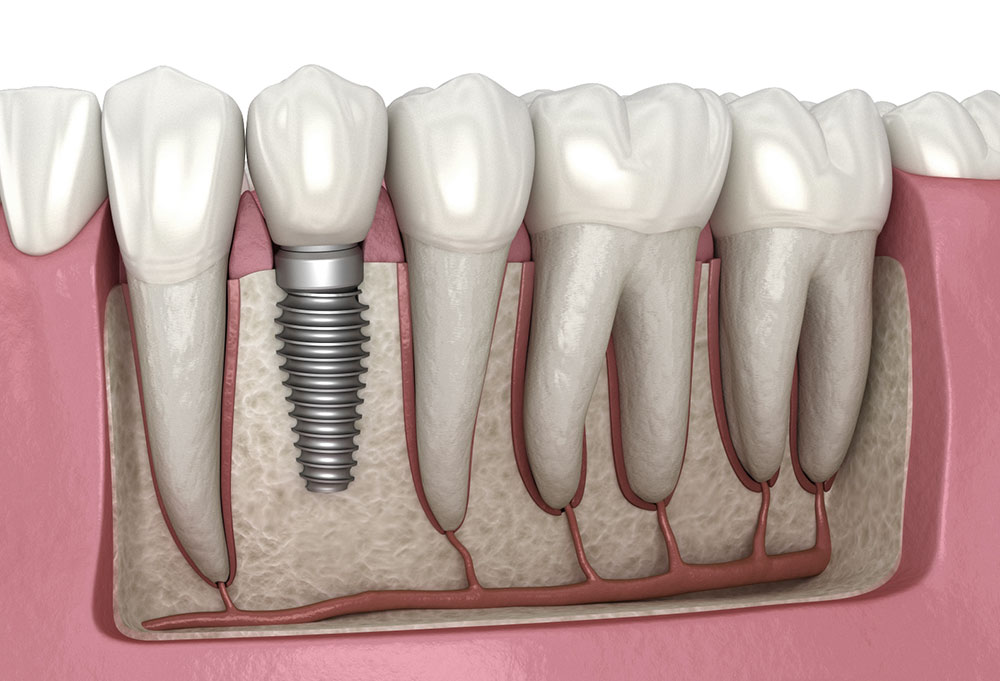
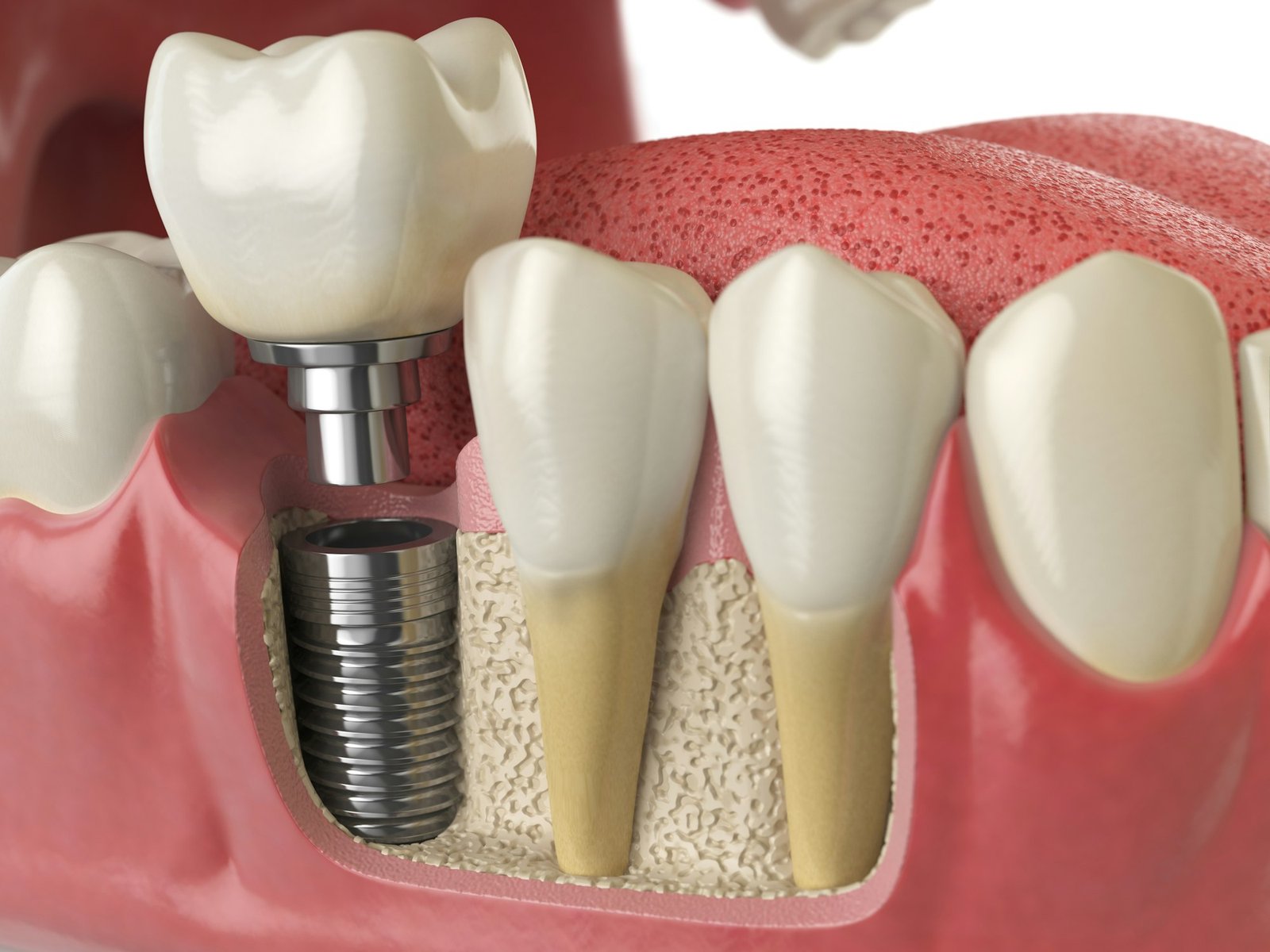
A tooth implant is an artificial tooth root, typically made of titanium, that is surgically placed into the jawbone to support a replacement tooth. It serves as a stable foundation for a crown, bridge, or denture, providing a long-lasting and natural-looking solution for missing teeth. This restorative option is a cornerstone of modern dental restoration.
Why is titanium commonly used in tooth implants?
Titanium is a biocompatible material, meaning it is well-tolerated by the human body. It also possesses excellent strength and durability, making it ideal for withstanding the forces of chewing and biting. Furthermore, titanium has the unique ability to fuse with bone in a process called osseointegration.
How does a tooth implant mimic a natural tooth root?
A tooth implant is designed to mimic the function of a natural tooth root by providing a secure anchor for the replacement tooth. It stimulates bone growth in the jaw, preventing bone loss and maintaining the natural contours of your face. This is crucial for the long-term health and aesthetics of your smile.
How do Tooth Implants work?
A tooth implant works by integrating directly with the jawbone in a process called osseointegration. Once the implant is surgically placed, the bone grows around it, creating a strong and stable foundation. After the healing period, an abutment is attached to the implant, and a custom-made crown is placed on top, completing the tooth replacement.
Considering dental implants in Albania can significantly reduce the cost while receiving high-quality care.
Tooth Implant Procedure Overview
implant surgery, healing process, osseointegration, dental abutment, crown placement
The tooth implant procedure involves several stages, from the initial consultation to the final crown placement. Each step is carefully planned and executed to ensure the success and longevity of the implant.
What are the steps involved in the tooth implant procedure?
- Initial Consultation: A thorough examination, including X-rays and CT scans, to assess your oral health and determine if you are a suitable candidate for tooth implants.
- Surgical Placement: The implant is surgically placed into your jawbone under local anesthesia. In some cases, sedation may be used to ensure your comfort.
- Healing and Osseointegration: The implant is left to heal for several months, allowing the bone to grow around it and fuse with the implant surface. This process is known as osseointegration.
- Abutment Installation: Once osseointegration is complete, an abutment is attached to the implant. The abutment serves as a connector between the implant and the final crown.
- Crown Placement: A custom-made crown is attached to the abutment, completing the tooth replacement. The crown is designed to match the color, shape, and size of your natural teeth.
How long does the tooth implant procedure take?
The entire tooth implant procedure can take several months, depending on individual factors such as bone density, healing time, and the complexity of the case. However, advancements in dental technology have made it possible to complete certain steps in a shorter timeframe. For instance, some patients may be eligible for immediate loading dental implants, where a temporary crown is placed on the implant immediately after surgery.
For those considering travelling abroad, it is useful to know How Long Do I Have to Stay in Turkey for Dental Implants?
Benefits of Tooth Implants
long-term durability, natural appearance, improved chewing, bone preservation
Tooth implants offer numerous benefits compared to other tooth replacement options, such as bridges and dentures. They provide a long-term, stable, and natural-looking solution for missing teeth.
What are the clinical, functional, and cosmetic benefits of tooth implants?
- Durability and Lifespan: With proper care and maintenance, tooth implants can last a lifetime.
- Natural Aesthetic: Implants look and feel like natural teeth, blending seamlessly with your smile.
- Retention of Jawbone Structure: Implants stimulate bone growth, preventing bone loss and maintaining facial contours.
- Improved Function: Implants restore your ability to chew and speak properly, improving your quality of life.
- Enhanced Confidence: A complete and natural-looking smile can boost your self-esteem and confidence.
One of the key advantages of tooth implants is their ability to preserve jawbone structure. When a tooth is lost, the surrounding bone begins to deteriorate over time. Implants stimulate bone growth, preventing bone loss and maintaining the natural contours of your face. This is particularly important for the long-term aesthetics and health of your smile.
Many patients wonder, Are Dental Implants Worth the Money? This is because tooth implants can improve your eating quality, and appearance.
Potential Risks and Considerations
infection risk, implant failure, candidacy, bone density, cost of tooth implant
While tooth implants are generally safe and effective, it’s important to be aware of the potential risks and considerations associated with the procedure.
What are the possible risks and complications associated with tooth implants?
- Infection Risk: Like any surgical procedure, there is a risk of infection at the implant site.
- Implant Failure: In rare cases, the implant may not fuse properly with the bone, leading to implant failure.
- Nerve Damage: There is a small risk of nerve damage during the surgical placement of the implant.
- Sinus Problems: Implants placed in the upper jaw can sometimes lead to sinus problems.
Who is a suitable candidate for tooth implants?
A suitable candidate for tooth implants generally has good oral health, sufficient bone density in the jaw, and is a non-smoker. Certain medical conditions, such as uncontrolled diabetes or autoimmune diseases, may increase the risk of complications.
What factors affect the cost of a tooth implant?
The cost of a tooth implant can vary depending on several factors, including the number of implants needed, the complexity of the case, the type of materials used, and the location of the dental clinic. It’s important to discuss all costs upfront with your dentist.
If you are worried about costs, why not consider dental treatment with Albania Dental Implants. Albania Dental Implants offers comprehensive care from the initial consultation to post-operative follow-up and offers significant discounts.
Aftercare for Tooth Implants
oral hygiene, implant maintenance, follow-up visits
Proper aftercare is essential for maintaining the health and longevity of your tooth implants. Following your dentist’s instructions and maintaining good oral hygiene can help prevent complications and ensure the long-term success of your implants.
What are the best practices for maintaining a tooth implant?
- Brush and Floss Regularly: Brush your teeth at least twice a day and floss daily to remove plaque and bacteria.
- Use a Soft-Bristled Toothbrush: A soft-bristled toothbrush can help prevent damage to the implant and surrounding gums.
- Visit Your Dentist Regularly: Schedule regular dental checkups and cleanings to monitor the health of your implants and address any potential problems early on.
- Avoid Smoking: Smoking can increase the risk of implant failure and other complications.
- Maintain a Healthy Diet: A balanced diet can promote overall oral health and support the health of your implants.
Regular dental checkups are crucial for monitoring the health of your implants and addressing any potential problems early on. Your dentist can assess the condition of the implant, check for signs of infection or bone loss, and provide professional cleaning to remove plaque and tartar buildup.
Why is oral hygiene so important when it comes to tooth implants?
Oral hygiene is paramount for the success and longevity of tooth implants. Bacteria and plaque buildup around the implant site can lead to inflammation, infection, and ultimately, implant failure. Meticulous oral hygiene practices, including regular brushing, flossing, and professional dental cleanings, are essential for preventing these complications.
If tooth implants aren’t properly taken care of it can be Why Does My Dental Implant Hurt When I Chew?
Comparison With Other Tooth Replacement Options
dental bridge vs implant, dentures, removable prosthesis
Tooth implants offer several advantages compared to other tooth replacement options, such as dental bridges and dentures. While bridges and dentures can restore your smile and improve your ability to chew, they do not provide the same level of stability, longevity, and bone preservation as implants.
How do tooth implants compare to bridges and dentures?
- Longevity: Tooth implants are a long-term solution that can last a lifetime with proper care, while bridges and dentures typically need to be replaced every 5-10 years.
- Maintenance: Implants require the same care as natural teeth, while bridges and dentures may require special cleaning and maintenance.
- Bone Preservation: Implants stimulate bone growth, preventing bone loss, while bridges and dentures do not.
- Stability: Implants are securely anchored to the jawbone, providing a stable and reliable foundation for the replacement tooth, while bridges and dentures can be less stable and may require adjustments.
- Aesthetics: Implants look and feel like natural teeth, blending seamlessly with your smile, while bridges and dentures may be more noticeable.
What is the best alternative to dental implants?
The best alternative to dental implants depends on individual needs and circumstances. For those seeking a more affordable option, What is the Cheapest Alternative to Dental Implants? might be useful to read.
Frequently Asked Questions (FAQs)
Here we address some of the most common questions about tooth implants.
What is a tooth implant and how does it work?
A tooth implant is an artificial tooth root, typically made of titanium, that is surgically placed into the jawbone. It works by fusing with the bone in a process called osseointegration, providing a stable foundation for a replacement tooth.
Who is a candidate for a tooth implant?
A candidate for a tooth implant generally has good oral health, sufficient bone density in the jaw, and is a non-smoker. Certain medical conditions may increase the risk of complications.
How long does the tooth implant procedure take?
The tooth implant procedure can take several months, depending on individual factors such as bone density, healing time, and the complexity of the case.
How much does a tooth implant cost in the UK?
The average How Much Does a Dental Implant Cost in the UK? The cost of a tooth implant in the UK can vary depending on several factors, but typically ranges from £2,000 to £4,000 per implant. This includes the cost of the implant, abutment, crown, and surgical procedures. However, it is possible to Can I Get Finance for Dental Implants?.
Are tooth implants painful?
Most patients experience only mild discomfort after tooth implant surgery. Local anesthesia is used during the procedure to minimize pain, and pain medication can be prescribed to manage any post-operative discomfort.
How do I care for my tooth implant after surgery?
Care for your tooth implant after surgery by following your dentist’s instructions, maintaining good oral hygiene, and attending regular dental checkups. This includes brushing and flossing regularly, using a soft-bristled toothbrush, and avoiding smoking.
What risks or complications are associated with tooth implants?
Risks associated with tooth implants include infection, implant failure, nerve damage, and sinus problems. However, these complications are rare and can often be prevented with proper planning and care.
How do tooth implants compare to bridges and dentures?
Tooth implants offer several advantages compared to bridges and dentures, including longevity, stability, bone preservation, and a natural aesthetic.
How long do tooth implants last?
With proper care and maintenance, tooth implants can last a lifetime. Regular dental checkups and good oral hygiene are essential for ensuring the longevity of your implants.
Can everyone get a tooth implant?
Not everyone is a suitable candidate for a tooth implant. Factors such as bone density, oral health, and certain medical conditions can affect your eligibility.
How soon after tooth extraction can you get a tooth implant?
In some cases, it may be possible to place a tooth implant immediately after tooth extraction. However, in other cases, it may be necessary to wait several months for the extraction site to heal before placing the implant.
Will I need bone grafting for my tooth implant?
Bone grafting may be necessary if you have insufficient bone density in the jaw to support the implant. Your dentist can assess your bone density and determine if bone grafting is required.
What is the success rate of tooth implants?
Tooth implants have a high success rate, with most studies reporting success rates of over 95%. Proper planning, surgical technique, and aftercare are essential for ensuring the success of your implants.
Does insurance cover tooth implants?
Insurance coverage for tooth implants can vary depending on your insurance plan. It’s important to check with your insurance provider to determine what portion of the cost is covered. While it is difficult to get dental implants on the NHS, it is possible. See Can You Get Implants on a NHS Dentist?
Restore Your Smile with Albania Dental Implants
If you’re considering tooth implants, Albania Dental Implants offers high-quality and affordable dental solutions. Contact us today to schedule a consultation and learn more about how we can help you restore your smile and improve your quality of life.
Here at Albania Dental Implants, we provide services such as full mouth reconstruction in Albania, dental veneers in Albania, all on 4 dental implants in albania. To begin your journey to oral health, contact Albania Dental Implants today.





