



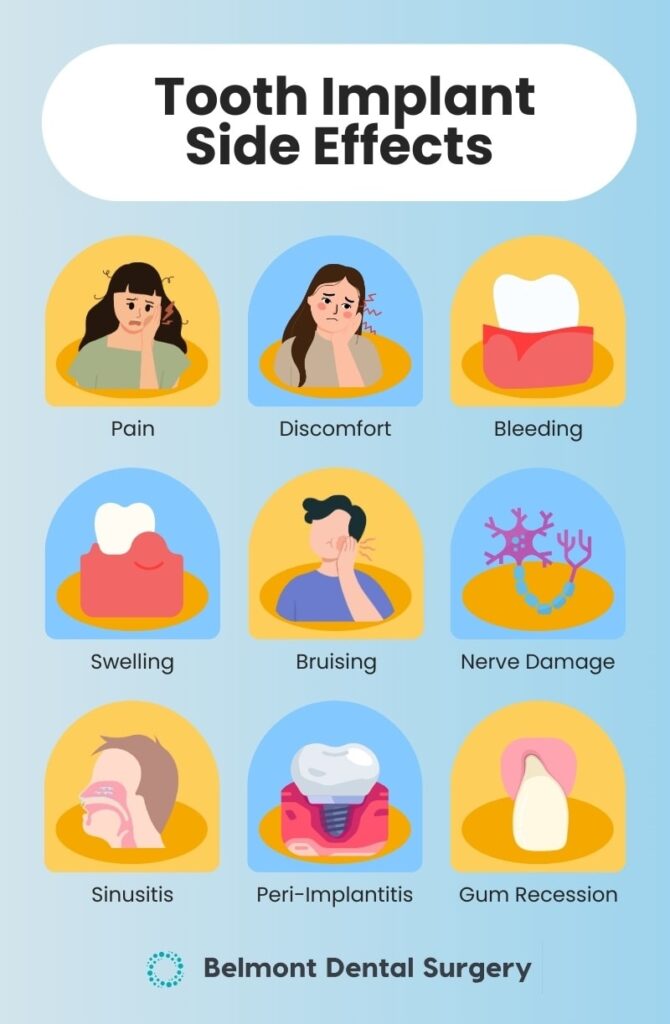

What are the long term side effects of dental implants? This is a crucial question to address when considering this popular and effective tooth replacement option. While dental implants offer numerous benefits, it’s essential to be aware of potential long-term complications and how to minimize their risk. This article will explore these side effects, providing you with the knowledge to make informed decisions about your oral health and consider options such as pursuing dental tourism in Albania for affordable, high-quality care.
Understanding Dental Implants
CLUSTER: dental implants procedure, implant longevity, dental implant materials
Before delving into the long-term side effects, it’s important to understand what dental implants are and how they work. Dental implants are artificial tooth roots, typically made of titanium, that are surgically placed into the jawbone to support a replacement tooth or teeth. They offer a stable and durable foundation, mimicking the function and appearance of natural teeth. Understanding the dental implants procedure is key to understanding potential long-term issues.
What are dental implants?
Dental implants are small, screw-like posts that are surgically inserted into the jawbone. Over time, the bone fuses with the implant through a process called osseointegration, creating a strong and permanent bond. This makes dental implants a stable and reliable solution for replacing missing teeth.
Overview of the standard procedure
The dental implant procedure typically involves several steps:
- Initial consultation and assessment: This includes a thorough examination of your oral health, including X-rays and CT scans, to determine if you are a suitable candidate for dental implants.
- Implant placement: The implant is surgically placed into the jawbone. This is usually done under local anesthesia, but sedation options are available for anxious patients.
- Osseointegration: This is the healing period, which can take several months, during which the bone fuses with the implant.
- Abutment placement: Once osseointegration is complete, an abutment (a connector piece) is attached to the implant.
- Crown placement: Finally, a custom-made crown is attached to the abutment, completing the tooth replacement.
Materials commonly used and their properties
Dental implants are primarily made of titanium, a biocompatible metal that is well-tolerated by the body. Titanium is strong, durable, and resistant to corrosion, making it an ideal material for long-term use in the oral environment. In some cases, zirconia implants are used as an alternative, offering a metal-free option for patients with metal sensitivities.
Common Long Term Side Effects
CLUSTER: long-term dental implant complications, dental implant failure, peri-implantitis, bone loss, gum recession
While dental implants are generally successful, it’s important to be aware of potential long-term side effects. Proper oral hygiene and regular dental checkups are crucial for minimizing the risk of these complications. It’s vital to be aware of long-term dental implant complications.
Peri-implantitis (inflammation around the implant)
Peri-implantitis is a common long-term complication characterized by inflammation of the tissues surrounding the dental implant. This inflammation can lead to bone loss and, if left untreated, can eventually result in implant failure. Symptoms of peri-implantitis include:
- Redness and swelling around the implant
- Bleeding when brushing or flossing
- Pus or discharge from the implant site
- Deepening of the gum pockets around the implant
Treatment for peri-implantitis typically involves professional cleaning to remove bacteria and plaque, as well as antibiotics to control infection. In severe cases, surgery may be necessary to clean the implant and regenerate lost bone.
Bone loss around implant sites
Bone loss around dental implants is another potential long-term issue. This can occur due to peri-implantitis, poor implant placement, or excessive biting forces. Gradual bone loss can compromise the stability of the implant and increase the risk of failure. Regular dental checkups and X-rays are essential for monitoring bone levels around the implant.
Gum recession and tissue changes
Gum recession can occur around dental implants over time, exposing the implant and potentially affecting its appearance and stability. Factors contributing to gum recession include:
- Thin gum tissue
- Aggressive brushing
- Poorly fitting crowns
- Peri-implantitis
Gum grafting procedures can be used to restore lost gum tissue and improve the aesthetics and health of the implant site.
Implant loosening or failure over time
Although dental implants are designed to be a permanent solution, implant loosening or failure can occur over time. Factors contributing to implant failure include:
- Peri-implantitis
- Poor oral hygiene
- Smoking
- Underlying medical conditions (e.g., diabetes)
- Excessive biting forces
If an implant becomes loose or fails, it may need to be removed and replaced with a new implant.
Less Common and Rare Long Term Issues
CLUSTER: allergic reaction to dental implants, nerve damage, sinus problems, systemic effects
While less common, certain rare long-term issues can arise with dental implants. These complications require prompt diagnosis and treatment to minimize their impact on your overall health and well-being. Awareness of potential allergic reaction to dental implants is crucial.
Chronic pain or nerve damage
Chronic pain or nerve damage is a rare but serious complication of dental implant surgery. Nerve damage can occur if the implant is placed too close to a nerve, resulting in pain, numbness, or tingling in the face, lips, or tongue. In most cases, nerve damage is temporary, but it can be permanent in some instances. If you experience persistent pain or numbness after dental implant surgery, it’s important to seek medical attention immediately.
Allergic reactions to titanium or other metals
Although titanium is generally considered biocompatible, allergic reactions to titanium or other metals used in dental implants can occur in rare cases. Symptoms of an allergic reaction may include:
- Skin rash
- Itching
- Swelling
- Difficulty breathing
If you suspect you are having an allergic reaction to your dental implant, seek medical attention immediately. Alternative implant materials, such as zirconia, may be an option for patients with metal sensitivities.
Sinus issues (upper jaw implants)
Sinus issues can occur when dental implants are placed in the upper jaw, particularly if there is insufficient bone height. In these cases, the implant may protrude into the sinus cavity, leading to sinus infections, pain, and congestion. A sinus lift in Albania procedure can be performed to increase bone height and prevent sinus problems.
Potential systemic effects (rare, disputed in literature)
Some research suggests that long-term inflammation around dental implants may contribute to systemic health problems, such as cardiovascular disease and diabetes. However, this is a controversial topic, and more research is needed to confirm these findings. Maintaining good oral hygiene and addressing any signs of peri-implantitis promptly are essential for minimizing potential systemic effects.
Risk Factors and Prevention
CLUSTER: dental implant risk factors, maintenance, oral hygiene, patient health
Certain factors can increase the risk of long-term side effects with dental implants. Understanding these risk factors and taking preventive measures is crucial for ensuring the long-term success of your implants. Oral hygiene and patient health play vital roles in reducing risk.
Who is at greater risk for long term side effects?
Individuals with the following risk factors may be more prone to long-term side effects:
- Poor oral hygiene: Inadequate brushing and flossing can lead to plaque and bacteria buildup, increasing the risk of peri-implantitis.
- Smoking: Smoking impairs healing and increases the risk of implant failure.
- Underlying medical conditions: Conditions such as diabetes, osteoporosis, and autoimmune diseases can compromise the health of the implant and surrounding tissues.
- Bruxism (teeth grinding): Excessive teeth grinding can put excessive force on the implant, leading to loosening or failure.
- Certain medications: Some medications, such as bisphosphonates, can interfere with bone healing and increase the risk of implant failure.
The role of oral hygiene and maintenance
Maintaining excellent oral hygiene is essential for preventing long-term side effects. This includes:
- Brushing your teeth at least twice a day with a soft-bristled toothbrush
- Flossing daily to remove plaque and bacteria from between your teeth
- Using an interdental brush or water flosser to clean around the implant
- Avoiding smoking and excessive alcohol consumption
Importance of regular dental checkups
Regular dental checkups are crucial for monitoring the health of your dental implants and detecting any early signs of complications. Your dentist can assess the stability of the implant, check for signs of inflammation or bone loss, and provide professional cleaning to remove plaque and bacteria. Contact Albania Dental Implants for more information.
How patient health conditions (e.g., diabetes, smoking) influence risks
Certain health conditions and lifestyle factors can significantly influence the long-term success of dental implants:
- Diabetes: Poorly controlled diabetes can impair healing and increase the risk of infection, including peri-implantitis.
- Smoking: Smoking reduces blood flow to the gums, impairing healing and increasing the risk of implant failure.
- Osteoporosis: Osteoporosis can weaken the jawbone, making it more difficult for the implant to integrate properly.
Managing these health conditions and adopting healthy lifestyle habits can significantly improve the long-term success of dental implants.
Comparing Dental Implants to Other Tooth Replacement Options
CLUSTER: dental implants vs dentures, bridge vs implant, long-term outcomes
When considering tooth replacement options, it’s important to weigh the long-term side effects and benefits of each choice. Dental implants, dentures, and bridges each have their own set of advantages and disadvantages. Understanding the dental implants vs dentures debate is essential.
How do long term side effects compare to dentures or bridges?
Dental implants generally offer better long-term outcomes compared to dentures and bridges. Dentures can cause bone loss over time and may require frequent adjustments. Bridges can put stress on adjacent teeth and may need to be replaced eventually. While dental implants can have complications like peri-implantitis, their overall long-term success rate is higher.
Pros and cons over the long term
Here’s a comparison of the long-term pros and cons of dental implants, dentures, and bridges:
- Dental Implants:
- Pros: Permanent solution, prevents bone loss, natural-looking and feeling, restores full chewing function.
- Cons: Higher initial cost, potential for peri-implantitis, rare risk of nerve damage.
- Dentures:
- Pros: Lower initial cost, non-surgical.
- Cons: Can cause bone loss, may require frequent adjustments, can be uncomfortable, may affect speech and taste.
- Bridges:
- Pros: Less invasive than implants, lower cost than implants.
- Cons: Requires support from adjacent teeth, can put stress on supporting teeth, may need to be replaced eventually.
When to Seek Help
CLUSTER: dental implant complications symptoms, when to contact dentist, warning signs after implant
Recognizing the signs of potential long-term problems with your dental implants is crucial for seeking timely treatment and preventing further complications. Knowing when to contact dentist is essential.
Signs you might be experiencing a long term problem
Be alert for the following symptoms, which could indicate a long-term problem with your dental implants:
- Persistent pain or discomfort around the implant
- Redness, swelling, or bleeding gums
- Pus or discharge from the implant site
- Loose or shifting implant
- Difficulty chewing
- Changes in your bite
- Numbness or tingling in your face, lips, or tongue
When to consult a dental professional
If you experience any of the above symptoms, it’s important to consult a dental professional immediately. Early diagnosis and treatment can help prevent further complications and preserve the long-term health of your dental implants. Regular check-ups can help identify issues early before they become major problems.
FAQ Section
What are the long term side effects of dental implants?
Long-term side effects of dental implants can include peri-implantitis (inflammation around the implant), bone loss, gum recession, implant loosening or failure, nerve damage, allergic reactions (rare), and sinus issues (for upper jaw implants).
Can dental implants fail years after placement?
Yes, dental implants can fail years after placement. This is often due to factors like peri-implantitis, poor oral hygiene, smoking, underlying medical conditions, or excessive biting forces.
Is bone loss common around dental implants?
Bone loss is a potential complication, especially in the presence of peri-implantitis. Regular dental checkups and good oral hygiene are essential for monitoring and preventing bone loss.
Can dental implants cause health problems in the body?
Some research suggests a link between long-term inflammation around dental implants and systemic health issues like cardiovascular disease and diabetes, but more research is needed. Maintaining good oral hygiene is crucial for minimizing potential risks.
How do you reduce the risk of long term complications with dental implants?
To reduce the risk of long-term complications, maintain excellent oral hygiene, attend regular dental checkups, avoid smoking, manage underlying health conditions, and follow your dentist’s instructions carefully.
Are dental implants safe for everyone?
Dental implants are generally safe, but certain medical conditions and lifestyle factors can increase the risk of complications. A thorough evaluation by a qualified dentist is essential to determine if you are a suitable candidate. Consider affordable options like dental implants in Albania.
What should I do if my dental implant feels loose?
If your dental implant feels loose, contact your dentist immediately. A loose implant could indicate a problem with osseointegration or an infection, and prompt treatment is necessary to prevent further complications.
Can you be allergic to dental implants?
Allergic reactions to titanium, the primary material used in dental implants, are rare but possible. Symptoms can include skin rash, itching, or swelling. Alternative materials like zirconia may be used for patients with metal sensitivities.
How are long term complications of dental implants treated?
Treatment for long-term complications varies depending on the specific issue. Peri-implantitis may require professional cleaning, antibiotics, or surgery. Bone loss may require bone grafting. Loose or failing implants may need to be removed and replaced. Nerve damage may require medication or surgery.
Conclusion
Dental implants offer a long-lasting and effective solution for replacing missing teeth, but it’s important to be aware of the potential long-term side effects. By maintaining excellent oral hygiene, attending regular dental checkups, and addressing any concerns promptly, you can significantly reduce the risk of complications and enjoy the benefits of a healthy and confident smile for years to come. If you’re considering dental implants or experiencing any issues with your existing implants, contact Albania Dental Implants today for a consultation and explore the possibility of affordable, high-quality Albania Dental Implants Services!





