



What is an Implant Tooth? Your Guide to Dental Implants
What is an implant tooth? An implant tooth is an artificial tooth root, usually made of titanium, that is surgically placed into the jawbone to support a replacement tooth or bridge. If you’re considering this treatment to restore your smile, understanding what dental implants are is the first step. At Albania Dental Implants, we believe everyone deserves a confident smile.
What is a Dental Implant? Understanding Tooth Implants
Let’s clarify what a dental implant is and how it differs from other tooth replacements.
What exactly is a dental implant?
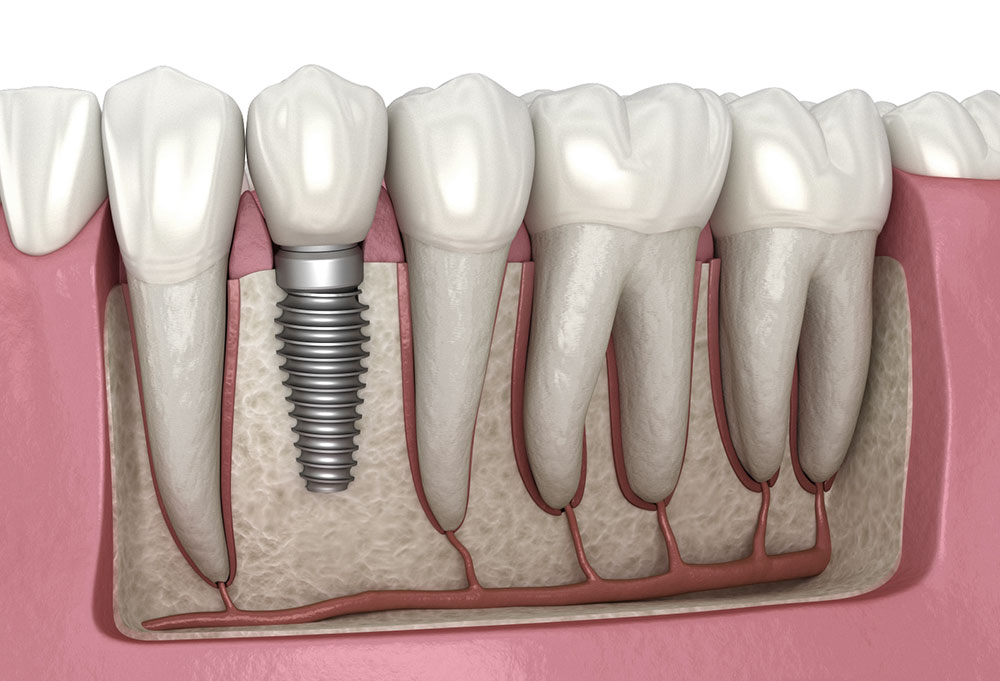
A dental implant is a small, biocompatible post, typically made of titanium, that’s surgically inserted into your jawbone. It acts as a replacement for the root of a missing tooth. This provides a stable foundation for a crown, bridge, or denture. Unlike dentures, which sit on top of the gums, dental implants are anchored in the bone, offering superior stability and a more natural feel.
Anatomy of a dental implant: screw, abutment, crown
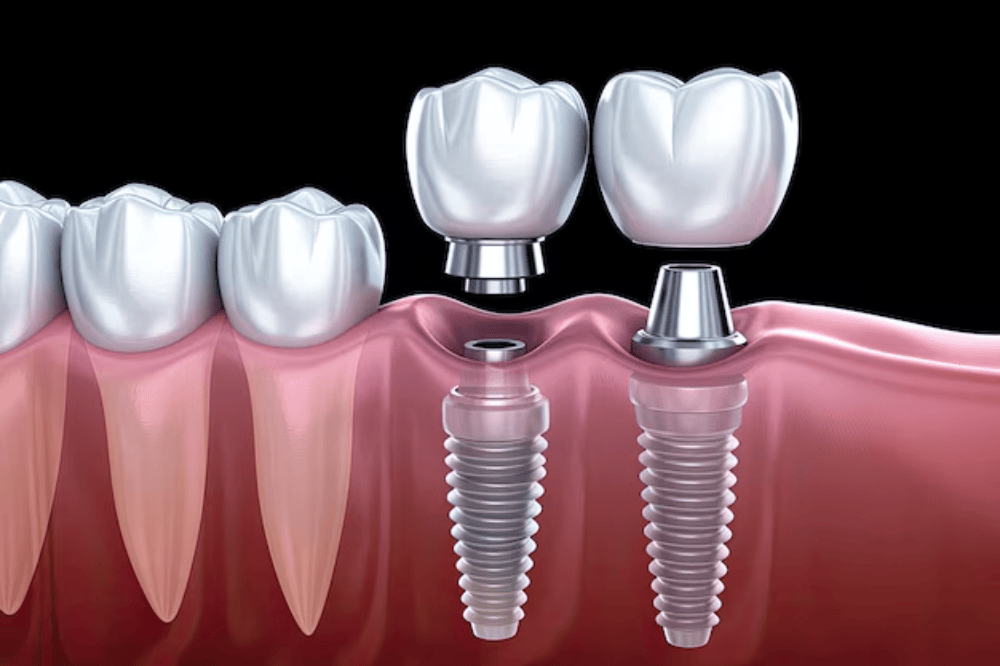
A complete dental implant consists of three main parts:
- Implant Screw: This is the titanium post that’s inserted into the jawbone. It fuses with the bone through a process called osseointegration.
- Abutment: This is a connector piece that attaches to the implant screw and protrudes above the gum line. It serves as the base for the crown.
- Crown: This is the artificial tooth that’s attached to the abutment. It’s custom-made to match the shape, size, and color of your natural teeth, providing a seamless and aesthetically pleasing result.
Materials used in dental implants
While titanium is the most common material for dental implants due to its biocompatibility and strength, other materials are also used. Zirconia implants are an increasingly popular alternative, especially for those with metal sensitivities. Both materials have proven success rates. Ultimately, the choice of material depends on individual patient needs and preferences.
How Does a Tooth Implant Procedure Work?
If you’re exploring a tooth implant procedure, understanding the process is essential.
The step-by-step process: consultation, planning, surgery, placing the implant, attaching the crown
The dental implant procedure typically involves several stages:
- Consultation: This is where your dentist assesses your oral health, takes X-rays, and discusses your treatment options.
- Planning: A detailed treatment plan is developed, including the precise placement of the implant and the design of the crown.
- Surgery: The implant is surgically placed into the jawbone. This may require bone grafting if there isn’t enough bone density.
- Osseointegration: This is the healing period, where the implant fuses with the jawbone. It can take several months.
- Abutment Placement: Once osseointegration is complete, the abutment is attached to the implant.
- Crown Placement: Finally, the custom-made crown is attached to the abutment, completing the implant tooth.
Diagnostic imaging and planning
Advanced diagnostic imaging plays a vital role in dental implant planning. Cone-beam computed tomography (CBCT) scans provide detailed 3D images of your jawbone, allowing your dentist to assess bone density, identify critical structures, and plan the precise placement of the implant. This technology minimizes risks and ensures optimal results.
What Are the Benefits of Dental Implants?
Dental implants offer numerous benefits compared to other tooth replacement options.
Improved function (chewing and speech)
Unlike dentures, which can slip and slide, dental implants are firmly anchored in the jawbone, providing excellent stability for chewing and speaking. You’ll be able to enjoy your favorite foods without worry and speak with confidence. According to the American Academy of Implant Dentistry, implants can restore chewing efficiency to near-natural levels.
Aesthetic advantages over dentures/bridges
Dental implants look and feel like natural teeth, seamlessly blending in with your smile. The crowns are custom-made to match the color, shape, and size of your existing teeth, providing a natural and aesthetically pleasing result.
Bone preservation and oral health
When a tooth is lost, the surrounding bone begins to deteriorate. Dental implants stimulate bone growth and prevent bone loss, helping to maintain your facial structure and overall oral health. Bridges, on the other hand, require altering adjacent teeth, potentially weakening them.
Dental Implant Cost: What Influences the Price?
Understanding the dental implant cost is an important consideration.
National average costs and what’s included
The cost of a dental implant can vary significantly depending on several factors. The national average cost for a single dental implant, including the implant, abutment, and crown, can range from £3,000 to £5,000 in the UK. This typically includes the consultation, surgery, and follow-up appointments.
Factors affecting cost: material, complexity, aftercare, insurance
Several factors can influence the final cost:
- Material: Zirconia implants are generally more expensive than titanium implants.
- Complexity: Complex cases requiring bone grafting or sinus lifts will increase the cost.
- Aftercare: The cost of follow-up appointments and maintenance should be considered.
- Insurance: Dental insurance coverage for implants varies, so check with your provider.
Did you know that dental tourism in Albania offers a more affordable solution for dental implants? At Albania Dental Implants, we provide high-quality implants at competitive prices, making it possible for you to achieve a confident smile without breaking the bank.
Types of Dental Implants & Options
There are various types of types of dental implants available to suit different needs.
Endosteal vs subperiosteal vs zygomatic implants
The most common types include:
- Endosteal Implants: These are placed directly into the jawbone and are the most widely used type.
- Subperiosteal Implants: These are placed under the gum but on or above the jawbone. They’re used when there isn’t enough bone depth for endosteal implants.
- Zygomatic Implants: These are anchored in the cheekbone (zygomatic bone) and are used when there’s severe bone loss in the upper jaw.
Single-tooth vs multiple-tooth vs full-mouth implants
Implants can be used to replace a single missing tooth, multiple missing teeth, or an entire arch of teeth. For multiple teeth, options include implant-supported bridges or all on 4 dental implants in albania. Full-mouth implants can restore your entire smile and improve your quality of life.
Who is Eligible for a Dental Implant?
Not everyone is an ideal candidate for a dental implant.
Ideal candidates: bone health, gum condition, medical history
Ideal candidates typically have:
- Good Bone Health: Sufficient bone density in the jawbone to support the implant.
- Healthy Gums: Free from periodontal disease.
- Good Overall Health: No underlying medical conditions that could interfere with healing.
Contraindications: health factors that may affect suitability
Certain health factors can affect suitability for dental implants, including:
- Uncontrolled Diabetes: Can impair healing.
- Smoking: Increases the risk of implant failure.
- Certain Medications: Such as bisphosphonates, can affect bone health.
- Bruxism: Excessive teeth grinding can put too much pressure on the implant during the healing process.
Dental Implant Risks, Complications & Safety
Like any surgical procedure, dental implants have potential risks.
Common and rare risks: infection, rejection, nerve injury
Common risks include:
- Infection: Can occur at the implant site.
- Nerve Injury: Can cause numbness or tingling in the gums, lips, or chin.
- Sinus Problems: Can occur with implants in the upper jaw.
Rare risks include implant rejection, which is uncommon due to the biocompatibility of titanium.
Success rates and safety statistics
Dental implants have a high success rate, with studies reporting success rates of over 95% . Proper planning, skilled surgeons, and good oral hygiene are key to ensuring a successful outcome.
Dental Implant Recovery & Aftercare
Proper recovery after dental implants is vital for successful healing.
Healing timeline and stages
The healing timeline varies, but generally includes:
- Initial Healing (1-2 weeks): Soreness, swelling, and bruising are common.
- Osseointegration (3-6 months): The implant fuses with the jawbone.
- Final Restoration (1-2 months): The abutment and crown are placed.
Aftercare: cleaning, follow-up visits, lifestyle recommendations
Aftercare includes:
- Gentle Cleaning: Using a soft-bristled toothbrush and floss around the implant.
- Regular Follow-up Visits: To monitor healing and ensure proper function.
- Lifestyle Recommendations: Avoiding smoking and maintaining a healthy diet.
Dental Implant Maintenance
Taking great care of your dental implants can help them last for years. Brush and floss your implants like natural teeth. It’s also important to visit your dentist regularly for cleanings and checkups.
Dental Implants vs Bridges vs Dentures: What’s the Difference?
Understanding the differences between dental implants, bridges, and dentures is essential for making the right choice.
Key differences
The key differences lie in:
- Stability: Implants are anchored in the bone, providing superior stability compared to dentures.
- Bone Preservation: Implants stimulate bone growth, while dentures can accelerate bone loss.
- Aesthetics: Implants look and feel more natural than dentures or bridges.
Advantages and disadvantages of each option
Each option has its pros and cons:
- Dental Implants:
- Pros: Long-lasting, natural-looking, bone preservation.
- Cons: Higher cost, surgical procedure required.
- Dental Bridges:
- Pros: Less expensive than implants, non-surgical.
- Cons: Requires altering adjacent teeth, doesn’t prevent bone loss.
- Dentures:
- Pros: Least expensive option, non-surgical.
- Cons: Less stable, can cause bone loss, may affect speech and taste.
How Long Do Dental Implants Last?
The life expectancy of dental implants is a crucial consideration.
Longevity and durability
With proper care, dental implants can last a lifetime. Studies show that many implants last 20 years or more. Factors like oral hygiene, lifestyle, and overall health can affect longevity.
Maintenance tips to extend lifespan
To extend the lifespan of your dental implants:
- Practice Good Oral Hygiene: Brush and floss regularly.
- Avoid Smoking: Smoking increases the risk of implant failure.
- Maintain a Healthy Diet: Eat a balanced diet to support bone health.
- Visit Your Dentist Regularly: For check-ups and professional cleanings.
Frequently Asked Questions About Implant Teeth
Here are answers to some frequently asked questions about implant teeth.
What is an implant tooth and how is it different from a natural tooth?
An implant tooth is an artificial tooth root that is surgically placed into the jawbone to support a replacement tooth or bridge. Unlike a natural tooth, an implant tooth doesn’t have nerves or ligaments. It’s also made of titanium or zirconia, while natural teeth are made of enamel and dentin.
Does getting a dental implant hurt?
Most patients report minimal discomfort during the dental implant procedure. Local anesthesia is used to numb the area, and some dentists offer sedation options for anxious patients. After the procedure, some soreness and swelling are normal, but this can be managed with over-the-counter pain medication.
How long does the dental implant procedure take?
The entire dental implant process, from consultation to crown placement, can take several months. The surgical placement of the implant typically takes 1-2 hours, while the osseointegration process can take 3-6 months. The final restoration can be completed within a few weeks after osseointegration.
How should I care for a dental implant after surgery?
After surgery, it’s important to follow your dentist’s instructions carefully. This may include:
- Eating Soft Foods: Avoiding hard or crunchy foods that could irritate the implant site.
- Using a Special Mouthwash: To keep the area clean and prevent infection.
- Practicing Gentle Oral Hygiene: Brushing and flossing carefully around the implant.
How much does a dental implant cost in the UK?
The cost of a dental implant in the UK can vary, but typically ranges from £3,000 to £5,000 per implant, including the implant, abutment, and crown. This can vary depending on location, material and complexity of the procedure.
Are dental implants safe for everyone?
Dental implants are generally safe, but they may not be suitable for everyone. Certain health conditions, such as uncontrolled diabetes or heavy smoking, can increase the risk of implant failure.
What do dental implants look like?
Dental implants are designed to look and feel like natural teeth. The crowns are custom-made to match the color, shape, and size of your existing teeth, providing a seamless and aesthetically pleasing result.
Can dental implants fail?
While dental implants have a high success rate, they can fail in some cases. Factors that can contribute to implant failure include infection, poor oral hygiene, smoking, and underlying medical conditions.
How do I know if I am a candidate for a dental implant?
The best way to determine if you’re a candidate for a dental implant is to consult with a dentist. They’ll assess your oral health, take X-rays, and discuss your treatment options.
Will my dental insurance cover implants?
Dental insurance coverage for implants varies. Some policies may cover a portion of the cost, while others may not cover implants at all. Check with your insurance provider to determine your coverage.
Are there alternatives to dental implants?
Yes, alternatives to dental implants include dental bridges and dentures. However, these options have different advantages and disadvantages compared to implants. Dental tourism provides an excellent alternative that is much more affordable.
At Albania Dental Implants we offer dental implant alternatives.
Conclusion
Dental implants offer a long-lasting, natural-looking solution for missing teeth, improving both your oral health and quality of life. While the cost may seem significant, the benefits of improved function, aesthetics, and bone preservation make them a worthwhile investment. Whether you’re missing a single tooth or need a full-mouth restoration, dental implants can help you regain your confident smile.
Considering dental implants? Contact contact albania dental implants today to schedule a consultation and discover how we can help you achieve a healthy, beautiful smile with our affordable dental implant solutions in Albania.