



Dental Implant – Everything You Need to Know
Dental Implant Procedure
Understanding the dental implant procedure is crucial for anyone considering this tooth replacement option. It’s a multi-stage process that requires careful planning and execution to ensure successful integration and long-term stability.
What is a dental implant?
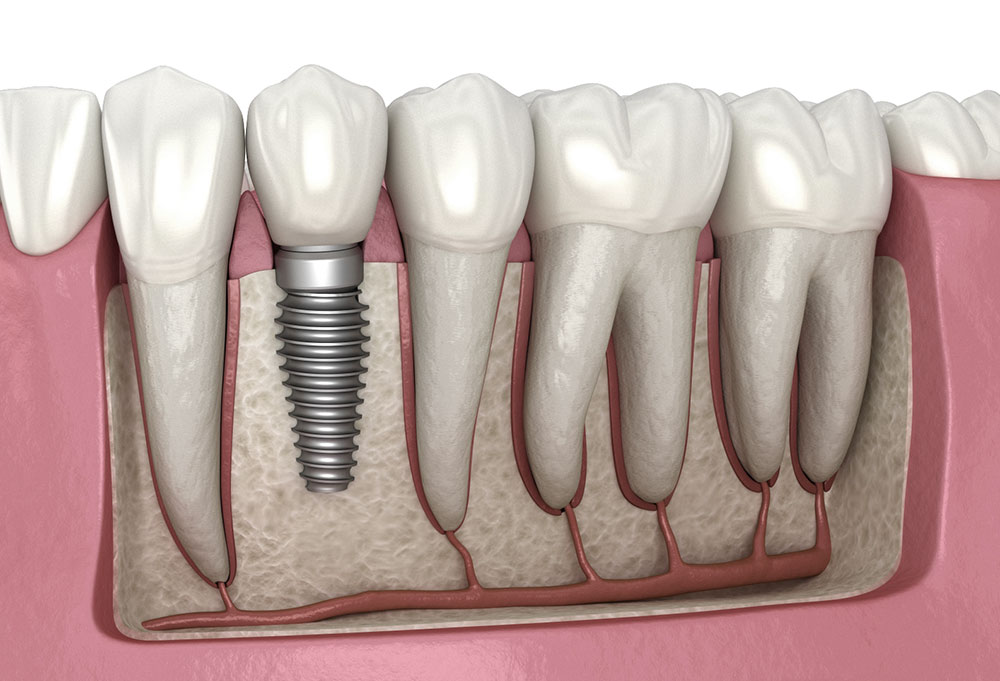
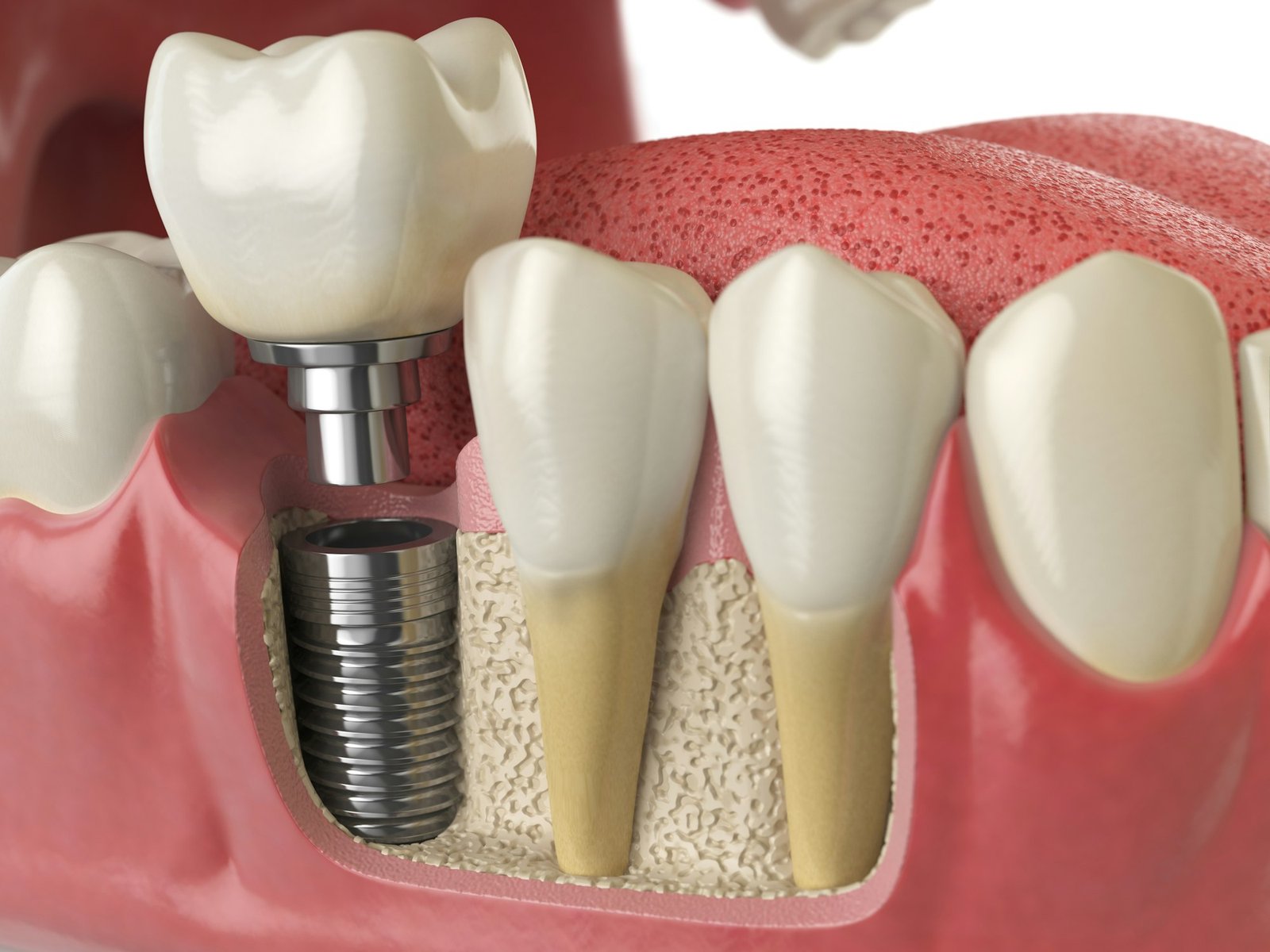
A dental implant is essentially an artificial tooth root made of biocompatible materials like titanium or zirconia. It’s surgically placed into the jawbone to provide a stable foundation for a replacement tooth or teeth. Unlike dentures or bridges, dental implants are anchored in the bone, offering superior stability, function, and aesthetics.
Steps involved in getting dental implants
The process of getting dental implants typically involves several key steps:
- Initial Consultation and Assessment: A thorough examination, including X-rays or CT scans, to assess your oral health and determine bone density.
- Treatment Planning: A customized treatment plan is developed based on your individual needs and goals.
- Implant Placement: The dental implant is surgically placed into the jawbone.
- Osseointegration: The implant fuses with the surrounding bone over a period of several months, providing a solid foundation.
- Abutment Placement: Once osseointegration is complete, an abutment (a connector) is attached to the implant.
- Crown Placement: A custom-made crown (replacement tooth) is attached to the abutment, completing the restoration.
Clinical eligibility: who should consider a dental implant?
Dental implants are an excellent option for individuals who:
- Are missing one or more teeth.
- Have sufficient bone density in the jaw to support an implant. If you don’t have enough bone, consider bone grafting in albania.
- Have healthy gums and are free from periodontal disease.
- Are committed to maintaining good oral hygiene.
- Are generally in good health.
However, some conditions may make you unsuitable for dental implants. Learn more about who is not suitable for dental implants.
Dental implants offer a long-lasting solution for missing teeth, restoring both function and aesthetics. They are a worthwhile investment for anyone seeking a permanent and reliable tooth replacement option.
How long does the procedure take?
The entire dental implant procedure, from initial consultation to final crown placement, can take several months. The implant placement surgery itself usually takes 1-2 hours per implant. The osseointegration process, where the implant fuses with the bone, typically takes 3-6 months. After osseointegration, the abutment and crown placement appointments are relatively quick and straightforward. For a faster solution, explore immediate loading dental implants in albania.
Types of Dental Implants
Exploring the different types of dental implants can help you make the best decision for your specific needs and circumstances.
Endosteal vs subperiosteal implants
There are two main types of dental implants:
- Endosteal Implants: These are the most common type of dental implant. They are placed directly into the jawbone and are suitable for patients with sufficient bone density.
- Subperiosteal Implants: These implants are placed under the gum but on or above the jawbone. They are used in patients who have insufficient bone density for endosteal implants and are not candidates for bone grafting.
Materials used: titanium, zirconia
Dental implants are typically made from two main materials:
- Titanium: This is the most widely used material for dental implants due to its excellent biocompatibility, strength, and osseointegration properties.
- Zirconia: A ceramic material that is metal-free, biocompatible and a great alternative for patients sensitive to metals. Learn more about zirconia implants in albania.
Single tooth vs multiple teeth vs full arch options
Dental implants can be used to replace a single tooth, multiple teeth, or even a full arch of teeth:
- Single Tooth Implants: Used to replace a single missing tooth, providing a natural-looking and functional restoration.
- Multiple Teeth Implants: Used to replace several missing teeth in a row, typically with an implant-supported bridge. Multiple implants with bridges in albania can restore your smile.
- Full Arch Implants: Used to replace an entire arch of missing teeth, often with techniques like All-on-4 or All-on-6 implants.
The choice of implant type and material depends on your individual needs, bone density, and aesthetic preferences.
Dental Implant Cost in the UK
Understanding the dental implant cost in the UK is a crucial step in planning your tooth replacement journey. The cost can vary significantly depending on several factors, but knowing what to expect can help you budget and make informed decisions.
Cost breakdown
The total cost of a dental implant typically includes:
- Initial Consultation and Assessment: £50 – £150
- Diagnostic Imaging (X-rays, CT scans): £50 – £200
- Implant Placement Surgery: £1,500 – £3,000 per implant
- Abutment: £200 – £500
- Crown: £500 – £1,500
Additional costs may include bone grafting (if needed) and temporary restorations.
The cost of a full set of teeth in the UK can be a significant investment in your dental health, impacting function, and appearance. Restoring a full set of teeth is a significant investment.
Factors influencing price (location, clinic, materials)
Several factors can influence the price of dental implants in the UK:
- Location: Prices tend to be higher in London and other major cities.
- Clinic: Established clinics with experienced specialists may charge more.
- Materials: Zirconia implants or custom-made crowns may cost more than standard options.
- Complexity: Cases requiring bone grafting or sinus lifts will incur additional costs.
Discover why dental implants are so expensive in the UK.
Availability of NHS dental implants
Dental implants are rarely available on the NHS, and are usually only offered in cases of medical necessity, such as:
- Trauma
- Cancer reconstruction
- Congenital hypodontia (missing six or more teeth)
However, you can explore, “Can You Get Implants on a NHS Dentist?”.
Financing and payment options
Many dental clinics offer financing options to help make dental implants more affordable. These may include:
- Payment Plans: Spreading the cost over several months or years.
- Dental Loans: Secured or unsecured loans specifically for dental treatment.
- Third-Party Financing: Companies that specialize in financing dental procedures.
For affordable dental implants in the UK, it’s important to consider all options. Discover how to afford dental implants in the UK.
Dental Implant Benefits
The benefits of dental implants extend far beyond just replacing missing teeth. They offer a wide range of advantages that can significantly improve your oral health, function, and overall quality of life.
Restored chewing and speaking function
Dental implants are anchored in the jawbone, providing a stable and secure foundation for replacement teeth. This allows you to chew your favorite foods without discomfort or difficulty, improving your nutrition and enjoyment of meals. Implants also improve speech by providing a stable base for your tongue and lips, eliminating the slurring or mumbling that can occur with dentures.
Improved aesthetics
Dental implants are designed to look, feel, and function like natural teeth. They can fill gaps in your smile, restore your facial contours, and boost your confidence. The replacement teeth are custom-made to match the color, shape, and size of your existing teeth, creating a seamless and natural-looking result. In fact, when you look at a dental implant, it must look ideally indistinguishable from your natural teeth.
Long-term durability
With proper care and maintenance, dental implants can last a lifetime. They are made from durable materials like titanium and are designed to withstand the stresses of everyday chewing and biting. Unlike dentures or bridges, dental implants do not require frequent replacements or adjustments.
Oral health impact
Dental implants can improve your overall oral health in several ways:
- Prevent Bone Loss: Implants stimulate the jawbone, preventing bone resorption that can occur after tooth loss.
- Maintain Adjacent Teeth Stability: Implants do not rely on adjacent teeth for support, preserving their integrity.
- Easy to Clean: Implants can be brushed and flossed like natural teeth, making it easier to maintain good oral hygiene.
The benefits of dental implants make them a worthwhile investment for anyone seeking a long-term solution for missing teeth. However, it’s also important to consider if there is a downside to dental implants before opting for treatment.
Risks and Complications of Dental Implants
While dental implants have a high success rate, it’s important to be aware of the potential risks and complications associated with the procedure.
Possible side effects
Common side effects after dental implant surgery include:
- Pain and discomfort
- Swelling and bruising
- Bleeding
These side effects are usually temporary and can be managed with medication and proper aftercare.
Infections, nerve damage, implant failure
More serious complications, although rare, can include:
- Infection: Can occur at the implant site and may require antibiotic treatment.
- Nerve Damage: Can result in numbness, tingling, or pain in the lips, chin, or tongue.
- Implant Failure: The implant may not fuse properly with the bone, leading to failure.
- Sinus Problems: Implants in the upper jaw can sometimes protrude into the sinus cavity.
The number of people that experience rejection for dental implants is low, but it’s important to know why this happens. Discover what percentage of people reject dental implants.
How to minimise risks
You can minimise the risks of dental implant surgery by:
- Choosing an Experienced Surgeon: Select a qualified and experienced implant dentist or oral surgeon.
- Following Pre- and Post-Operative Instructions: Adhere to all instructions provided by your surgeon.
- Maintaining Good Oral Hygiene: Brush and floss regularly to prevent infection.
- Attending Follow-Up Appointments: Keep all scheduled follow-up appointments for monitoring and maintenance.
While complications are possible, they are rare when the procedure is performed by a skilled professional and proper aftercare is followed.
Dental Implant Recovery and Aftercare
Proper dental implant recovery and aftercare are essential for ensuring the success and longevity of your implants. Following your surgeon’s instructions carefully can help you minimize discomfort, prevent complications, and promote optimal healing.
Recovery timeline
The recovery timeline after dental implant surgery varies from person to person, but generally includes:
- First Few Days: Expect some pain, swelling, and bruising. Take prescribed pain medication and apply ice packs to reduce swelling.
- First Week: Stick to a soft food diet and avoid strenuous activities. Gently rinse your mouth with warm salt water after meals.
- 2-4 Weeks: The initial healing phase is complete, and sutures (if used) are removed. You can gradually introduce more solid foods.
- 3-6 Months: Osseointegration occurs, where the implant fuses with the bone.
Find out how long it takes to recover from full mouth dental implant surgery.
Post-surgery care
Key aspects of post-surgery care include:
- Pain Management: Take prescribed pain medication as needed.
- Swelling Control: Apply ice packs to the face for 20 minutes on and 20 minutes off.
- Diet: Follow a soft food diet for the first few days, gradually introducing more solid foods.
- Oral Hygiene: Gently rinse your mouth with warm salt water after meals. Avoid brushing directly on the implant site for the first few days.
- Rest: Get plenty of rest and avoid strenuous activities.
Visit frequency/professional aftercare
Regular follow-up appointments are crucial for monitoring the healing process and ensuring the long-term success of your implants. These appointments typically include:
- Initial Follow-Up: A few days after surgery to check the healing and remove any sutures.
- Osseointegration Check: Several months after surgery to confirm successful fusion with the bone.
- Maintenance Appointments: Regular check-ups and cleanings every 6-12 months to maintain implant health.
Tips for long-term implant health
To ensure the longevity of your dental implants:
- Maintain Excellent Oral Hygiene: Brush and floss regularly, paying close attention to the implant site.
- Use Specialised Cleaning Tools: Interdental brushes and floss threaders can help clean hard-to-reach areas around the implants.
- Avoid Smoking: Smoking can impair healing and increase the risk of implant failure.
- Eat a Healthy Diet: Avoid sugary and acidic foods that can damage your teeth and gums.
- Protect Your Implants: Wear a mouthguard during sports or if you grind your teeth at night.
Dental Implants vs Other Tooth Replacement Options
When considering tooth replacement, it’s important to weigh the pros and cons of different options, including dentures and bridges, to determine the best solution for your needs.
Dentures, bridges, and alternatives
Other tooth replacement options include:
- Dentures: Removable appliances that replace missing teeth. They can be full dentures (replacing all teeth in an arch) or partial dentures (replacing some teeth).
- Bridges: Fixed appliances that replace missing teeth by anchoring a false tooth (pontic) to adjacent teeth (abutments).
- Removable Partial Dentures: A removable appliance held in place by clasps that attach to adjacent teeth.
- Bonded Bridges: A false tooth is bonded to the adjacent teeth using a resin material.
If you’re looking for solutions to fix your missing teeth, there are several routes to improve your dental health even when you are struggling financially. From leveraging NHS resources and exploring charitable options to understanding preventative care and considering. Find out, “How can I fix my teeth if I don’t have money?“.
Pros and cons vs implants
Here’s a comparison of the pros and cons of dental implants versus other tooth replacement options:
- Dental Implants:
- Pros: Long-lasting, natural-looking, stable, preserves bone density, doesn’t affect adjacent teeth.
- Cons: Higher initial cost, requires surgery, longer treatment time.
- Dentures:
- Pros: Lower cost, non-surgical, quick treatment time.
- Cons: Can be uncomfortable, less stable, can affect speech and taste, requires frequent adjustments and replacements, can accelerate bone loss.
- Bridges:
- Pros: Lower cost than implants, fixed appliance, shorter treatment time than implants.
- Cons: Requires altering adjacent teeth, less durable than implants, doesn’t prevent bone loss, can be difficult to clean.
Choosing between dental implants, dentures, and bridges depends on your individual needs, preferences, budget, and oral health. Discover, “Which is better, implant or bridge?”.
Longevity and Maintenance
Understanding the expected lifespan and maintenance requirements of dental implants is crucial for ensuring a successful and long-lasting tooth replacement solution.
Expected lifespan of implants
With proper care and maintenance, dental implants can last a lifetime. Studies have shown that dental implants have a success rate of over 95% after 10 years. Factors that can affect the lifespan of dental implants include:
- Oral Hygiene: Regular brushing and flossing are essential for preventing peri-implantitis (inflammation around the implant).
- Lifestyle Habits: Smoking and excessive alcohol consumption can increase the risk of implant failure.
- Overall Health: Certain medical conditions, such as diabetes, can affect the healing process and long-term success of implants.
- Implant Location: Implants in the back of the mouth, which bear more chewing force, may be subject to greater stress.
For more information, read more on, “How long do dental implants last?“.
Maintenance requirements
Maintaining your dental implants is similar to caring for natural teeth. Key maintenance requirements include:
- Brush and Floss Regularly: Brush at least twice a day and floss daily, paying close attention to the implant site.
- Use Specialised Cleaning Tools: Interdental brushes and floss threaders can help clean hard-to-reach areas around the implants.
- Attend Regular Check-Ups: Visit your dentist for check-ups and professional cleanings every 6-12 months.
- Avoid Smoking: Smoking can impair healing and increase the risk of implant failure.
- Protect Your Implants: Wear a mouthguard during sports or if you grind your teeth at night.
Dental Implants for Missing Teeth
Dental implants are a versatile solution for replacing missing teeth, whether you’re missing a single tooth, multiple teeth, or an entire arch.
Suitability for single, multiple, or full arch cases
Dental implants can be used to address a variety of tooth loss scenarios:
- Single Tooth Replacement: A single implant can replace a missing tooth without affecting adjacent teeth.
- Multiple Teeth Replacement: Implants can support a bridge to replace several missing teeth in a row.
- Full Arch Replacement: Techniques like All-on-4 or All-on-6 implants can replace an entire arch of missing teeth with just a few implants.
The suitability of dental implants for your specific situation depends on factors such as bone density, oral health, and overall health.
Dental implants offer a long-lasting and natural-looking solution for restoring your smile and improving your quality of life, no matter how many teeth you’re missing. For those considering a comprehensive solution, visit Albania Dental Implants to learn more about full mouth implants.
Frequently Asked Questions (FAQ)
Here are some frequently asked questions about dental implants.
What is a dental implant and how does it work?
A dental implant is a small titanium post that is surgically inserted into your jawbone, acting as a replacement for the root of a missing tooth. Over time, the implant fuses with your jawbone in a process called osseointegration, creating a strong and stable foundation for a replacement tooth. A connector piece, called an abutment, is then attached to the implant, and finally, a custom-made crown (replacement tooth) is secured to the abutment, resulting in a natural-looking and functional tooth replacement.
Is dental implant surgery painful?
Most patients report that dental implant surgery is less painful than they anticipated. Local anesthesia is used during the procedure to numb the area, and many dentists also offer sedation options to help you relax. After the surgery, you may experience some discomfort, swelling, and bruising, but these symptoms can usually be managed with over-the-counter or prescription pain medication.
How much does a dental implant cost in the UK?
The cost of a dental implant in the UK can vary depending on several factors, including the location of the clinic, the experience of the dentist, and the complexity of the case. Generally, a single dental implant can range from £1,500 to £3,000, including the implant, abutment, and crown. Additional costs may include initial consultations, X-rays, and bone grafting if needed.
Who is not suitable for dental implants?
While dental implants are a great solution for many people, they are not suitable for everyone. Factors that may make someone unsuitable for dental implants include:
- Significant bone loss in the jaw
- Active periodontal (gum) disease
- Uncontrolled diabetes
- Heavy smoking or alcohol consumption
- Certain medical conditions that affect healing
- Pregnancy
How long do dental implants last?
With proper care and maintenance, dental implants can last a lifetime. The lifespan of a dental implant depends on several factors, including oral hygiene, lifestyle habits, and overall health. Regular brushing, flossing, and professional cleanings are essential for maintaining the health of your implants.
What are the risks and complications?
As with any surgical procedure, there are some risks associated with dental implants, including:
- Infection at the implant site
- Nerve damage
- Sinus problems (for implants in the upper jaw)
- Implant failure (lack of osseointegration)
These risks are rare, and can be minimized by choosing an experienced dentist and following all pre- and post-operative instructions carefully.
Does the NHS cover dental implant treatment?
Dental implant treatment is rarely covered by the National Health Service (NHS) in the UK, except in cases where it is deemed medically necessary, such as following trauma or cancer surgery. In most cases, patients will need to seek private dental care for dental implant treatment.
What is the recovery time after a dental implant procedure?
The initial recovery period after dental implant surgery typically lasts for a few days to a week. During this time, you may experience some pain, swelling, and bruising, which can be managed with medication. It is important to follow a soft food diet and avoid strenuous activities during the first few days. The complete osseointegration process, where the implant fuses with the bone, usually takes 3-6 months.
How do dental implants compare to bridges and dentures?
Dental implants, bridges, and dentures are all options for replacing missing teeth, but they have different advantages and disadvantages. Dental implants are a long-lasting, natural-looking solution that does not affect adjacent teeth. Bridges require altering adjacent teeth for support, and dentures can be uncomfortable and less stable. Implants also help preserve bone density in the jaw, while bridges and dentures do not.
What is the success rate of dental implants?
Dental implants have a high success rate, with studies showing a success rate of over 95% after 10 years. The success of dental implants depends on factors such as the dentist’s experience, the patient’s oral hygiene, and overall health.
Can smokers get dental implants?
Smoking can significantly increase the risk of dental implant failure. Smoking impairs healing and reduces blood flow to the gums, which can interfere with osseointegration. While smokers can still get dental implants, they have a higher risk of complications and may need to quit smoking to improve their chances of success.
How do I care for dental implants?
Caring for dental implants is similar to caring for natural teeth. You should brush your teeth at least twice a day, floss daily, and visit your dentist for regular check-ups and professional cleanings. Specialised cleaning tools, such as interdental brushes and floss threaders, can help you clean hard-to-reach areas around the implants.
Conclusion
Dental implants offer a transformative solution for replacing missing teeth, restoring your smile, function, and confidence. While the procedure involves careful planning and a financial investment, the long-term benefits and durability make them a worthwhile choice for many individuals.
Whether you’re in the UK or considering travelling abroad, exploring your options and consulting with a qualified dental professional is the first step towards a healthier, happier smile.
Ready to take the next step towards a confident smile? Contact Albania Dental Implants today to schedule a consultation and discuss your dental implant options. We offer high-quality, affordable dental implant services in Albania, combining expert care with the opportunity for dental tourism. Let us help you achieve the smile you’ve always dreamed of!