




Dental Implants Cost UK NHS – Everything You Need to Know
If you’re investigating dental implants cost UK NHS, understanding exactly what is available, the eligibility criteria, and total costs is essential. Many people in the UK face the challenge of missing teeth and seek affordable, long-lasting solutions. This comprehensive guide explores the possibility of getting dental implants through the NHS, including eligibility criteria, costs, and alternative options, while also offering insights into more affordable options like seeking treatment at Albania Dental Implants.
Understanding Your Options for Dental Implants
Navigating the world of dental implants can feel overwhelming, especially when considering factors like NHS dental implants eligibility, getting dental implants on the NHS, and comparing private vs NHS dental implants. Many are concerned about dental implants price UK and seek affordable dental implants UK. Additionally, understanding alternatives to NHS dental implants and the cost of full mouth dental implants UK is crucial. This guide breaks down everything you need to know to make an informed decision.
Who Is Eligible for NHS Dental Implants?
What circumstances qualify a patient for implants on the NHS? Accessing dental implants through the NHS is not always straightforward. The NHS prioritizes treatments based on medical necessity, and while implants are a highly effective solution for missing teeth, they are not routinely offered for purely cosmetic reasons. This means strict criteria must be met to qualify for NHS-funded dental implants.
NHS Dental Implants Eligibility
To be eligible for NHS dental implants, patients typically need to demonstrate a clear medical need. This includes situations where tooth loss has occurred due to:
- Trauma: Significant injury resulting in tooth loss.
- Congenital Conditions: Inherited conditions that cause missing teeth from birth (e.g., hypodontia).
- Medical Necessity: Tooth loss directly impacting speech or ability to eat properly.
- Cancer Treatment: Reconstruction following cancer treatment.
Even if one of these conditions applies, it doesn’t guarantee implant coverage. The NHS will also consider the patient’s overall oral health, commitment to oral hygiene, and whether other, more conventional treatments are suitable.
Referral Process and Assessment
The process for getting dental implants on the NHS usually starts with a referral from your general dentist to a specialist. This specialist will conduct a thorough assessment, which may include:
- Clinical Examination: Assessing your overall oral health, including gum condition and bone structure.
- X-rays and Scans: To evaluate the amount and quality of bone available for implant placement.
- Medical History Review: To identify any health conditions that might affect implant success.
Following the assessment, the specialist will determine if you meet the NHS criteria for dental implants. If approved, you will be placed on a waiting list. However, due to limited funding and high demand, waiting times can be significant.
How Much Do Dental Implants Cost on the NHS?
Dental charges on the NHS are structured into different bands, with Band 3 being the one that potentially covers dental implants. However, the availability and coverage are limited. Let’s break down the cost structure and what patients typically pay.
Understanding NHS Dental Charges Bands
The NHS operates on a banded system for dental charges. As of 2024, these bands are:
- Band 1 (£26.80): Covers examinations, diagnosis, advice, and preventative care like scaling and polishing.
- Band 2 (£73.50): Includes everything in Band 1, plus treatments like fillings, root canals, and extractions.
- Band 3 (£319.10): Includes everything in Bands 1 and 2, plus more complex procedures like crowns, dentures, and bridges.
Dental implants fall under Band 3, but this doesn’t mean that all patients who need implants will get them for £319.10. The NHS primarily offers implants when there’s a clear medical need, and only when other treatments are unsuitable.
Patient Copay and Extra Charges
If you are eligible for NHS dental implants, the typical patient copay is the Band 3 charge, which is £319.10 as of 2024. This covers the cost of the implant procedure itself. However, additional costs may arise if:
- Additional Procedures are Needed: Bone grafting or sinus lifts, which may be required to prepare the jaw for implants, might not be fully covered.
- Complex Cases: If your case is particularly complex, the NHS may only cover a portion of the treatment, requiring you to pay privately for the rest.
For example, a patient who lost teeth due to a car accident might qualify for implants. However, if they need extensive bone grafting, the NHS may only cover the implant placement, leaving the patient to pay for the grafting privately.
Private vs NHS Dental Implants: Key Differences in Cost & Access
When considering dental implants, one of the first questions is often: what are the key differences in cost and access between private and NHS dental implants? Understanding these differences is crucial for making an informed decision about your dental health.
Cost Comparison: NHS vs Private Practice
The cost of dental implants can vary significantly depending on whether you opt for NHS or private treatment:
- NHS: As mentioned earlier, if eligible, the patient copay is typically the Band 3 charge (£319.10 as of 2024).
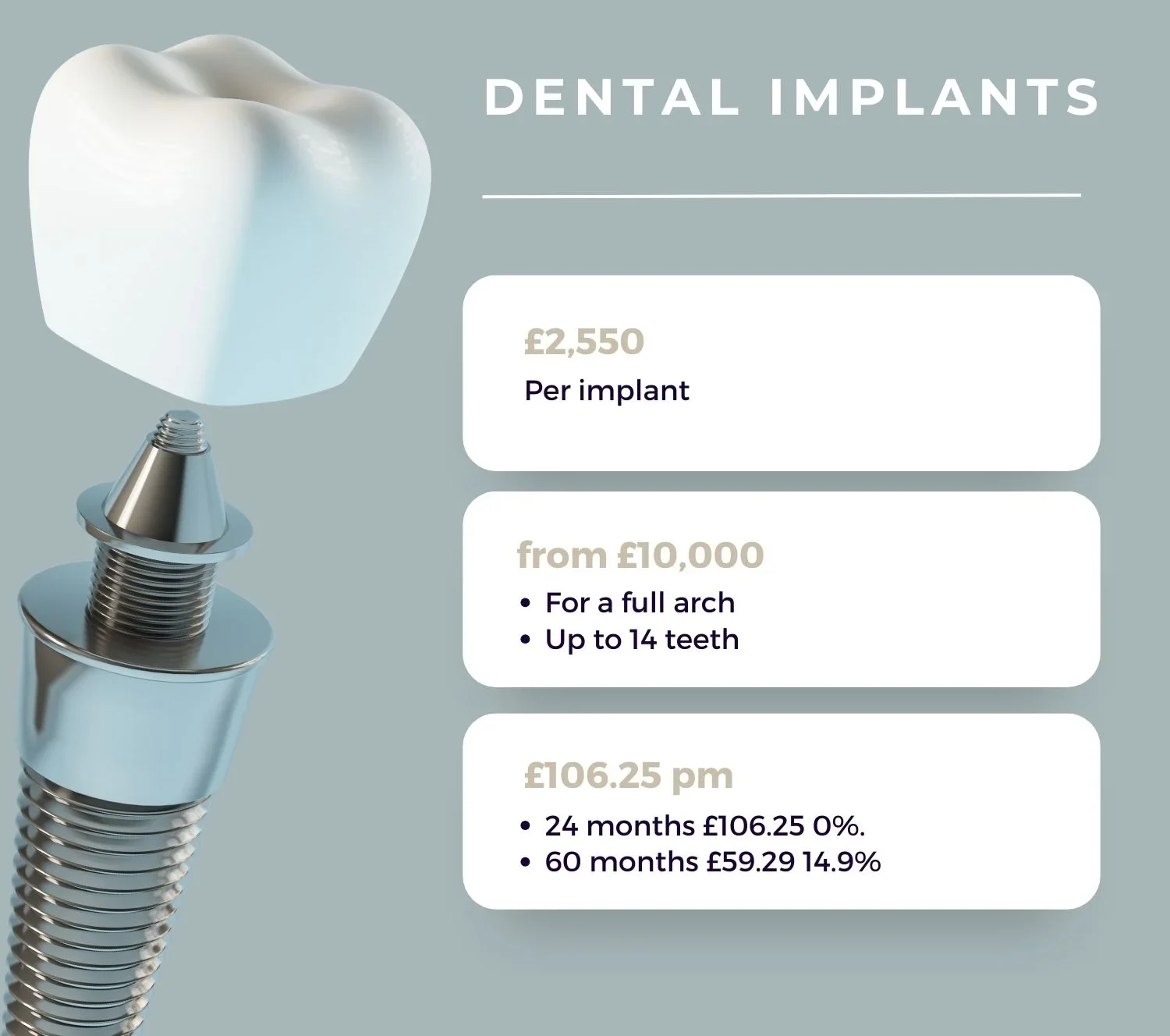
- Private Practice: The average cost of a single dental implant in the UK ranges from £2,000 to £3,000. This cost typically includes the implant, abutment, and crown.
While the NHS seems significantly cheaper upfront, eligibility is stringent, and additional costs may arise for procedures not fully covered. Private practices offer more flexibility but come at a higher initial cost.
Access, Waiting Times, and Inclusions
Access and waiting times are significant factors to consider:
- NHS: Access is limited to those meeting strict medical necessity criteria, and waiting lists can be long, often stretching several months or even years.
- Private Practice: Access is generally quicker, with shorter waiting times and more flexible scheduling.
In terms of what’s included:
- NHS: Coverage is typically limited to the basic implant procedure, and may not include advanced techniques or materials.
- Private Practice: Offers a wider range of options, including different types of implants, materials (e.g., zirconia implants), and cosmetic enhancements.
Typical Price for Dental Implants in the UK (Outside NHS)
If you’re considering dental implants outside the NHS, understanding the dental implants price UK is vital for budgeting and planning. Here’s a breakdown of average costs in private practices:
Average Private Costs: Single, Multiple, and Full Mouth Implants
The cost of dental implants can vary widely based on the number of implants needed and the complexity of the case:
- Single Implant: £2,000 – £3,500
- Multiple Implants: £4,000 – £10,000 (depending on the number of implants and if bridges are involved)
- Full Mouth Dental Implants: £10,000 – £30,000 (depending on the technique used, such as All-on-4 or individual implants)
These figures are estimates and can fluctuate based on several factors.
Regional Price Variations
Dental implant costs can vary depending on where you are in the UK. Generally, London and the South East tend to have higher prices compared to the North of England or Wales. For example, a single implant in London might cost £3,500, while the same procedure in Manchester could be around £2,500.
Factors Influencing Pricing
Several factors can influence the pricing of dental implants:
- Materials Used: The type of implant (titanium vs. zirconia), the crown material (porcelain, ceramic, etc.), and the abutment material can all impact cost.
- Experience and Expertise: Dentists with more experience and advanced qualifications may charge higher fees.
- Clinic Location and Overhead: Clinics in prime locations with higher overhead costs may have higher prices.
- Technology and Equipment: Clinics that invest in advanced technology, such as 3D scanning and CAD/CAM systems, may charge more.
Alternatives to NHS Dental Implants
If NHS dental implants aren’t an option due to eligibility or waiting times, or if private dental implants in the UK are too expensive, what are the alternatives to NHS dental implants?
Bridges and Dentures
Traditional alternatives to dental implants include:
- Dental Bridges: These involve anchoring a false tooth to adjacent natural teeth. They are less expensive than implants but require altering the supporting teeth and don’t prevent bone loss.
- Dentures: Removable appliances that replace missing teeth. While they are the most affordable option, they can be uncomfortable, affect speech and eating, and don’t prevent bone loss.
Affordable Dental Implants Abroad
Many UK residents are turning to dental tourism to access more affordable dental implants UK. Countries like Albania offer high-quality dental care at significantly lower prices.
For example, at Albania Dental Implants, a single dental implant can cost as little as €600, including the implant, abutment, and crown. This is a fraction of the cost in the UK, even when factoring in travel and accommodation expenses. Albania Dental Implants provides services to patients to the highest standerds.
Payment Plans and Dental Finance
To make dental implants more accessible, many private practices and dental tourism providers offer:
- Payment Plans: Spreading the cost of treatment over several months or years.
- Dental Finance: Loans specifically designed to cover dental treatments.
Cost of Full Mouth Dental Implants UK
For individuals missing most or all of their teeth, full mouth dental implants can be a life-changing solution. However, understanding the cost of full mouth dental implants UK is crucial.
Total Costs for Major/Complex Cases
The total cost of full mouth dental implants depends on the technique used and the complexity of the case:
- All-on-4 Implants: This technique involves placing four implants in each arch to support a full set of teeth. The cost typically ranges from £10,000 to £18,000 per arch.
- Individual Implants: Replacing each missing tooth with an individual implant is more expensive, ranging from £20,000 to £40,000 per arch.
NHS Provision vs Private Cost
The NHS rarely covers full mouth dental implants unless there is a very specific medical need, such as reconstruction following cancer surgery. In most cases, patients must seek private treatment. However, traveling abroad can significantly reduce costs; the cost of dental implants in Albania is lower.
FAQs About Dental Implants on the NHS
Understanding the intricacies of getting dental implants on the NHS can be confusing. Here are some frequently asked questions to clarify the process and options.
Can you get free dental implants on the NHS?
Completely free dental implants on the NHS are rare. The NHS primarily provides implants based on medical necessity, not cosmetic reasons. Eligibility is stringent, and even if approved, there may be copays and costs for additional procedures.
Who qualifies for dental implants on the NHS?
To qualify for NHS dental implants, you typically need to have lost teeth due to trauma, congenital conditions, or medical necessity (e.g., cancer treatment). Your dentist or a specialist can assess your specific case.
What is Band 3 dental treatment and does it cover implants?
Band 3 dental treatment on the NHS includes complex procedures like crowns, dentures, and bridges. While dental implants fall under this band, being in Band 3 doesn’t guarantee coverage. The NHS has strict criteria for implant eligibility.
How long is the NHS waiting list for dental implants?
The NHS waiting list for dental implants can be quite long, often stretching several months or even years, due to high demand and limited funding. The exact waiting time varies depending on your location and the specific circumstances of your case.
How much is a single dental implant privately?
A single dental implant in the UK typically costs between £2,000 and £3,500 in a private practice. This cost usually includes the implant, abutment, and crown.
What are the cheapest alternatives to NHS dental implants?
Cheaper alternatives to NHS dental implants include:
- Dentures: Removable appliances that replace missing teeth.
- Dental Bridges: Anchoring a false tooth to adjacent natural teeth.
- Dental Tourism: Seeking treatment in countries like Albania, where dental costs are significantly lower.
Does NHS dental care ever cover cosmetic implants?
No, NHS dental care does not typically cover cosmetic implants. The NHS focuses on treatments that are medically necessary to restore function and health, rather than purely aesthetic improvements.
Why are dental implants so expensive in the UK?
Dental implants are expensive in the UK due to several factors:
- High Cost of Materials: The materials used for implants (titanium, zirconia) are costly.
- Specialized Training and Expertise: Dentists need extensive training and expertise to perform implant procedures.
- Clinic Overhead: Running a dental clinic in the UK involves significant overhead costs.
Is there financial help for private dental implants in the UK?
Yes, there are several ways to get financial help for private dental implants in the UK:
- Payment Plans: Many dental practices offer payment plans to spread the cost over time.
- Dental Finance: Loans specifically designed to cover dental treatments.
- Charities and Grants: Some charities and organizations offer grants for dental care, but these are often limited and based on specific criteria.
Do NHS dental implants look and function like private ones?
The functionality of NHS dental implants should be similar to private ones, as the basic principles of implant placement are the same. However, the aesthetic outcome might differ. Private practices often offer a wider range of materials and techniques, allowing for more customized and natural-looking results.
Conclusion – Is It Worth Pursuing Dental Implants on the NHS?
Deciding whether to pursue dental implants on the NHS is a personal choice that depends on your eligibility, financial situation, and priorities. While the NHS offers a more affordable option for those who qualify, access is limited and waiting times can be long. As i helped a client with dental problems i suggested this options.
Recap of Key Takeaways
- NHS dental implants are primarily available for medical necessity, not cosmetic reasons.
- The patient copay for NHS implants is typically the Band 3 charge (£319.10 as of 2024), but additional costs may arise.
- Private dental implants offer quicker access and a wider range of options but come at a higher cost.
- Alternatives to NHS implants include dentures, bridges, and dental tourism.
Choosing NHS vs Private Care
If you meet the NHS eligibility criteria and are willing to wait, pursuing implants through the NHS can be a cost-effective option. However, if you need implants urgently, desire more aesthetic customization, or don’t qualify for NHS treatment, private care might be the better choice.
Exploring options like dental tourism in Albania with Albania Dental Implants can also provide a high-quality, affordable alternative to private care in the UK.
Next Steps for Patients
- Consult with Your Dentist: Discuss your eligibility for NHS dental implants and explore alternative options.
- Get a Specialist Assessment: If considering private implants, get a consultation with a specialist to assess your needs and provide a detailed treatment plan.
- Research Financing Options: Explore payment plans, dental finance, and potential grants to make implants more affordable.
- Consider Dental Tourism: If cost is a major concern, research reputable dental tourism providers like Albania Dental Implants to explore lower-cost options without sacrificing quality.
By carefully evaluating your options and taking proactive steps, you can achieve a healthy, functional, and confident smile with dental implants.