



What is a Tooth Implant? Your Comprehensive Guide to Modern Tooth Replacement
What is a tooth implant? A tooth implant is a permanent replacement option for missing teeth that mimics the look and function of a natural tooth. At Albania Dental Implants, we specialize in providing high-quality and affordable Albania Dental Implants, helping patients restore their smiles and confidence.
How Does a Dental Implant Work? Understanding the Dental Implant Procedure
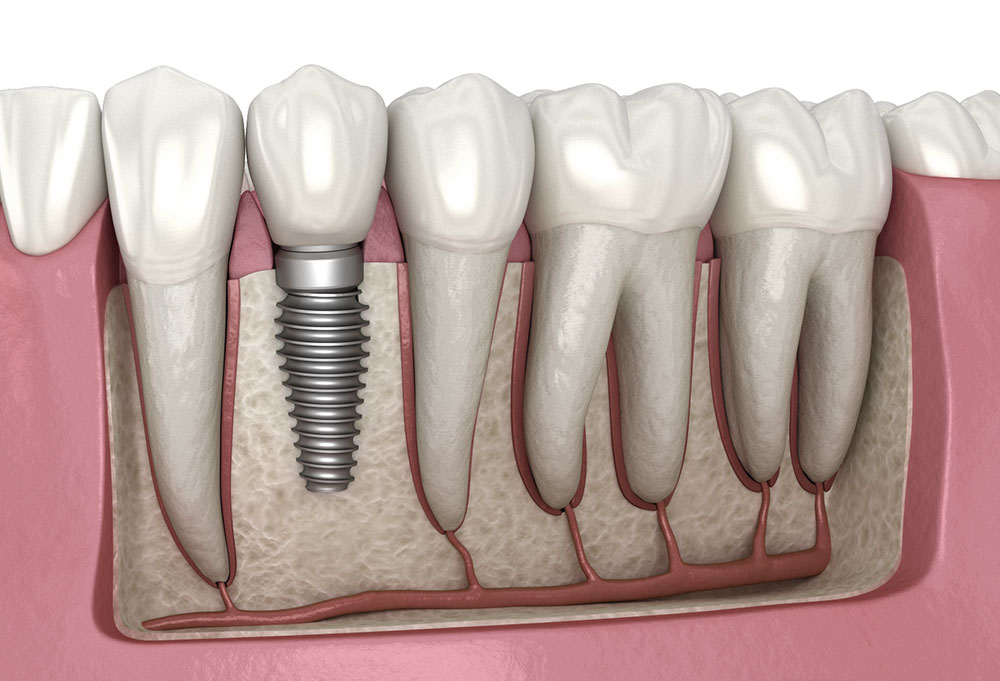
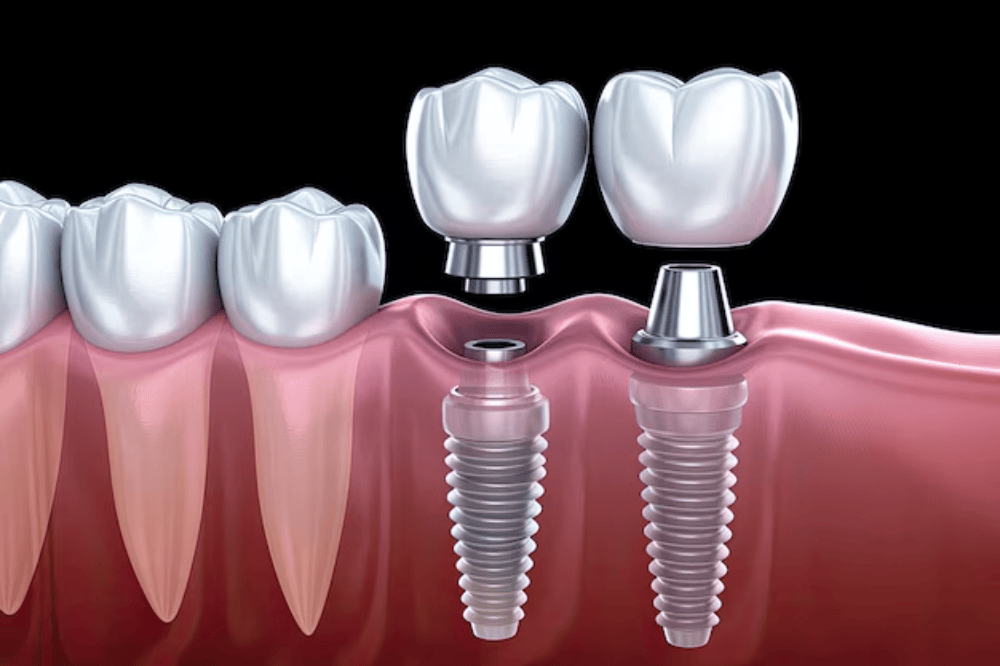
The dental implant procedure involves several key components working together to create a lasting solution for missing teeth. A dental implant consists of three main parts: the titanium post, the abutment, and the crown. The titanium post serves as the artificial tooth root, providing a stable foundation for the replacement tooth. The abutment connects the titanium post to the crown, which is the visible part of the implant that looks and functions like a natural tooth.
Osseointegration: The Key to Implant Success
Osseointegration is the process by which the titanium post fuses with the jawbone, creating a strong and permanent bond. This process is crucial for the long-term success of the dental implant. Once osseointegration is complete, the implant becomes a solid anchor for the abutment and crown, providing stability and support for chewing and speaking.
The Step-by-Step Dental Implant Procedure
- Initial Consultation and Evaluation: The dentist assesses the patient’s oral health and determines if they are a suitable candidate for dental implants. This may involve X-rays and CT scans to evaluate the jawbone.
- Implant Placement: The titanium post is surgically implanted into the jawbone. This is typically done under local anesthesia.
- Healing Period: The implant is allowed to heal and fuse with the jawbone through osseointegration, which can take several months.
- Abutment Placement: Once osseointegration is complete, the abutment is attached to the titanium post.
- Crown Placement: A custom-made crown is attached to the abutment, completing the dental implant process.
Many patients ask, What happens during a dental implant procedure? In short it involves careful planning, surgical placement of a titanium post, a healing period for osseointegration, and the attachment of a custom-made crown. Our Albania Dental Implants Services includes a detailed explanation to guide our patients through the procedure ensuring a successful outcome.
Types of Dental Implants: Endosteal vs Subperiosteal
When considering types of dental implants, it’s essential to understand the different options available. The two primary types of dental implants are endosteal and subperiosteal. Endosteal implants are the most common type, where the implant is placed directly into the jawbone. Subperiosteal implants, on the other hand, are placed on top of the jawbone but under the gum tissue.
Endosteal Implants: The Most Common Choice
Endosteal implants are suitable for most patients who have a healthy jawbone. These implants are typically made of titanium and are shaped like small screws or cylinders. They are surgically placed into the jawbone, and once osseointegration is complete, they provide a strong and stable foundation for the replacement tooth.
Subperiosteal Implants: An Alternative for Insufficient Bone
Subperiosteal implants are an alternative option for patients who have insufficient bone height or density to support endosteal implants. Instead of being placed into the jawbone, these implants are placed on top of the bone but under the gum tissue. A metal framework is fitted to the jawbone, and posts protrude through the gums to support the replacement tooth. Although less common than endosteal implants, subperiosteal implants can be a viable solution for certain patients.
Single Tooth Implant vs Multiple Tooth/Implant-Supported Bridge
Dental implants can be used to replace a single missing tooth or multiple missing teeth. A single tooth implant involves placing one implant for each missing tooth. For multiple missing teeth, an implant-supported bridge can be used. This involves placing implants at each end of the gap and attaching a bridge to these implants, effectively replacing the missing teeth in between.
At Albania Dental Implants, we offer both single tooth implants in albania and multiple implants with bridges in albania, tailoring the treatment plan to meet your specific needs.
Benefits of Dental Implants: A Long-Term Solution
The benefits of dental implants extend far beyond just replacing a missing tooth. Dental implants offer numerous advantages for your oral health, aesthetics, and overall quality of life.
Preserve Bone Health: Prevent Bone Loss
One of the most significant benefits of dental implants is their ability to preserve bone health. When a tooth is lost, the surrounding bone begins to deteriorate due to lack of stimulation. Dental implants provide this stimulation, preventing bone loss and maintaining the natural structure of the jawbone. This is especially important for long-term oral health and facial aesthetics.
Improve Aesthetics and Function: Restore Your Smile
Dental implants look and function like natural teeth, providing a seamless and natural-looking solution for missing teeth. They can improve your smile’s aesthetics, boost your confidence, and restore your ability to chew and speak comfortably. Unlike dentures, dental implants are securely anchored in the jawbone, providing stability and eliminating the risk of slipping or shifting.
Durability and Longevity: A Lasting Investment
Dental implants are a durable and long-lasting investment in your oral health. With proper care and maintenance, dental implants can last for many years, if not a lifetime. This makes them a cost-effective solution in the long run compared to other tooth replacement options like dentures or bridges, which may need to be replaced periodically. Many patients want to know, Are dental implants worth the cost? Considering the long-term benefits and durability, most patients find dental implants to be a worthwhile investment in their oral health and overall well-being.
Risks and Considerations: Ensuring a Successful Implant
While dental implants are generally safe and effective, it’s essential to be aware of the risks of dental implants and considerations associated with the procedure. Understanding these potential complications can help you make an informed decision and take steps to minimize your risk.
Possible Complications: Infection, Rejection, Nerve Damage
Like any surgical procedure, dental implants carry some risk of complications. These can include infection at the implant site, rejection of the implant by the body, nerve damage, and sinus problems. However, these complications are relatively rare and can often be prevented with proper planning, skilled surgical technique, and diligent post-operative care.
Suitability: Who is a Good Candidate?
Not everyone is a good candidate for dental implants. Factors that can affect suitability include overall health, bone density, smoking, and certain medical conditions like diabetes. A thorough evaluation by a qualified dentist is essential to determine if you are a good candidate for dental implants. Patients often ask, Are tooth implants safe for everyone? While dental implants are generally safe, certain medical conditions and lifestyle factors can make individuals unsuitable candidates.
If you are considering dental implants, its best to discuss suitability and alternative options to contact Albania Dental Implants and book a consultation to discuss your specific needs.
Dental Implant Cost in the UK: Factors and Options
The dental implant cost in the UK can vary significantly depending on several factors. Understanding these factors can help you budget for the procedure and explore different options to make it more affordable.
Average Price Range: What to Expect
The average price range for a single dental implant in the UK typically falls between £2,000 and £4,000. This cost includes the implant post, abutment, and crown. However, the total cost can vary depending on the complexity of the case and any additional procedures that may be required, such as bone grafting or sinus lifts.
Key Factors Affecting Cost: Complexity, Location, Material
Several key factors can affect the cost of dental implants. These include:
- Procedure Complexity: More complex cases that require additional procedures, such as bone grafting or sinus lifts, will typically cost more.
- Location: The cost of dental implants can vary depending on the location of the dental clinic. Clinics in larger cities or more affluent areas may charge higher fees.
- Material: The type of material used for the implant post, abutment, and crown can also affect the cost. For example, zirconia implants may be more expensive than traditional titanium implants.
When considering the price, many potential patients ask, How much does a dental implant cost in the UK? The cost depends on the complexity of the case, the location of the clinic, and the materials used.
NHS vs Private Options: Exploring Your Choices
While dental implants are not typically covered by the NHS, there may be some exceptions in cases of medical necessity. However, most patients opt for private dental care. Private dental clinics offer a wider range of implant options and may provide financing plans to help make the procedure more affordable. Albania Dental Implants offers high-quality dental implants at a significantly lower cost compared to private clinics in the UK. This makes dental tourism a viable option for those seeking affordable dental care.
Tooth Implant vs Bridge: What’s the Difference?
When considering options for replacing a missing tooth, it’s essential to understand the difference between a tooth implant vs bridge. Both dental implants and bridges are common solutions, but they have different procedures, durability, and long-term oral health implications.
Comparison of Procedure, Durability, Long-Term Oral Health Implications
A dental implant involves surgically placing a titanium post into the jawbone, which then fuses with the bone through osseointegration. A dental bridge, on the other hand, involves anchoring a false tooth to the adjacent teeth, which are typically crowned to provide support. Dental implants are more durable and can last a lifetime with proper care, while bridges typically need to be replaced every 10-15 years. Dental implants also promote long-term oral health by preventing bone loss, while bridges do not provide this benefit.
Who Should Choose Which? Making the Right Decision
The choice between a dental implant and a bridge depends on individual circumstances and preferences. Dental implants are generally recommended for patients who have good overall health and sufficient bone density to support the implant. Bridges may be a better option for patients who have certain medical conditions that make them unsuitable for surgery or who cannot afford the higher cost of dental implants. Often, patients ask How does a tooth implant compare to other tooth replacement options? While bridges and dentures are alternatives, implants offer superior durability, aesthetics, and long-term oral health benefits.
Dental Implant Recovery: What to Expect After the Procedure
Dental implant recovery is an important aspect of the overall process. Understanding the typical healing timeline and following aftercare instructions can help ensure a successful outcome and minimize complications.
Typical Healing Timeline: From Surgery to Full Recovery
The typical healing timeline for dental implants varies from patient to patient, but it generally takes several months for osseointegration to complete. During the first few days after surgery, you may experience some pain, swelling, and bruising. These symptoms can be managed with pain medication and cold compresses. After the initial healing period, it can take several months for the implant to fully fuse with the jawbone.
Aftercare Instructions: Ensuring Proper Healing
Following aftercare instructions is crucial for proper healing and preventing complications. These instructions typically include:
- Taking pain medication as prescribed
- Applying cold compresses to reduce swelling
- Eating soft foods to avoid putting too much pressure on the implant site
- Avoiding smoking and alcohol
- Practicing good oral hygiene, including gentle brushing and flossing
When to Return to Work/Eating Normally: A Gradual Transition
Most patients can return to work within a few days after dental implant surgery. However, it’s essential to avoid strenuous activities that could disrupt the healing process. Eating normally can gradually resume as the implant site heals. Start with soft foods and gradually introduce harder foods as tolerated. Patients often ask, How long does it take to recover from a dental implant procedure? The recovery time varies, but most patients can return to normal activities within a few days, with complete healing taking several months.
Frequently Asked Questions About Tooth Implants
Here are some frequently asked questions about tooth implants to help you better understand the procedure and its benefits.
How long does a tooth implant last?
A tooth implant can last for many years, if not a lifetime, with proper care and maintenance. The longevity of a dental implant depends on factors such as oral hygiene, overall health, and lifestyle habits. Regular dental checkups and cleanings are essential for ensuring the long-term success of your dental implant.
Are tooth implants safe for everyone?
While dental implants are generally safe, they may not be suitable for everyone. Certain medical conditions, such as uncontrolled diabetes or severe immune deficiencies, can increase the risk of complications. A thorough evaluation by a qualified dentist is essential to determine if you are a good candidate for dental implants. To understand if this option is best for you, read here “Who is not suitable for implants?” and talk with a dentist.
Is the dental implant procedure painful?
The dental implant procedure is typically performed under local anesthesia, so you should not feel any pain during the surgery. Some discomfort is normal after the procedure, but this can be managed with pain medication. Most patients report that the pain is manageable and subsides within a few days.
How do I care for a tooth implant?
Caring for a tooth implant is similar to caring for natural teeth. You should brush and floss daily, and visit your dentist for regular checkups and cleanings. It’s also important to avoid habits that can damage your dental implant, such as smoking and chewing on hard objects.
Can I get a tooth implant on the NHS?
While dental implants are not typically covered by the NHS, there may be some exceptions in cases of medical necessity. You can read here “Can You Get Implants on a NHS Dentist?” However, most patients opt for private dental care. Private dental clinics offer a wider range of implant options and may provide financing plans to help make the procedure more affordable.
What happens if a dental implant fails?
Although rare, dental implants can fail due to infection, rejection, or other complications. If a dental implant fails, it can typically be replaced with another implant after addressing the underlying issue. It’s important to seek prompt treatment if you experience any signs of implant failure, such as pain, swelling, or loosening of the implant.
How soon after tooth extraction can I get an implant?
The timing for placing an implant after tooth extraction depends on individual circumstances. In some cases, an implant can be placed immediately after extraction, while in other cases, it may be necessary to wait several months for the extraction site to heal. Your dentist can advise you on the best timing for your specific situation.
At Albania Dental Implants, we understand that each patient’s situation is unique, and we tailor the treatment plan to best fit your needs.
Conclusion: Restore Your Smile and Confidence with Dental Implants
Dental implants offer a permanent, natural-looking solution for missing teeth, providing numerous benefits for your oral health, aesthetics, and overall quality of life. If you’re considering dental implants, we encourage you to contact Albania Dental Implants to schedule a consultation and learn more about our affordable, high-quality dental implant services. Restore your smile and confidence today!
Ready to take the first step towards a confident, healthy smile? Contact Albania Dental Implants today to schedule your consultation and discover how affordable dental tourism can transform your life.





