



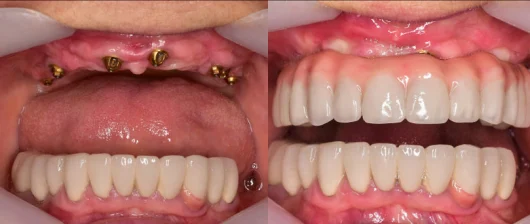

Do gums have to be cut for implants is a common concern for patients considering dental implant surgery. Understanding the necessity of gum incisions, as well as available alternatives, can alleviate anxiety and empower you to make informed decisions about your journey to a restored smile. At Albania Dental Implants, we believe that patient education is key, and we are committed to providing clear, comprehensive information about all aspects of the dental implant process. Contact us today to explore options to find out how we can help.
Understanding Gum Involvement in Dental Implant Procedures
Dental implants are a popular and effective solution for replacing missing teeth, offering a long-lasting and natural-looking result. During the dental implant procedure, access to the jawbone is needed to insert the implant. This often involves addressing the gums to ensure proper implant placement and integration. Getting started with implant surgery begins with understanding the basics. But why is gum access needed and how does it relate to dental implants?
The Role of Gums in the Dental Implant Process
The gums play a crucial role in protecting the underlying bone and supporting the teeth. When a tooth is lost, the surrounding gum tissue and bone can begin to recede. Accessing the gums is essential for:
- Visualizing the implant site: The dentist needs a clear view of the jawbone to accurately place the implant.
- Ensuring proper implant stability: Adequate bone support is crucial for long-term implant success.
- Promoting healthy gum tissue integration: The gums need to heal properly around the implant to prevent infection and maintain aesthetics.
Gum Incision vs. Flapless Techniques
While traditional dental implant surgery often involves cutting the gums to create a flap and expose the jawbone, advancements in technology have allowed for alternative approaches.
- Traditional methods: These involve making an incision to reflect the gum tissue, providing a wider field of vision and greater access to the bone.
- Flapless techniques: These minimally invasive procedures involve placing the implant through a small hole in the gums, avoiding the need for extensive cutting and suturing.
What Happens to Your Gums During Dental Implant Surgery?
During the dental implant procedure, the gums might require an incision. Understanding surgical steps like bone grafting in albania is critical. Whether a gum incision is necessary depends on various factors, including the chosen surgical technique, bone density, and the location of the implant site. Let’s take a closer look at the gum involvement in the implant process.
Detailed Explanation of the Standard Surgical Procedure
In traditional dental implant surgery, the following steps involving the gums are typically performed:
- Anesthesia: Local anesthesia is administered to numb the area and ensure a pain-free procedure.
- Incision: A small incision is made in the gum tissue at the implant site.
- Reflection of gum tissue: The gum tissue is carefully lifted and reflected to expose the underlying jawbone. This creates a “flap.”
- Access to the jawbone: The dentist gains a clear view of the bone and prepares the implant site by creating a small pilot hole.
- Implant placement: The dental implant is carefully inserted into the prepared site.
- Suturing: The gum tissue is repositioned around the implant and sutured in place.
These steps provide the dentist with the necessary access and visibility to ensure accurate implant placement and long-term stability. At Albania Dental Implants, we prioritize precision in surgical steps.
Alternative Approaches: Flapless vs. Traditional Methods
While the traditional approach is still widely used, flapless implant techniques offer a less invasive alternative. Here’s how they compare:
- Flapless implant techniques: In this approach, a small, circular hole is created in the gums using specialized instruments. The implant is then placed directly through this hole without the need for a gum flap.
- Traditional methods: As described above, these involve a larger incision, gum flap, and suturing.
The choice between flapless and traditional methods depends on individual patient factors and the dentist’s expertise.
Are There Alternatives to Cutting the Gums for Implants?
Yes, there are alternatives to cutting the gums for implants. These alternatives leverage minimally invasive implants, often called flapless technique, and other technological advances. These innovative approaches aim to reduce trauma, improve healing times, and enhance patient comfort. Keyhole surgery is another way to say minimally invasive surgery.
Description of Less Invasive Techniques
Minimally invasive techniques, such as flapless surgery, offer several advantages over traditional methods.
- Reduced trauma: By avoiding large incisions and gum flaps, these techniques minimize damage to surrounding tissues.
- Faster healing: Smaller incisions result in quicker healing times and reduced post-operative discomfort.
- Improved aesthetics: Minimally invasive techniques can preserve more of the natural gum tissue, leading to a more aesthetically pleasing result.
When Are Less Invasive Techniques Used?
Less invasive techniques are not suitable for all patients. They are typically considered when:
- Adequate bone volume is present: The jawbone must have sufficient density and volume to support the implant without the need for bone grafting.
- The gums are healthy: The gums should be free of inflammation and infection.
- The implant site is easily accessible: The dentist must be able to visualize and access the implant site without the need for a gum flap.
Good candidates may even be able to benefit from immediate loading dental implants in albania.
Pros and Cons of Not Cutting the Gums
Choosing between cutting and not cutting the gums involves weighing the pros and cons of each approach.
Pros of not cutting the gums:
- Less pain and swelling.
- Faster healing times.
- Reduced risk of complications.
- Improved aesthetic outcomes.
Cons of not cutting the gums:
- Limited visibility.
- Potential for less precise implant placement.
- Not suitable for all patients.
Ultimately, the best approach depends on the individual patient’s needs and the dentist’s expertise.
What Are the Risks and Benefits of Cutting the Gums for Dental Implants?
When considering a surgical procedure like dental implants, weighing the risks and benefits is crucial for making an informed decision. Cutting the gums, or creating a gum flap, during implant surgery has both advantages and disadvantages that can affect healing time, long-term outcomes, and the overall patient experience. Factors like infection risk, pain, and swelling are all considerations.
How Gum Incisions Affect Recovery and Results
Gum incisions, while sometimes necessary, can impact recovery in several ways.
- Increased healing time: Incisions require time to heal, potentially prolonging the overall recovery period.
- More pain and swelling: Cutting the gums can lead to increased post-operative pain, swelling, and discomfort.
- Higher risk of infection: Incisions can create entry points for bacteria, increasing the risk of infection.
The Role of Gum Incisions in Implant Stability and Accurate Placement
Despite the potential drawbacks, gum incisions play a vital role in ensuring implant stability and accurate placement.
- Improved visibility: Incisions provide a clearer view of the jawbone, allowing the dentist to precisely position the implant.
- Better access for bone grafting: If bone grafting is needed to augment the jawbone, a gum flap provides better access to the site. bone grafting in albania ensures proper placement for a dental implant.
- Enhanced gum tissue management: Incisions allow the dentist to manipulate the gum tissue for optimal aesthetic results.
Ensuring the longevity of dental implants requires stability and accuracy.
How Long Does it Take for Gums to Heal After Implant Surgery?
Understanding the recovery timeline following implant surgery is crucial for managing expectations and ensuring a smooth healing process. The time it takes for gums to heal can vary depending on whether a gum cut was necessary during the procedure, as well as individual factors and adherence to post-op care instructions. Proper pain management is also needed.
Typical Healing Times With and Without a Gum Cut
With a Gum Cut:
- Initial healing (1-2 weeks): The initial healing period typically lasts for one to two weeks, during which time the incision site will be tender and may exhibit some swelling and bruising.
- Suture removal (7-10 days): Sutures are usually removed within 7 to 10 days after surgery.
- Complete gum tissue healing (3-6 months): Complete healing of the gum tissue can take several months, as the gums need time to fully integrate with the implant.
Without a Gum Cut (Flapless Surgery):
- Initial healing (few days to 1 week): With flapless surgery, the initial healing period is typically shorter, with minimal discomfort and swelling.
- No sutures required: Because there is no incision, sutures are not needed.
- Faster gum tissue healing (1-3 months): The gums tend to heal faster with flapless surgery, as there is less tissue trauma.
Guidance on Post-Procedure Gum Care
Proper gum care after implant surgery is essential for promoting healing and preventing complications.
- Gentle oral hygiene: Brush gently around the implant site with a soft-bristled toothbrush.
- Saltwater rinses: Rinse your mouth with warm saltwater several times a day to keep the area clean and reduce inflammation.
- Avoid smoking: Smoking can impair healing and increase the risk of implant failure.
- Follow dietary restrictions: Stick to soft foods and avoid chewing directly on the implant site during the initial healing period.
- Attend follow-up appointments: Regular check-ups with your dentist are essential to monitor healing and ensure proper implant integration.
What Should You Expect During and After Your Dental Implant Procedure?
Navigating the dental implant process can feel overwhelming, but understanding what to expect can ease anxiety and empower you to make informed decisions. From the initial consultation to post-operative care, knowing the steps involved will help you prepare for a smooth and successful experience. Your patient experience is critical.
Step-by-Step Explanation from Surgery to Recovery
During Surgery:
- Anesthesia: Your dentist will administer local anesthesia to numb the treatment area. In some cases, sedation may be used to further enhance relaxation. Are you put to sleep for dental implants?
- Gum incision (if applicable): If a gum flap is necessary, the dentist will make a small incision to expose the jawbone.
- Implant placement: The dental implant is carefully inserted into the prepared site in the jawbone.
- Suturing (if applicable): If an incision was made, the gum tissue will be repositioned and sutured in place.
After Surgery:
- Immediate post-operative care: You’ll receive instructions on how to care for the surgical site, manage pain, and control swelling.
- Pain management: Over-the-counter or prescription pain medications can help alleviate discomfort.
- Dietary restrictions: You’ll need to follow a soft food diet for the first few days or weeks to avoid irritating the surgical site.
- Healing period: The healing process can take several months, during which time the implant will fuse with the jawbone.
- Abutment placement: Once the implant has fully integrated, an abutment (connector) will be attached to the implant.
- Crown placement: Finally, a custom-made crown will be attached to the abutment, completing the restoration.
Tips for Faster and More Comfortable Healing
To promote faster and more comfortable healing:
- Follow your dentist’s instructions carefully.
- Maintain excellent oral hygiene.
- Avoid smoking and alcohol.
- Eat a nutritious diet.
- Get plenty of rest.
- Attend all follow-up appointments.
Be sure to ask your dentist about any signs of complications.
Who is a Good Candidate for Minimally Invasive (Flapless) Implant Placement?
Minimally invasive implant placement, also known as flapless surgery, offers several benefits, including reduced trauma, faster healing, and improved aesthetics. However, not everyone is a suitable candidate for this technique. Several factors determine whether a patient is a good fit for minimally invasive implant placement. Patient assessment, bone quality, and imaging requirements are important aspects of candidacy.
Criteria Dentists Use to Decide Which Technique is Suitable
Dentists use a variety of criteria to determine whether a patient is a good candidate for minimally invasive implant placement:
- Adequate bone volume: The jawbone must have sufficient density and volume to support the implant without the need for bone grafting.
- Healthy gums: The gums should be free of inflammation and infection.
- Favorable implant site: The implant site should be easily accessible and have sufficient space for implant placement.
- Accurate diagnosis and planning: Precise imaging and planning are essential to ensure accurate implant placement.
Before dental tourism in albania, be sure to consider your candidacy with a local dentist.
The Importance of a Thorough Patient Assessment
A thorough patient assessment is crucial for determining the most appropriate implant technique. This assessment typically includes:
- Medical history: The dentist will review your medical history to identify any conditions that may affect implant success.
- Dental examination: A comprehensive dental examination will be performed to assess the health of your teeth, gums, and jawbone.
- Imaging: X-rays or CT scans will be taken to evaluate bone density and identify any anatomical limitations.
By carefully evaluating these factors, dentists can determine whether minimally invasive implant placement is a viable option for their patients.
FAQ Section
Do gums have to be cut for implants?
Not always. Traditional dental implant surgery often involves cutting the gums to create a flap for better access and visibility. However, minimally invasive techniques, such as flapless surgery, can be used in certain cases to avoid gum incisions. The need for a gum cut depends on factors such as bone density, gum health, and the location of the implant site.
Is dental implant surgery painful?
Most patients report that dental implant surgery is less painful than they anticipated. Local anesthesia is used to numb the treatment area, ensuring a pain-free procedure. Some post-operative discomfort, such as soreness and swelling, is normal but can be managed with over-the-counter or prescription pain medications.
How long does gum healing take after implant placement?
Gum healing time varies depending on whether a gum cut was necessary during the procedure. With traditional surgery involving a gum flap, complete gum tissue healing can take 3-6 months. With flapless surgery, the gums tend to heal faster, typically within 1-3 months.
Are there options for dental implants without cutting the gums?
Yes, minimally invasive techniques, such as flapless surgery, offer an option for dental implants without cutting the gums. These techniques involve creating a small hole in the gums and placing the implant through this hole. Flapless surgery is not suitable for all patients but can be a good option for those with adequate bone volume and healthy gums.
What happens if gums don’t heal properly after implant surgery?
If gums don’t heal properly after implant surgery, it can lead to complications such as infection, inflammation, and implant failure. Poor gum healing can compromise the stability and aesthetics of the implant. It’s essential to follow your dentist’s post-operative instructions carefully and attend all follow-up appointments to monitor healing and address any issues promptly.
Is the result better if the gums are cut or not cut?
The outcome of dental implant surgery depends on various factors, including the skill of the surgeon, the patient’s overall health, and the chosen technique. Whether the gums are cut or not cut does not necessarily determine the quality of the result. In some cases, cutting the gums may be necessary to achieve optimal implant placement and aesthetic results. In other cases, flapless surgery may provide excellent results with less trauma and faster healing.
What is a ‘flapless’ dental implant technique?
A ‘flapless’ dental implant technique is a minimally invasive approach that avoids the need for a gum flap. Instead of making a large incision, the dentist creates a small, circular hole in the gums and places the implant through this hole. Flapless surgery can reduce trauma, improve healing times, and enhance patient comfort.
Can immediate implants avoid gum surgery?
Immediate implants, where a dental implant is placed immediately after tooth extraction, can sometimes avoid gum surgery. If the extraction site has sufficient bone volume and healthy gums, a flapless approach may be possible. However, in other cases, gum surgery may still be necessary to ensure proper implant placement and bone grafting, if needed.
How much gum is affected during implant surgery?
The amount of gum affected during implant surgery varies depending on the chosen technique. Traditional surgery with a gum flap involves a larger incision and more tissue manipulation. Minimally invasive techniques, such as flapless surgery, affect less gum tissue, resulting in reduced trauma and faster healing.
Conclusion: Navigating Your Dental Implant Journey
Choosing dental implants to restore your smile is a significant decision, and understanding the nuances of gum involvement is crucial for a successful outcome. While traditional methods often involve cutting the gums to ensure precise implant placement, modern advancements offer minimally invasive alternatives that can minimize trauma and speed up healing. Remember to consult with a professional for finding a dental implant specialist.
Summary of Key Points
Let’s recap the main points:
- Gum incisions are not always necessary for dental implant surgery.
- Minimally invasive techniques offer an alternative to cutting the gums.
- The choice between cutting and not cutting the gums depends on individual patient factors.
- Proper gum care is essential for successful implant integration.
Next Steps: Consultation and Finding a Specialist
The best way to determine the right approach for your specific needs is to schedule a consultation with a qualified dental implant specialist. During this consultation, the dentist will:
- Assess your oral health.
- Evaluate your bone density.
- Discuss your treatment goals.
- Recommend the most appropriate implant technique.
At Albania Dental Implants, we are committed to providing personalized care and helping you achieve a confident, healthy smile. Contact albania dental implants today to schedule your consultation and learn more about our comprehensive dental implant services.





