




How much does it cost to replace a tooth in NHS? This is a question many people in the UK ask when faced with tooth loss and considering their options for restoring their smile.
The National Health Service (NHS) provides dental care, but the options and costs for tooth replacement can vary. This article provides a comprehensive overview of NHS dental care, focusing on tooth replacement options, costs, eligibility, and how it compares to private dental care. We also explore the benefits of considering dental tourism in Albania with Albania Dental Implants for more affordable solutions.
NHS Tooth Replacement Options
Understanding your NHS tooth replacement cost is essential for planning your dental care. The NHS offers several options for replacing missing teeth, each with its own advantages and suitability. The NHS dental treatment bands explained below outline the charges for these treatments.
Types of Tooth Replacement Available on the NHS
- Dentures: Removable appliances that replace missing teeth and surrounding tissues.
- Bridges: Fixed appliances that bridge the gap between missing teeth using adjacent teeth for support.
- Dental Implants: While not routinely available, they are sometimes offered in specific cases.
Which Treatments Are Routinely Available on the NHS?
Dentures and bridges are the most commonly provided tooth replacement options on the NHS. These treatments are usually available under NHS dental charges band 3, which covers more complex procedures.
NHS Dental Treatment Bands Explained
The NHS operates on a banding system for dental charges:
- Band 1 (£26.80): Covers examinations, diagnosis, advice, and preventative care like scaling and polishing.
- Band 2 (£73.50): Includes everything in Band 1, plus treatments like fillings, root canals, and extractions.
- Band 3 (£319.10): Covers everything in Bands 1 and 2, as well as more complex procedures such as dentures, bridges, and crowns.
What Is Included in NHS Dental Band 3 Charges?
Exploring the NHS dental charges band 3 helps you understand the extent of coverage for tooth replacement. Band 3 includes a range of treatments necessary for restoring your smile and dental function.
What Treatments Are Covered Under Band 3?
NHS dental band 3 covers a variety of treatments, including:
- Dentures: Both full and partial dentures are covered under this band.
- Bridges: Fixed bridges to replace one or more missing teeth.
- Crowns: Some crowns are included, especially if they are clinically necessary for the stability of a bridge or denture.
Set Cost for Band 3 (Current Price)
As of 2024, the set cost for NHS dental band 3 is £319.10. This price covers all the treatments included within this band, regardless of the number of appointments needed to complete the treatment. If you’re considering more extensive solutions, you might want to consider a full mouth reconstruction in Albania.
Dental Implant Cost on NHS
Understanding the dental implant cost on NHS is crucial if you are considering this advanced tooth replacement option. While dental implants offer a long-lasting solution, their availability on the NHS is limited.
Are Dental Implants Available on the NHS?
Generally, dental implants are not routinely available on the NHS. They are typically offered only in specific circumstances where there is a clear medical need.
NHS Eligibility Criteria for Implants
To be eligible for dental implants on the NHS, you usually need to meet strict criteria, such as:
- Medical Necessity: Implants may be considered if tooth loss is the result of trauma, cancer treatment, or a congenital condition.
- Significant Impact on Quality of Life: The tooth loss must severely affect your ability to eat, speak, or maintain oral hygiene.
When Might NHS Fund an Implant vs. Alternative Replacements?
The NHS might fund a dental implant if alternative replacements like dentures or bridges are unsuitable or have failed. The decision is made on a case-by-case basis, considering the patient’s overall health and specific needs. If you don’t qualify for NHS dental implants, there are alternatives to dental implants.
NHS Dentures and Bridges Costs
Examining the NHS dentures cost and dental bridge NHS cost provides insight into the affordability of these common tooth replacement options. The NHS offers these treatments under specific cost bands, making them accessible for many patients.
Comparing Costs and Suitability Under NHS
Both dentures and bridges fall under NHS dental band 3, which costs £319.10. The choice between dentures and bridges depends on factors such as:
- Number of Missing Teeth: Dentures are suitable for replacing multiple or all teeth, while bridges are better for replacing a few adjacent teeth.
- Condition of Adjacent Teeth: Bridges require healthy adjacent teeth for support, which may not always be available.
- Patient Preference: Some patients prefer the stability of a bridge, while others prefer the ease of cleaning offered by dentures.
If affordability is a concern, remember to research what is the cheapest option to replace missing teeth.
Who Is Eligible for Free NHS Tooth Replacement?
Understanding the eligibility for NHS dental treatment, including free tooth replacement, is essential for those on low incomes or in specific circumstances. The NHS provides free dental care to certain groups.
Who Gets Free Dental Treatment in the UK?
You may be eligible for free NHS dental treatment if you are:
- Under 18 years old.
- Pregnant or have had a baby in the last 12 months.
- Receiving certain benefits, such as Income Support, Income-based Jobseeker’s Allowance, Income-related Employment and Support Allowance, or Universal Credit (meeting specific criteria).
- Entitled to or named on a valid NHS Tax Credit Exemption Certificate.
- Receiving Pension Credit Guarantee Credit.
Low Income, Children, Pregnant Women, Other Exemptions
Specific exemptions apply to different groups. Children under 18 receive free dental care, while pregnant women and new mothers are exempt from charges for 12 months after the baby’s birth. Those on low incomes can apply for help with costs through the NHS Low Income Scheme.
NHS vs. Private Tooth Replacement Costs
Comparing private vs. NHS tooth replacement cost reveals significant differences in price, availability, and treatment options. Understanding these distinctions helps you make an informed decision.
Typical UK Private Charges for Implants, Dentures, Bridges
Private dental charges in the UK can vary widely, but typical costs are:
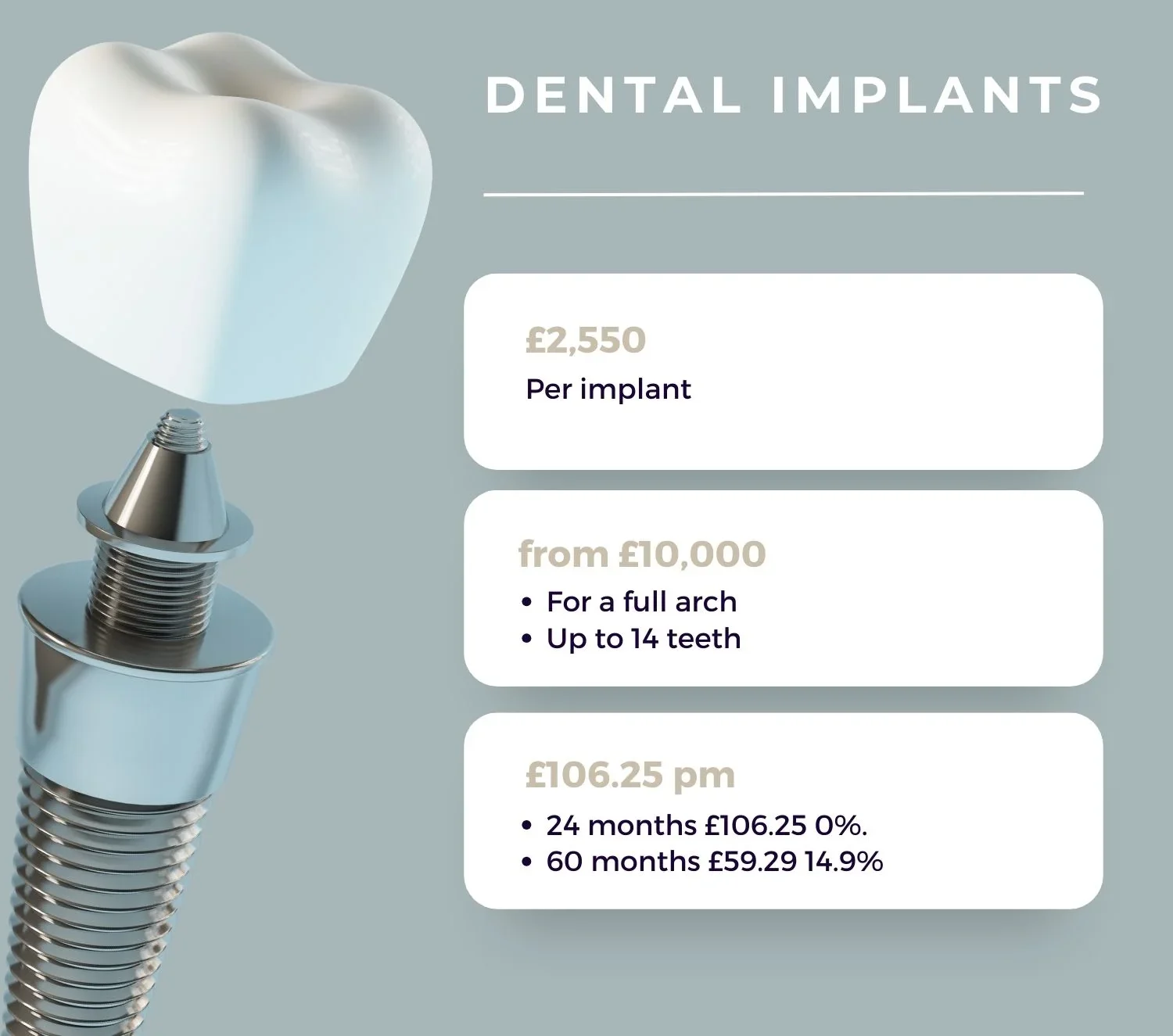
- Dental Implants: £2,500 – £4,000 per implant
- Dentures: £800 – £3,000 per set
- Bridges: £700 – £1,500 per unit
Pros and Cons: Cost, Availability, Waiting Times, Materials
NHS:
- Pros: Lower cost, accessible for eligible individuals.
- Cons: Limited availability of advanced treatments like implants, longer waiting times, and fewer material choices.
Private:
- Pros: Wider range of treatments, shorter waiting times, higher quality materials, and more personalized care.
- Cons: Higher costs, may not be affordable for everyone.
How to Get a Tooth Replaced on the NHS
Knowing how to get a tooth replaced on NHS is essential for navigating the process smoothly. The steps involve booking an appointment, getting a referral if necessary, and understanding what to expect during treatment.
Booking, Referral, What to Expect
- Find an NHS Dentist: Locate a dental practice that accepts NHS patients.
- Book an Appointment: Schedule an initial examination to assess your dental needs.
- Treatment Plan: The dentist will create a treatment plan and discuss the available options and associated costs.
- Referral (If Needed): For complex cases, the dentist may refer you to a specialist.
- Treatment: Follow the agreed-upon treatment plan, attending all necessary appointments.
Common Questions About Tooth Replacement on the NHS
Here are detailed answers to some frequently asked questions about tooth replacement on the NHS, helping you make informed decisions.
How Much Does It Cost to Replace a Tooth in NHS?
The cost to replace a tooth on the NHS depends on the treatment band. A single filling (Band 2) costs £73.50, while more complex treatments like dentures or bridges (Band 3) cost £319.10. Dental implants are rarely available, but if approved, the cost would fall under Band 3. If you’re concerned about affordability, investigate how can I fix my teeth if I don’t have money.
What Does NHS Dental Band 3 Cover?
NHS dental band 3 covers complex procedures like dentures, bridges, and some crowns. It includes all necessary appointments and treatments within the band, providing a comprehensive solution for significant dental issues.
Can I Get Dental Implants on the NHS?
In most cases, it is unlikely that you would be able to get dental implants on the NHS. Dental implants are not routinely offered on the NHS due to funding limitations and are generally reserved for cases of medical necessity, such as tooth loss resulting from trauma or cancer treatment.
How Much Do Dentures/Bridges Cost on the NHS?
Dentures and bridges both fall under NHS dental band 3, costing £319.10. This price includes the assessment, fitting, and any necessary adjustments to the dentures or bridges. If you are exploring low cost options, research is there a cheaper alternative to dental implants.
Who Is Eligible for Free NHS Tooth Replacement?
Eligibility for free NHS tooth replacement includes those under 18, pregnant women, new mothers (within 12 months of childbirth), and individuals receiving specific benefits like Income Support or Universal Credit. For example, those who do over 60s get free dental treatment?
What’s the Process to Replace a Tooth Through the NHS?
The process involves finding an NHS dentist, booking an examination, receiving a treatment plan, and attending the required appointments. A referral to a specialist may be necessary for complex cases.
Are There Alternatives If I Don’t Qualify for NHS Dental Implants?
If you don’t qualify for NHS dental implants, alternatives include dentures, bridges, and exploring private dental care options. Another option is to consider dental tourism to countries like Albania, where costs are significantly lower. Albania Dental Implants offers high-quality dental implants at a fraction of the cost compared to the UK.
How Do NHS Tooth Replacement Costs Compare with Private?
NHS tooth replacement costs are significantly lower than private costs. However, private dental care offers a wider range of treatments, shorter waiting times, and higher quality materials. If budget is a top concern, you may want to know what is the cheapest way to replace missing teeth.
Does NHS Tooth Replacement Include Aftercare or Follow-Ups?
Yes, NHS tooth replacement includes necessary aftercare and follow-up appointments to ensure the proper fit and function of the dentures or bridges. Additional charges may apply for significant adjustments or replacements.
Can Children Get Tooth Replacement on the NHS?
Yes, children can get tooth replacement on the NHS. All dental treatment is free for those under 18, including dentures, bridges, or other necessary treatments.
Considering Dental Tourism in Albania
If you’re finding the costs of private dental care in the UK prohibitive, or you don’t qualify for NHS dental implants, consider exploring dental tourism in Albania. Albania Dental Implants offers a cost-effective solution without compromising on quality.
Why Choose Albania Dental Implants?
- Affordable Prices: Dental implants in Albania can cost up to 70% less than in the UK.
- High-Quality Care: Our clinic uses modern equipment and adheres to strict hygiene standards.
- Experienced Professionals: Our dentists are highly skilled and experienced in implant dentistry.
- Comprehensive Services: We offer a range of services, including single tooth implants, full mouth implants, and cosmetic dentistry.
Conclusion
Replacing a missing tooth is essential for maintaining oral health and overall well-being. While the NHS provides affordable options like dentures and bridges, access to dental implants is limited. Private dental care offers more comprehensive solutions but at a higher cost. For those seeking affordable, high-quality dental implants, Albania Dental Implants presents an excellent alternative. Contact us today to learn more about our services and how we can help you restore your smile with affordable dental tourism in Albania.





