



The procedure for dental implants is a precise, multi-stage process that provides a permanent solution for missing teeth.
What Is a Dental Implant?
Cluster keyword: dental implant process, dental implant placement
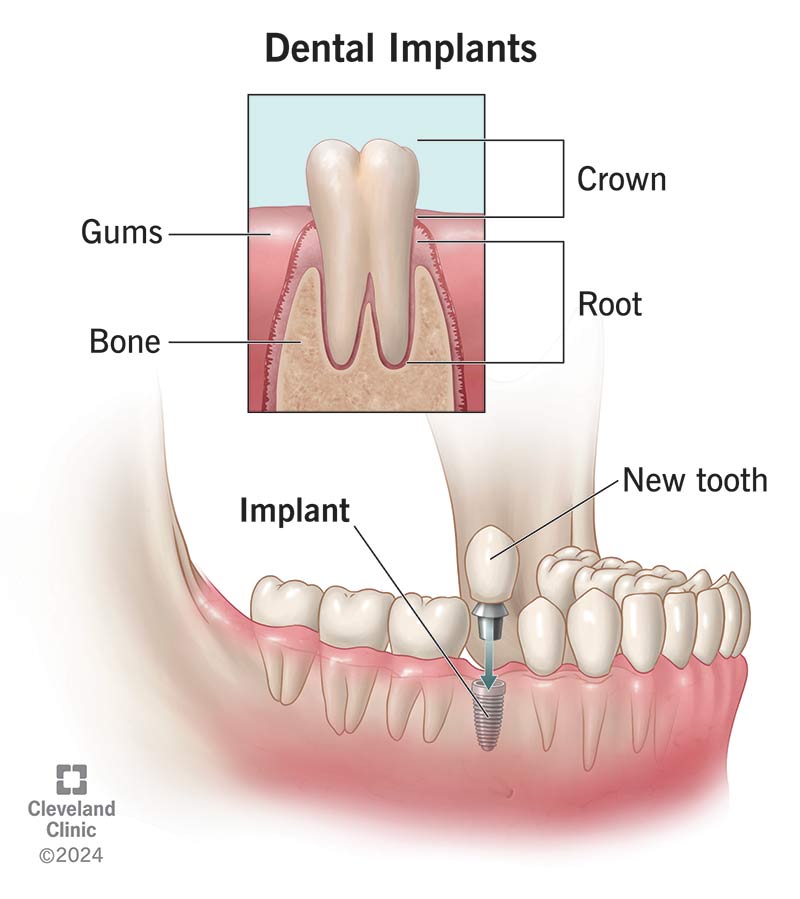
A dental implant is essentially an artificial tooth root that is surgically placed into the jawbone. It is used to support one or more artificial teeth. Because it integrates with your jawbone, it’s a stable and long-lasting solution for missing teeth. The implant itself is typically made of titanium, a biocompatible material that fuses with bone. Over time, a process called osseointegration occurs, securing the implant firmly in place.
Explanation of Dental Implants and Components
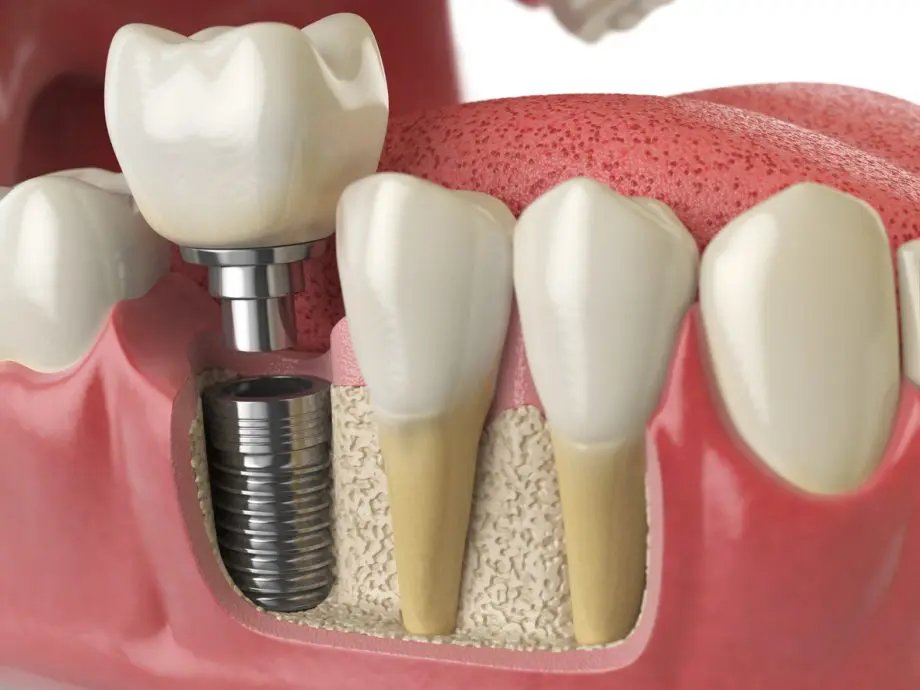
Dental implants are comprised of three main components:
- The Implant: A titanium screw that fuses with the jawbone, acting as the root.
- The Abutment: A connector that attaches to the implant and supports the crown.
- The Crown: The visible, artificial tooth that looks and functions like a natural tooth.
Types of Implants Available
Several types of implants are available, each designed for specific situations:
- Endosteal Implants: These are the most common type, placed directly into the jawbone.
- Subperiosteal Implants: These are placed under the gum but on or above the jawbone. They’re used when there is not enough healthy jawbone for endosteal implants.
- Zirconia Implants: These are metal-free implants made from zirconia, a biocompatible ceramic material. Some patients choose zirconia implants in albania for aesthetic reasons or due to metal allergies.
- Mini Dental Implants: These are smaller in diameter and are often used to stabilize dentures.
Initial Consultation and Assessment
Cluster keyword: dental consultation for implants
The first step in the dental implant process is a comprehensive consultation and assessment. During this appointment, the dentist will evaluate your overall health, oral health, and suitability for dental implants. This is a crucial step to ensure the success of the procedure.
Assessment of Candidacy
The dentist will check for factors that could affect the success of dental implants, such as:
- Sufficient bone density in the jaw to support the implant.
- Healthy gums, free from periodontal disease.
- Overall health conditions that could impact healing, like diabetes or osteoporosis.
Those with underlying conditions may not be good candidates. Understanding who should not get dental implants is essential before pursuing this treatment.
Diagnostic Imaging (X-Rays, 3D Scans)
Diagnostic imaging is a key part of the assessment. X-rays and 3D scans (like cone-beam computed tomography, or CBCT) provide detailed images of your jawbone, teeth, and surrounding structures. This allows the dentist to assess bone density, identify any potential problems, and plan the implant placement precisely.
Discussing Patient Expectations and Medical History
It is also important to discuss your expectations for dental implants. The dentist will want to know what you hope to achieve with the treatment, and they’ll explain the benefits and limitations of dental implants. They will also take a thorough medical history to identify any factors that could affect the outcome.
Stages of the Dental Implant Procedure
Cluster keyword: stages of dental implants, dental implant surgery, single tooth implant procedure
The dental implant surgery typically involves several stages, spread out over a few months. This allows for proper healing and integration of the implant with the jawbone. The timeline can vary depending on individual needs and the complexity of the case. It’s also useful to know how long do dental implants last in the UK? to decide on the most effective choice for you.
Tooth Extraction (If Required)
If the tooth that is being replaced is still present, it will need to be extracted. In some cases, the extraction and implant placement can be done in the same appointment, known as immediate implant placement. However, this is not always possible and depends on the condition of the surrounding bone and tissues.
Patients often wonder, “Can you get teeth pulled and implants the same day?” In many cases, yes, but it’s dependent on individual circumstances.
Jawbone Preparation (Bone Grafting, If Needed)
Sufficient bone density is essential for successful implant placement. If your jawbone is not thick enough or is too soft, you may need a bone graft. A bone graft involves adding bone to the area where the implant will be placed. The bone can come from your own body (autograft), a donor (allograft), or a synthetic material. It’s also important to know what can you do if you don’t have enough bone for dental implants?
Implant Placement (Step-by-Step)
Once the jawbone is ready, the implant is surgically placed into the bone. The steps are as follows:
- The dentist will make an incision in the gum tissue to expose the bone.
- A pilot hole is drilled into the bone, and then the hole is gradually widened to the correct size for the implant.
- The titanium implant is carefully screwed into place.
- The gum tissue is stitched back together, covering the implant.
Healing and Osseointegration
After implant placement, the bone needs time to heal and fuse with the implant. This process, called osseointegration, can take several months. During this time, you may be advised to eat soft foods and avoid putting too much pressure on the implant site. You may also wonder, “How long do you go without teeth when getting implants?” and there are many ways to temporarily cover missing teeth during this time.
Abutment Placement
Once osseointegration is complete, a second minor surgery is needed to attach the abutment. The abutment is a connector piece that sits on top of the implant and provides a base for the crown. To place the abutment, the dentist will reopen the gum tissue to expose the implant and then screw the abutment into place. It’s also worth knowing what is the most expensive part of a dental implant is as this includes the abutment and surgical procedure.
Permanent Crown Fitting
The final step is the placement of the permanent crown. The crown is custom-made to match the shape, size, and color of your natural teeth. It is attached to the abutment, completing the dental implant. After adjustments to ensure a proper fit and comfortable bite, your new tooth is ready.
What to Expect During and After Surgery
Cluster keyword: dental implant healing time, dental implant recovery
Knowing what to expect during and after dental implant surgery can ease anxiety and ensure a smoother recovery. From anesthesia to pain management, it’s important to be prepared.
Anesthesia and Pain Management
Dental implant surgery is typically performed under local anesthesia, which numbs the area around the implant site. In some cases, sedation may also be used to help you relax. After the surgery, you can expect some discomfort. Pain medication, such as over-the-counter pain relievers or prescription painkillers, can help manage the pain. Also many patients ask “Are you put to sleep for dental implants?” This is a good question to ask your dentist.
Recovery Timeline
The dental implant recovery timeline can vary depending on the individual and the extent of the surgery. However, here’s a general outline:
- First Few Days: Expect some swelling, bruising, and discomfort. Take prescribed pain medication as directed.
- First Week: Swelling and bruising should start to subside. Maintain a soft food diet.
- 2-4 Weeks: The gum tissue should heal. Follow-up appointments will be scheduled to monitor progress.
- Several Months: Osseointegration occurs. This process can take 3-6 months or longer.
Possible Discomfort and How It’s Managed
Possible discomforts after surgery include:
- Pain at the implant site.
- Swelling and bruising.
- Minor bleeding.
These can be managed with pain medication, ice packs, and gentle oral hygiene. It’s important to follow your dentist’s instructions carefully to minimize discomfort.
Post-Operative Instructions
Following your dentist’s post-operative instructions is crucial for successful healing. These instructions may include:
- Taking prescribed medications as directed.
- Applying ice packs to reduce swelling.
- Eating a soft food diet.
- Avoiding strenuous activity.
- Maintaining good oral hygiene.
- Attending follow-up appointments.
Aftercare and Maintenance for Dental Implants
Cluster keyword: aftercare for dental implants, dental implant alternatives
Aftercare for dental implants is essential for ensuring their long-term success. Proper oral hygiene and regular dental visits can help prevent complications and prolong the life of your implants.
Oral Hygiene Instructions
Good oral hygiene is critical for maintaining dental implants. This includes:
- Brushing your teeth at least twice a day with a soft-bristled toothbrush.
- Flossing daily to remove plaque and debris from around the implants.
- Using an antimicrobial mouthwash to kill bacteria.
- Considering interdental brushes to clean hard-to-reach areas.
You may also ask about “What is the best toothpaste for All-on-4 implants?” for optimal dental hygiene.
Follow-Up Visits
Regular follow-up visits with your dentist are important for monitoring the health of your implants. During these visits, the dentist will check the implants, gums, and surrounding teeth. They may also take X-rays to assess bone levels and ensure that the implants are stable.
Avoiding Implant Failure
Several factors can lead to implant failure, including:
- Poor oral hygiene.
- Smoking.
- Underlying health conditions.
- Bruxism (teeth grinding).
Avoiding these risk factors can help prevent implant failure and ensure the long-term success of your implants.
Comparison With Alternatives (e.g., Bridges, Dentures)
When considering tooth replacement, it’s important to compare dental implants with alternatives like bridges and dentures. Implants offer several advantages:
- Stability: Implants are anchored in the jawbone, providing superior stability compared to dentures.
- Longevity: With proper care, implants can last a lifetime, while bridges and dentures typically need to be replaced every 5-10 years.
- Bone Preservation: Implants stimulate bone growth, preventing bone loss that can occur with missing teeth.
- Aesthetics: Implants look and feel like natural teeth, providing a more aesthetically pleasing result.
However, implants also tend to be more expensive than bridges and dentures. It’s important to weigh the pros and cons of each option to determine the best choice for you.
Risks, Costs, and Success Rates
Cluster keyword: cost of dental implants, risks of dental implants, success rates for dental implants, implant-supported dentures
Before deciding on dental implants, it’s important to understand the potential risks of dental implants, costs involved, and success rates associated with the procedure.
Common Risks and Complications
While dental implants are generally safe, there are some potential risks and complications:
- Infection at the implant site.
- Nerve damage, which can cause pain, numbness, or tingling in the gums, lips, or chin.
- Sinus problems, when implants are placed in the upper jaw.
- Implant failure, if the implant does not fuse properly with the bone.
How Often Implants Fail
Dental implants have a high success rate, but they can fail in some cases. The success rates for dental implants typically range from 90% to 95%. Failure can occur shortly after surgery or years later. It’s also worth remembering what percentage of people reject dental implants? This figure can help in making a well-informed decision.
Factors Affecting Success
Several factors can affect the success of dental implants:
- Bone density.
- Oral hygiene.
- Smoking.
- Underlying health conditions.
- The skill and experience of the dentist.
General Price Ranges in the UK
The cost of dental implants in the UK can vary depending on several factors, including the type of implant, the location of the clinic, and the complexity of the case. However, here are some general price ranges:
- Single dental implant: £2,000 – £4,000
- All-on-4 dental implants: £8,000 – £15,000 per arch
- Full mouth dental implants: £15,000 – £30,000
For those seeking more affordable options, consider dental implants in Albania.
Finance Options/Insurance Coverage
Dental insurance may cover a portion of the cost of dental implants, but it is not always comprehensive. Check with your insurance provider to see what coverage is available. Many dental clinics also offer financing options, such as payment plans or loans, to help make dental implants more affordable.
Who Is a Good Candidate for Dental Implants?
Cluster keyword: best candidates for dental implants
Best candidates for dental implants are individuals who have good overall and oral health. Certain factors can affect candidacy and the success of dental implants.
Age and Health Considerations
While there is no specific upper age limit for dental implants, younger patients should wait until their jawbone has fully developed. Good overall health is essential, as certain conditions like uncontrolled diabetes or severe heart disease can increase the risk of complications.
Underlying Conditions (e.g., Osteoporosis, Diabetes)
Underlying conditions like osteoporosis and diabetes can affect the success of dental implants. Osteoporosis can reduce bone density, making it difficult for the implant to fuse with the jawbone. Diabetes can impair healing and increase the risk of infection. However, with proper management of these conditions, dental implants can still be a viable option.
Lifestyle Factors
Lifestyle factors like smoking and alcohol consumption can also affect the success of dental implants. Smoking can impair healing and increase the risk of implant failure. Excessive alcohol consumption can also interfere with healing and bone growth. Quitting smoking and limiting alcohol can improve the chances of successful dental implants. Also, understanding who is a poor candidate for dental implants is crucial before making a decision.
FAQS About the Procedure for Dental Implants
How long does the procedure for dental implants take from start to finish?
The total time for the dental implant procedure for dental implants can vary, but it typically takes several months. This includes the initial consultation and assessment, any necessary tooth extractions or bone grafting, implant placement, healing and osseointegration, abutment placement, and crown fitting. The osseointegration phase alone can take 3-6 months, making the entire process last from 6 months to a year or more.
Is the dental implant procedure painful?
The dental implant procedure is typically performed under local anesthesia to minimize pain during the surgery. Some discomfort is normal after the procedure, but it can be managed with pain medication. Many patients report that the discomfort is less than they expected. Remember to ask your dentist for how painful are dental implants to gain better understanding.
What is the average healing time after getting dental implants?
The average dental implant healing time can vary depending on individual factors, but it typically takes 3-6 months for osseointegration to occur. During this time, the bone fuses with the implant, providing a stable base for the crown. The gum tissue typically heals within a few weeks.
Can I get a dental implant the same day as a tooth extraction?
Yes, it is sometimes possible to get a dental implant the same day as a tooth extraction. This is known as immediate implant placement. However, it is not always possible and depends on the condition of the surrounding bone and tissues. If there is significant bone loss or infection, it may be necessary to wait for the area to heal before placing the implant.
What are the risks and potential complications of dental implant surgery?
The risks of dental implant surgery include infection, nerve damage, sinus problems, and implant failure. These complications are rare, but it’s important to be aware of them before undergoing the procedure.
How do I care for my dental implants after the procedure?
Caring for your dental implants after the procedure involves maintaining good oral hygiene, attending regular follow-up appointments, and avoiding risk factors like smoking and excessive alcohol consumption.
How long do dental implants last?
Dental implants are designed to be a long-term solution for missing teeth. With proper care, they can last a lifetime.
Are dental implants safe for everyone?
Dental implants are generally safe, but they may not be suitable for everyone. Certain health conditions and lifestyle factors can increase the risk of complications. A thorough assessment by a dentist is essential to determine candidacy.
What are the alternatives to dental implants?
The alternatives to dental implants include dental bridges and dentures. Bridges are artificial teeth that are anchored to adjacent teeth. Dentures are removable appliances that replace missing teeth. It’s also important to be aware of what is the best alternative to dental implants?
How much do dental implants cost in the UK, and does the NHS cover any part of the treatment?
The cost of dental implants in the UK can vary, but it is generally in the range of £2,000 to £4,000 per implant. The NHS may cover part of the treatment in certain cases, such as when tooth loss is the result of trauma or cancer. However, NHS funding for dental implants is limited.
Are there financing options available for dental implants?
Yes, many dental clinics offer financing options for dental implants, such as payment plans or loans, to help make the treatment more affordable.
Can smokers get dental implants?
Smoking can increase the risk of implant failure. It is possible for smokers to get dental implants, but they may have a lower success rate. Quitting smoking can improve the chances of successful dental implants.
How soon can I eat normally after the procedure?
You will need to follow a soft food diet for the first few weeks after the procedure. Once the gum tissue has healed and the implant has integrated with the bone, you can gradually return to eating a normal diet.
What should I avoid during dental implant recovery?
During dental implant recovery, you should avoid:
- Smoking.
- Eating hard or sticky foods.
- Strenuous activity.
- Touching the implant site with your fingers.
What is the success rate of dental implants?
The success rate of dental implants is generally high, ranging from 90% to 95%.
Who Can’t Have Dental Implants?
Although dental implants are an excellent solution for teeth restoration, there are some instances who can’t have dental implants. Factors such as the health, lifestyle or dental issues of a patient make it difficult to successfully place the teeth supports.
Medical Conditions
Some conditions like diabetes, blood disorders, immunodeficiency, or active cancer treatment may increase the risk of complications, making implants less viable.
Lifestyle
Heavy smokers or those with alcohol dependency may experience impaired healing and a higher risk of implant failure. Strict control of these habits is essential for success.
Age
Younger patients whose jawbones haven’t finished developing may not be suitable for dental implants. For older patients, overall health and bone density are the primary considerations.
At Albania Dental Implants, we prioritize a thorough assessment to ensure the best possible outcomes for every patient, recommending alternative solutions when necessary.
Considering Dental Implants? Explore Albania Dental Implants
If you’re seeking a permanent solution for missing teeth, dental implants could be the answer. At Albania Dental Implants, we offer high-quality, affordable dental implant services, combining expert care with the benefits of dental tourism in albania. Contact us today for a consultation and take the first step towards restoring your smile and confidence! Also, to find out more about cost related dental work, visit this page dental tourism in albania and we will be happy to assist!





