




Dental Implant Molar — Complete Guide, Cost, Procedure, and Aftercare
A dental implant molar is a permanent and effective solution for replacing a missing back tooth, restoring your smile’s functionality and aesthetics.
1. Introduction to Dental Implant Molar
dental implant molar, molar extraction and implant, back tooth implant
Losing a molar can have significant consequences, impacting your ability to chew properly, potentially shifting adjacent teeth, and even affecting your jawbone health. A dental implant offers a reliable and long-lasting solution. This comprehensive guide will cover everything you need to know about dental implants for molars, from the procedure and costs to recovery and aftercare.
What is a dental implant for a molar?
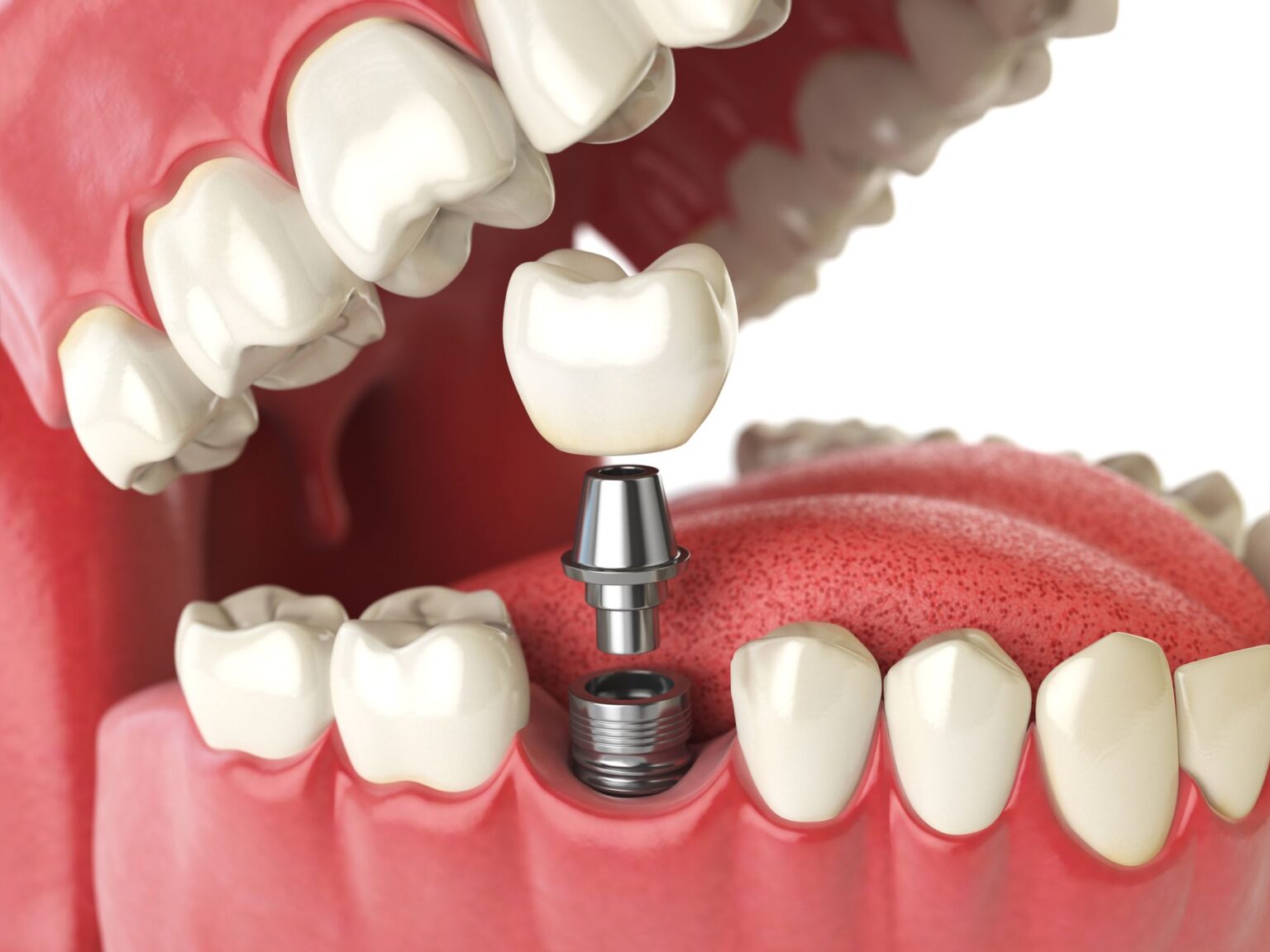
A dental implant is a small titanium post that is surgically placed into your jawbone, acting as a replacement for the root of your missing tooth. Over time, the implant fuses with the bone through a process called osseointegration, providing a stable and durable foundation for a replacement tooth. A crown, custom-made to match your other teeth, is then attached to the implant, restoring your smile and chewing function.
Why replace a missing molar tooth?
Replacing a missing molar is crucial for maintaining overall oral health. Molars are essential for chewing and grinding food, and their absence can lead to several problems:
- Difficulty chewing: Makes it harder to properly break down food, potentially leading to digestive issues.
- Shifting teeth: Adjacent teeth can drift into the empty space, causing misalignment and bite problems.
- Bone loss: The jawbone in the area of the missing tooth can deteriorate over time due to lack of stimulation.
- Changes in facial structure: Can impact the way your face looks.
Overview of the benefits of a molar implant
Choosing a dental implant to replace a missing molar offers numerous advantages:
- Durability and Longevity: With proper care, dental implants can last a lifetime.
- Improved Function: Restores your ability to chew and speak comfortably.
- Natural Appearance: Implants look and feel like your natural teeth.
- Bone Health: Helps prevent bone loss in the jaw.
- No impact on adjacent teeth: Unlike bridges, implants don’t require altering neighboring teeth for support.
2. Who Needs a Dental Implant for a Molar?
missing molar, molar extraction, dental implant candidacy
A dental implant is often the best option for individuals who have lost a molar due to decay, injury, or extraction. However, not everyone is an ideal candidate. Let’s explore who may benefit most from a molar extraction and implant.
Who may require a dental implant after molar extraction?
Individuals who have experienced molar loss due to various reasons may require a dental implant. These include:
- Severe tooth decay: When decay is too extensive to be treated with a filling or crown, extraction may be necessary.
- Trauma or injury: Accidents or sports injuries can result in tooth loss.
- Failed root canal: If a root canal procedure is unsuccessful in saving the tooth, extraction may be required.
- Gum disease: Advanced gum disease can damage the bone and tissues supporting the tooth, leading to tooth loss.
Criteria and ideal candidates for molar implants
While dental implants offer a great solution, certain criteria must be met to ensure the success of the procedure. Ideal candidates typically:
- Have good overall health: Certain medical conditions, such as uncontrolled diabetes or autoimmune diseases, can affect healing and implant success.
- Have sufficient bone density: Adequate bone in the jaw is needed to support the implant. If bone loss has occurred, a bone grafting in albania procedure may be required.
- Have healthy gums: Gum disease can compromise the implant’s stability.
- Are committed to good oral hygiene: Regular brushing, flossing, and dental check-ups are essential for long-term implant success.
- Don’t smoke: Smoking significantly impairs healing and increases the risk of implant failure.
If you’re considering a molar implant, a thorough evaluation by a qualified dentist or implantologist is crucial to determine your suitability. At Albania Dental Implants, we offer comprehensive assessments to determine the best treatment plan for your individual needs.
3. Molar Implant Procedure Step-by-Step
molar implant procedure, extraction and implant timeline, dental implant types
The molar implant procedure involves several stages, from initial assessment to final crown placement. Understanding each step can help you feel more confident and prepared for the treatment.
Preparation and assessments
The first step is a comprehensive evaluation, which typically includes:
- Dental examination: To assess the overall health of your teeth and gums.
- X-rays and CT scans: To evaluate bone density and identify the location of nerves and sinuses.
- Medical history review: To ensure you’re a suitable candidate for implant surgery.
- Treatment planning: A detailed plan is created, outlining the steps involved, the type of implant to be used, and the expected timeline.
Tooth extraction and healing phase
If the molar is still present, it will need to be extracted. In some cases, an immediate implant can be placed at the time of extraction. However, in other situations, it’s necessary to allow the extraction site to heal for several weeks or months before placing the implant. This extraction and implant timeline ensures adequate bone growth and reduces the risk of complications. Sometimes a sinus lift in albania may be required to prepare a site for dental implantation.
Implant placement (surgical stage)
During this stage, the dentist or oral surgeon will:
- Administer local anaesthesia: To numb the area and ensure you’re comfortable during the procedure. Sedation options are also available for anxious patients; we cover whether you are put to sleep for dental implants in another article.
- Make an incision in the gum tissue: To expose the jawbone.
- Create a pilot hole: Using specialized drills, a pilot hole is created in the bone at the precise location for the implant.
- Place the implant: The titanium implant post is carefully screwed into the prepared site.
- Suture the gum tissue: The incision is closed with sutures.
Healing and osseointegration
This is a crucial phase where the implant fuses with the surrounding bone. Osseointegration typically takes several months (3-6 months), during which the bone grows around the implant, providing a secure and stable foundation.
Placement of the abutment and crown for a molar
Once osseointegration is complete, the abutment (a connector piece) is attached to the implant. An impression is then taken to create a custom-made crown that perfectly matches your other teeth in shape, size, and color. The crown is then attached to the abutment, completing the restoration and restoring your smile and chewing function. There are many dental implant types; a consultation with a dentist is needed to determine the best option for you.
4. Cost of Dental Implant Molar in the UK
molar implant cost UK, private dental implants, NHS dental implants
Understanding the molar implant cost UK is an important factor in your decision-making process. The cost can vary depending on several factors, including the clinic’s location, the materials used, and the complexity of the case. It’s also important to consider the differences between private dental implants and the limited availability of NHS dental implants.
Average cost of molar implants in the UK
The average cost of a molar implant in the UK typically ranges from £2,500 to £4,000 per tooth. This includes the implant placement, abutment, and crown. However, this is just an estimate, and the final cost can vary based on individual circumstances.
Price comparison: NHS vs private treatment
Dental implants are rarely available on the NHS, and only in very specific circumstances where there is a medical need. This means that most people seeking a molar implant will need to pursue private treatment. While NHS dental implants may seem more affordable, the limited availability often makes private treatment the only viable option. You can explore can you get implants on a NHS dentist in another article.
Factors affecting the cost (materials, clinic location, expertise, bone grafting)
Several factors can influence the overall cost of a molar implant:
- Materials used: The type of implant (titanium or zirconia) and the material of the crown (porcelain, ceramic, or metal) can affect the price.
- Clinic location: Prices tend to be higher in major cities like London compared to smaller towns.
- Expertise of the dentist or oral surgeon: More experienced and specialized professionals may charge higher fees.
- Bone grafting: If bone loss has occurred, a bone grafting procedure will add to the overall cost.
- Complexity of the case: More complex cases may require additional procedures and time, increasing the cost.
Considering dental tourism can significantly reduce the cost of dental implants in albania. At Albania Dental Implants, we offer high-quality implants at a fraction of the cost compared to the UK, without compromising on quality or expertise.
5. Dental Implant vs Dental Bridge for Molar Replacement
dental bridge vs implant for molar, difference between bridge and implant, back tooth replacement options
When considering options for replacing a missing molar, you might be wondering about the dental bridge vs implant for molar comparison. Both are viable solutions, but they have distinct advantages and disadvantages. It’s essential to understand the difference between bridge and implant to make an informed decision.
Pros and cons of implants vs bridges for molars
Let’s examine the pros and cons of each option:
Dental Implants:
- Pros:
- Long-lasting and durable
- Doesn’t affect adjacent teeth
- Helps prevent bone loss
- Natural appearance and function
- Cons:
- Higher upfront cost
- Requires surgery
- Longer treatment time
Dental Bridges:
- Pros:
- Lower upfront cost
- Faster treatment time
- No surgery required
- Cons:
- Shorter lifespan compared to implants
- Requires altering adjacent teeth for support
- Doesn’t prevent bone loss
- Can be more difficult to clean
Longevity, functionality, and aesthetics
In terms of longevity, dental implants generally last much longer than dental bridges. With proper care, implants can last a lifetime, while bridges typically need to be replaced every 10-15 years. Implants also offer superior functionality, as they function and feel more like natural teeth compared to bridges. Aesthetically, both options can provide a natural-looking result, but implants are often considered superior due to their ability to emerge from the gum line like a natural tooth. When deciding whether a is a dental bridge better than an implant it is important to consider that a bridge requires support and will need to be replaced in the future.
If you prioritize long-term durability, functionality, and bone health, a dental implant is generally the preferred choice. However, if cost is a major concern and you’re looking for a faster solution, a dental bridge may be a suitable alternative.
6. Risks, Recovery, and Aftercare
dental implant risks, dental implant recovery, tooth implant side effects
Like any surgical procedure, dental implants carry certain risks. Understanding these potential complications, as well as the recovery process and aftercare instructions, is crucial for ensuring a successful outcome. We will explore what what is the downside to dental implants and how to minimise potential side effects.
Common risks and complications (infection, implant failure, nerve injury)
While dental implants have a high success rate, potential risks and complications include:
- Infection: Infection at the implant site can occur, especially if proper oral hygiene is not maintained.
- Implant failure: The implant may not fuse properly with the bone, leading to failure.
- Nerve injury: Damage to nearby nerves can cause pain, numbness, or tingling in the gums, lips, or chin.
- Sinus problems: Implants in the upper jaw can sometimes protrude into the sinus cavity, causing sinus issues.
- Bleeding: Some bleeding is expected after surgery.
Aftercare tips for molar implants
Following these aftercare tips can help minimize the risk of complications and promote healing:
- Follow your dentist’s instructions: Adhere to all post-operative instructions provided by your dentist or oral surgeon.
- Maintain good oral hygiene: Brush gently around the implant site with a soft-bristled toothbrush and floss carefully.
- Use an antibacterial mouthwash: Rinse with an antibacterial mouthwash to help prevent infection.
- Avoid smoking: Smoking significantly impairs healing.
- Eat soft foods: Stick to a soft food diet for the first few days after surgery.
- Take pain medication as prescribed: Manage any pain or discomfort with prescribed pain medication.
Recovery timeline and what to expect
The recovery timeline can vary depending on individual circumstances, but generally includes:
- First few days: Expect some swelling, bruising, and discomfort. Pain medication can help manage the pain.
- First week: Focus on rest, gentle oral hygiene, and a soft food diet.
- 2-3 weeks: Swelling and bruising should subside. You can gradually introduce more solid foods.
- 3-6 months: Osseointegration occurs, during which the implant fuses with the bone.
It’s essential to attend all follow-up appointments with your dentist or oral surgeon to monitor healing and ensure the implant is integrating properly. If you are considering to travel to dental tourism in albania this aftercare may need to be managed in your home country.
7. Frequently Asked Questions About Dental Implant Molar
Related keywords incorporated in answers
Here are some frequently asked questions about dental implants for molars:
What is the average healing time for a dental implant in a molar site?
The average healing time for a dental implant in a molar site is typically between 3 to 6 months. This allows sufficient time for osseointegration, where the implant fuses with the surrounding bone, providing a stable and secure foundation for the final crown.
Is molar implant surgery painful?
During the molar implant surgery, local anesthesia is administered to numb the area, ensuring a pain-free experience. Some discomfort is normal after the procedure, but it can be effectively managed with prescribed pain medication. The level of painful is a dental implant can be minimised through proper medications and a carefully planned procedure.
Can I get a molar implant on the NHS?
Unfortunately, it is difficult to get a molar implant on the NHS. In most cases, NHS dental implants are only available in very specific circumstances where there’s a medical need. Most individuals seeking this treatment will need to pursue private options. Check for eligibility in our can you get dental implants on NHS article.
How long does a molar implant last?
With proper care and maintenance, a molar implant can last a lifetime. Regular dental check-ups, good oral hygiene practices, and a healthy lifestyle contribute to the longevity of the implant.
Are there any alternatives to molar implants?
Yes, alternatives to molar implants include dental bridges and removable partial dentures. However, implants are generally considered the most durable and long-lasting solution. You can check what what is the best alternative to dental implants.
What should I eat after a molar implant?
After a molar implant, it’s important to stick to a soft food diet for the first few days. Examples include soups, yogurt, mashed potatoes, and smoothies. Avoid hard, crunchy, or sticky foods that could irritate the implant site.
Can a molar implant fail? What are the signs?
Yes, a molar implant can fail, although it’s uncommon. Signs of failure include increased pain, swelling, loose implant, difficulty chewing, and infection at the implant site. If you experience any of these symptoms, contact your dentist immediately.
How soon after extraction can I get a molar implant?
In some cases, an immediate implant can be placed at the time of molar extraction. However, in other situations, it’s necessary to wait several weeks or months to allow the extraction site to heal properly before placing the implant.
Does a molar implant feel like a natural tooth?
Yes, a properly placed and integrated molar implant should feel very similar to a natural tooth. The implant provides a stable and secure foundation for the crown, allowing you to chew and speak comfortably.
Can two molars be replaced with a single implant?
While it’s possible in some cases to replace two small molars with a single dental implant and a bridge, it’s generally recommended to use a separate implant for each molar to provide optimal stability and support.
Considering Molar Implants? Choose Albania Dental Implants for Quality and Affordability
Losing a molar can significantly impact your quality of life. At Albania Dental Implants, we offer a comprehensive solution with high-quality molar implants at affordable prices. Our experienced team utilizes the latest technology and techniques to ensure a successful and long-lasting outcome.
- Expert Implantologists: Our team comprises highly skilled and experienced implantologists dedicated to providing exceptional care.
- State-of-the-Art Facilities: We utilize advanced technology and equipment for precise and efficient implant placement.
- High-Quality Materials: We use only premium-grade titanium implants and durable crown materials for long-lasting results.
- Affordable Prices: We offer competitive prices without compromising on quality, making molar implants accessible to a wider range of patients.
- Dental Tourism Packages: Combine your dental treatment with a relaxing vacation in beautiful Albania.
Don’t let a missing molar affect your smile and oral health any longer. Contact Albania Dental Implants today to schedule a consultation and learn more about our molar implant solutions. We offer a range of Albania Dental Implants Services.





