




Implants Teeth: Everything You Need to Know About Dental Implants
Implants teeth have transformed modern dentistry, offering a permanent solution for missing teeth.
What Are Implants Teeth?
If you’re researching dental implants, also known as tooth implants or artificial teeth, you’re likely looking for a reliable way to restore your smile and improve your oral health. Dental implants offer a permanent solution to missing teeth, providing a strong foundation for replacement teeth that look, feel, and function like natural teeth.
Definition and Overview of Dental Implants
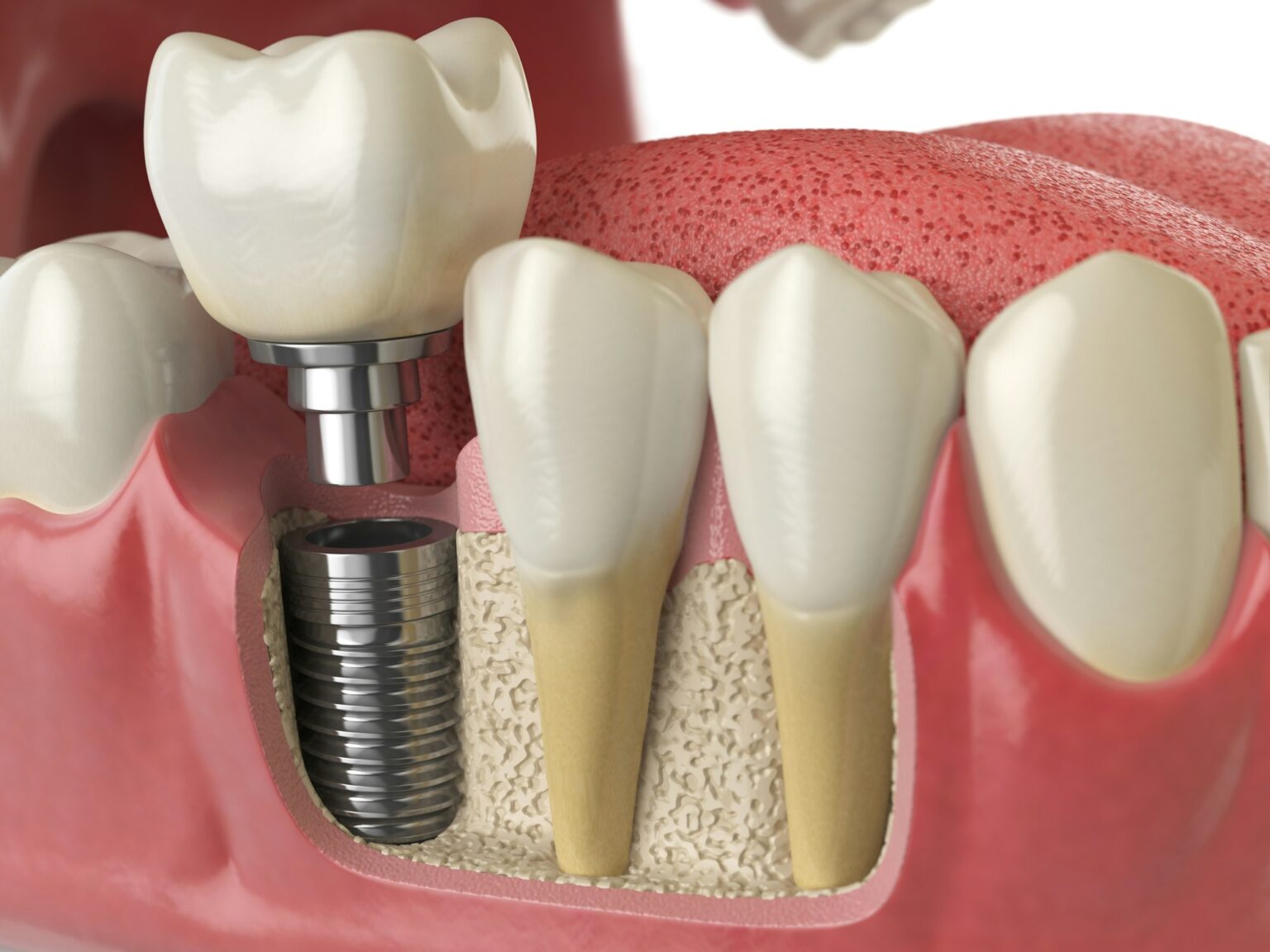
Dental implants are essentially artificial tooth roots, usually made of titanium, that are surgically placed into your jawbone. Once in place, they fuse with the bone through a process called osseointegration, providing a stable base for a replacement tooth or a set of teeth. Unlike dentures or bridges, dental implants don’t rely on adjacent teeth for support, offering a more durable and long-lasting solution. Thinking about Albania as a destination for your dental implant journey? Our Albania Dental Implants services provide high-quality care at affordable prices.
Components: Post, Abutment, Crown
A complete dental implant consists of three main parts:
- The Implant Post: This is the titanium screw that is surgically placed into the jawbone, acting as the artificial root.
- The Abutment: This is a connector piece that attaches to the implant post and serves as a base for the crown.
- The Crown: This is the artificial tooth that is custom-made to match the color, shape, and size of your natural teeth. It attaches to the abutment, completing the implant.
The crown is typically made of porcelain or ceramic to look and function like a natural tooth. If you are looking for superior aesthetics, you might want to consider zirconia implants in albania.
Historical Development and Significance
The concept of tooth implants dates back centuries, with early examples found in ancient civilizations. However, modern dental implants, as we know them today, were pioneered in the 1950s by Swedish orthopedic surgeon Dr. Per-Ingvar Brånemark. His discovery of osseointegration revolutionized dentistry and laid the foundation for the widespread use of dental implants. The significance of dental implants lies in their ability to restore not only the appearance of your smile but also the function of your teeth, improving your ability to eat, speak, and maintain good oral hygiene. By choosing dental implants, you invest in a long-term solution that boosts your confidence and quality of life.
Types of Implants Teeth
When considering implants teeth, it’s essential to understand the different types available. The primary types are endosteal implants, subperiosteal implants, and, in more complex cases, zygomatic implants. Each type caters to specific needs and bone structures.
Differences Between Major Types
- Endosteal Implants: These are the most common type of dental implants. They are placed directly into the jawbone and are suitable for patients with sufficient bone density. Endosteal implants can support single crowns, bridges, or dentures.
- Subperiosteal Implants: These implants rest on top of the jawbone but under the gum tissue. They are typically used when patients have insufficient bone height for endosteal implants.
- Zygomatic Implants: These are the least common and most complex type of implants. They are anchored in the zygomatic bone (cheekbone) and are used when patients have severe bone loss in the upper jaw, making endosteal implants impossible.
Understanding these differences will help you and your dentist determine the most suitable option for your unique situation.
Suitable Candidates for Each Type
The ideal candidate for each type of tooth implant varies:
- Endosteal Implants: Ideal for patients with good overall health and sufficient jawbone density. A thorough assessment, like the ones conducted at dental clinic in albania is critical to identify the proper candidate.
- Subperiosteal Implants: Suitable for patients with insufficient bone height or who cannot undergo bone grafting.
- Zygomatic Implants: Best for patients with severe bone loss in the upper jaw who are not candidates for bone grafting or other types of implants.
A comprehensive evaluation by a qualified dentist is crucial to determine your suitability for each type of implant.
Materials Commonly Used (Titanium, Ceramic)
Dental implants are typically made from two main materials:
- Titanium: This is the most widely used material due to its biocompatibility, strength, and ability to fuse with the bone (osseointegration).
- Ceramic (Zirconia): Ceramic implants are a metal-free alternative that offers excellent aesthetics and biocompatibility. They are a good option for patients with metal allergies or those who prefer a natural-looking alternative.
Both materials have proven to be effective and safe for dental implants. The choice depends on factors such as your individual needs, preferences, and any potential allergies. If you are unsure, considering a consulation in our dental clinic in albania might be the best option.
The Dental Implant Procedure
The dental implant procedure, also known as implant surgery or the implant process, is a multi-step process designed to provide a permanent solution for missing teeth, and a full teeth restoration. Understanding each step can help alleviate anxiety and ensure you are well-prepared for the treatment.
Steps Involved: Assessment, Surgery, Healing, Placement
The implant surgery process typically involves the following steps:
- Assessment: A comprehensive evaluation, including dental x-rays and CT scans, to assess your oral health and bone density.
- Surgery: The surgical placement of the implant post into the jawbone. This procedure is usually performed under local anesthesia.
- Healing: A healing period of several months (typically 3-6 months) to allow osseointegration, where the implant post fuses with the jawbone.
- Abutment Placement: Once osseointegration is complete, an abutment is attached to the implant post.
- Crown Placement: Finally, a custom-made crown is attached to the abutment, completing the implant.
Some clinics offer immediate loading dental implants in albania, reducing treatment time.
Preparation Requirements
Proper preparation is essential for a successful dental implant procedure:
- Medical Evaluation: A thorough medical history review and physical examination to ensure you are a suitable candidate.
- Dental Examination: A comprehensive dental examination, including x-rays and CT scans, to assess your oral health and bone density.
- Treatment Planning: A detailed treatment plan outlining the steps involved, timeline, and costs.
- Pre-Operative Instructions: Instructions on how to prepare for surgery, including dietary restrictions and medications to avoid.
Addressing any existing dental issues, such as gum disease or tooth decay, is also crucial before proceeding with the implant process.
Typical Timeline and Follow-Up
The typical timeline for a dental implant procedure can vary, but it generally looks like this:
- Initial Consultation: 1-2 hours
- Implant Placement Surgery: 1-3 hours
- Healing Period: 3-6 months
- Abutment Placement: 30-60 minutes
- Crown Placement: 30-60 minutes
Regular follow-up appointments are essential to monitor the healing process and ensure the success of the teeth restoration. These appointments typically occur every few months during the first year and then annually thereafter. If you are coming from the UK you should check dental tourism in albania, for a treatment plan that fits your needs.
Benefits of Implants Teeth
The advantages of dental implants extend far beyond just aesthetics. Implants teeth offer significant improvements in improved oral health, aesthetic benefits, and overall quality of life.
Comparison with Dentures and Bridges
When compared to dentures and bridges, dental implants offer several advantages:
- Stability: Dental implants are anchored in the jawbone, providing superior stability compared to dentures, which can slip or shift.
- Longevity: Dental implants are a long-term solution that can last a lifetime with proper care, whereas dentures and bridges typically need to be replaced every 5-10 years.
- Bone Health: Dental implants stimulate bone growth, preventing bone loss that can occur with dentures and bridges.
- Aesthetics: Dental implants look and feel like natural teeth, providing a more natural-looking smile.
- Functionality: Dental implants restore full chewing function, allowing you to eat a wider variety of foods.
While dentures and bridges can be more affordable upfront, dental implants offer better long-term value due to their durability and benefits.
Longevity and Durability
One of the most significant advantages of dental implants is their longevity. With proper care, dental implants can last a lifetime. This durability stems from the osseointegration process, where the implant post fuses with the jawbone, creating a strong and stable foundation. Regular dental check-ups and good oral hygiene practices are essential to maintaining the longevity of your tooth implants. If you are wondering how long do dental implants last?, a consultation might give you a more personalised estimate.
Impact on Bite and Jaw Health
Implants teeth have a positive impact on your bite and jaw health. When you have missing teeth, the remaining teeth can shift, leading to bite problems and jaw pain. Dental implants restore the natural alignment of your teeth, preventing these issues. Additionally, tooth implants stimulate bone growth in the jaw, preventing bone loss and maintaining the structural integrity of your face. This can help prevent a sunken facial appearance and improve your overall jaw health. Oral surgery in albania can help achieve and maintain optimal dental alignment.
Risks and Considerations
While implants teeth offer numerous benefits, it’s important to be aware of the potential implant risks, implant complications, and contraindications before proceeding with the treatment.
Common Side Effects and Potential Complications
Some common side effects and potential complications associated with implant surgery include:
- Infection: Infection at the implant site can occur, especially if proper oral hygiene is not maintained.
- Nerve Damage: Nerve damage can result in pain, numbness, or tingling in the gums, lips, or chin.
- Sinus Problems: Implants in the upper jaw can sometimes protrude into the sinus cavity, causing sinus problems.
- Implant Failure: In rare cases, the implant may not fuse properly with the bone, leading to implant failure.
- Peri-implantitis: This is inflammation of the tissue around the implant, which can lead to bone loss and implant failure.
Choosing an experienced and qualified dentist can help minimize these risks. If you are asking what is the downside to dental implants?, consider all these factors.
Who Should Avoid Implants?
Certain individuals may not be suitable candidates for tooth implants. Those include:
- Patients with uncontrolled diabetes: Diabetes can impair healing and increase the risk of infection.
- Heavy smokers: Smoking can interfere with osseointegration and increase the risk of implant failure.
- Patients with certain medical conditions: Conditions such as autoimmune diseases or bleeding disorders can increase the risk of complications.
- Patients with insufficient bone density: Adequate bone density is essential for implant stability.
- Pregnant women: Dental implant surgery is generally not recommended during pregnancy.
A thorough medical evaluation is crucial to determine if dental implants are right for you. For those unsure, it might be useful to understand who should not get dental implants?.
Costs and Insurance Coverage
The cost of implants teeth can vary depending on several factors, such as the number of implants needed, the type of implant, and the location of the clinic. Unfortunately, dental implants are not always covered by insurance. Many insurance companies consider dental implants to be a cosmetic procedure and do not provide coverage. However, some insurance plans may cover a portion of the cost, especially if the implants are deemed medically necessary. It’s essential to check with your insurance provider to determine your coverage options. Cost of dental implants in albania can be much lower than in the UK, and can be a good option. If the cost is a barrier, consider asking how do you pay for dental implants UK? to see finance options.
Care and Maintenance
Proper implant hygiene and aftercare are essential for ensuring the longevity and success of your tooth implants. Regular maintenance and professional check-ups can help prevent complications and keep your implants in top condition. If you’re considering dental implants in albania, understanding the long-term care is essential.
Daily Maintenance (Brushing, Flossing Techniques)
Your daily oral hygiene routine should include:
- Brushing: Brush your teeth at least twice a day with a soft-bristled toothbrush and non-abrasive toothpaste. Pay special attention to the areas around your implants.
- Flossing: Floss daily using unwaxed floss or interdental brushes to clean between your teeth and around the implants.
- Water Flossing: Consider using a water flosser to remove debris and bacteria from hard-to-reach areas.
Proper brushing and flossing techniques can help prevent plaque buildup and infection, protecting your implants and gums.
Professional Check-Ups
Regular professional check-ups are crucial for maintaining the health of your implants teeth. During these check-ups, your dentist will:
- Examine Your Implants: Check the stability and condition of your implants.
- Assess Your Gums: Look for signs of inflammation or infection.
- Clean Your Teeth: Remove plaque and tartar buildup.
- Take X-Rays: Monitor bone levels around your implants.
Professional cleanings and examinations can help detect and address any potential issues early on, preventing complications and ensuring the long-term success of your implants.
Longevity Tips
To maximize the longevity of your tooth implants, follow these tips:
- Maintain Good Oral Hygiene: Brush and floss regularly.
- Avoid Smoking: Smoking can increase the risk of implant failure.
- Eat a Healthy Diet: A balanced diet supports overall health and can help prevent bone loss.
- Avoid Hard or Sticky Foods: These can damage your implants or crowns.
- Protect Your Teeth: Wear a mouthguard during sports or if you grind your teeth.
- Visit Your Dentist Regularly: Schedule regular check-ups and cleanings.
By following these guidelines, you can enjoy the benefits of your dental implants for many years to come.
FAQ Section
Let’s address some frequently asked questions about implants teeth.
What are implants teeth and how do they work?
Implants teeth, also known as dental implants, are artificial tooth roots, typically made of titanium, that are surgically placed into your jawbone. They fuse with the bone through osseointegration, providing a stable base for a replacement tooth or set of teeth. A connector piece called an abutment is attached to the implant, and a custom-made crown is placed on top to mimic the appearance and function of a natural tooth. In essence, they work as a permanent, durable replacement for missing teeth.
Who is a good candidate for dental implants?
A good candidate for dental implants generally has good overall health, sufficient bone density in the jaw, and is committed to maintaining good oral hygiene. Non-smokers or those willing to quit smoking are also better candidates. A thorough evaluation by a dentist is crucial to determine suitability. If you are asking who is not suitable for implants?, you might find useful information before a dental visit.
How long do implants teeth last?
With proper care and maintenance, implants teeth can last a lifetime. The longevity of tooth implants depends on factors such as oral hygiene, diet, lifestyle, and regular dental check-ups. Avoiding smoking and maintaining good oral hygiene habits are crucial for ensuring the long-term success of your implants. It’s worth understanding how long do dental implants last in the UK?.
What is the typical cost of dental implants in the UK?
The cost of dental implants in the UK can vary widely depending on factors such as the number of implants needed, the type of implant, and the location of the clinic. On average, a single dental implant can cost between £2,000 and £4,000. Full mouth dental implants can range from £10,000 to £30,000 or more. For affordable alternatives, explore cost of dental implants in albania.
Are implants teeth painful to get?
Most patients report minimal discomfort during the implant surgery. Local anesthesia is used to numb the area, and some dentists offer sedation options to further reduce anxiety and discomfort. Post-operative pain can usually be managed with over-the-counter pain relievers. While there might be discomfort, understanding how painful are dental implants? is important. Our team are on hand to answer any concerns.
How do implants teeth compare to dentures?
Implants teeth offer several advantages over dentures. They are more stable, durable, and natural-looking. Dental implants also stimulate bone growth and prevent bone loss, which can occur with dentures. While dentures may be more affordable upfront, tooth implants offer better long-term value and improved quality of life.
What is the recovery time for dental implant surgery?
The recovery time for dental implant surgery can vary, but most patients can return to their normal activities within a few days. The healing process, where the implant fuses with the bone, can take several months (typically 3-6 months). During this time, it’s important to follow your dentist’s instructions and maintain good oral hygiene.
Can dental implants be done in a day?
In some cases, dental implants can be done in a day, also known as immediate loading dental implants. However, this option is not suitable for everyone and depends on factors such as bone density and overall health. Your dentist will assess your individual situation to determine if same-day implants are an option for you.
What are the risks of dental implants?
Some potential risks associated with dental implants include infection, nerve damage, sinus problems, implant failure, and peri-implantitis. However, these complications are rare and can often be avoided by choosing an experienced dentist and following proper aftercare instructions. When asking what is the downside of all on four dental implants?, it’s useful to weigh all aspects.
Conclusion
Implants teeth provide a transformative solution for missing teeth, offering numerous benefits over traditional options like dentures and bridges. From improved oral health and aesthetics to long-term durability and enhanced quality of life, dental implants are a worthwhile investment in your smile and overall well-being. If you’re considering restoring your smile with tooth implants, we encourage you to contact Albania Dental Implants today. Our experienced team can assess your individual needs and provide a personalized treatment plan to help you achieve a confident, healthy smile. Don’t let missing teeth hold you back – contact us now for a consultation and discover how dental implants can change your life!





