



What is a dental implant? A dental implant is a surgical component that interfaces with the bone of the jaw or skull to support a dental prosthesis such as a crown, bridge, denture, facial prosthesis, or to act as an orthodontic anchor. Dental implants are a permanent and effective solution for missing teeth, offering improved function, aesthetics, and long-term oral health.
How Do Dental Implants Work?
Understanding the dental implant procedure, implant components, and the crucial process of osseointegration is key to appreciating how dental implants work. From the initial assessment to the final placement, each step is designed to create a stable and lasting foundation for your new tooth.
Definition and Structure of a Dental Implant
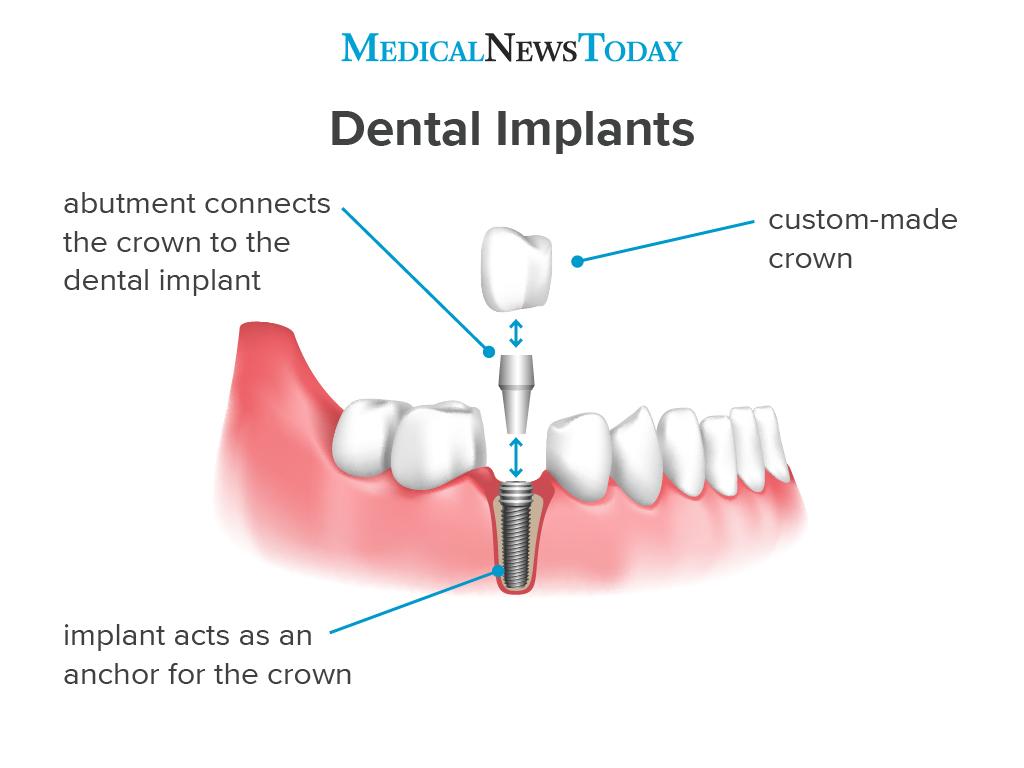
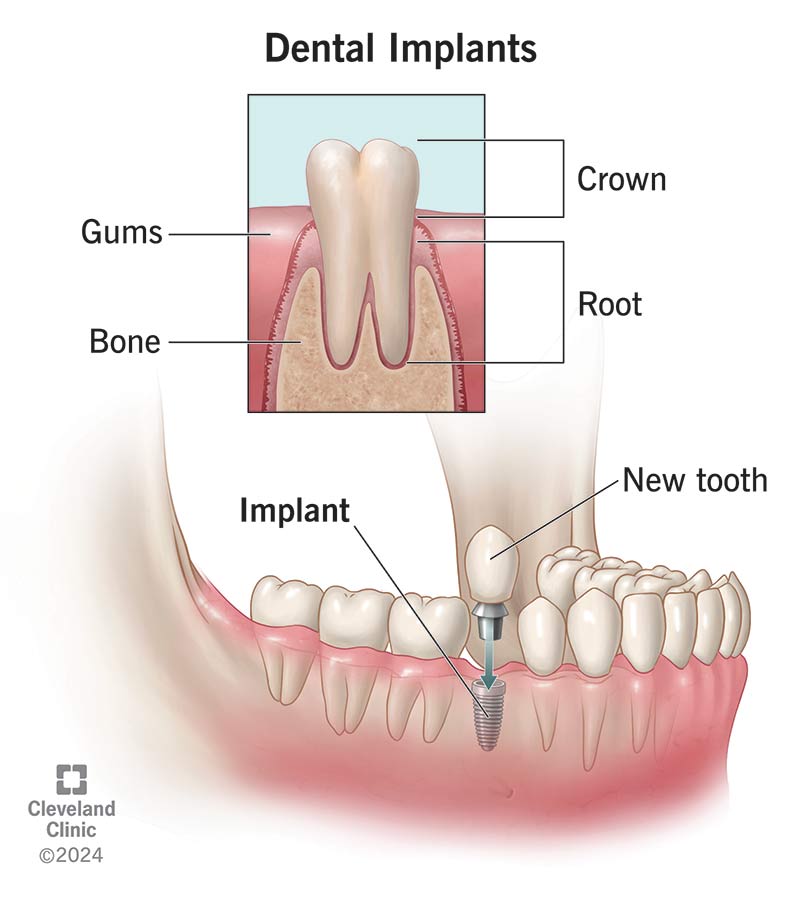
A dental implant is essentially an artificial tooth root. It typically consists of three parts:
- The Implant Post: This is the titanium screw that is surgically placed into the jawbone. Titanium is biocompatible, meaning it integrates well with bone.
- The Abutment: This is a connector piece that attaches to the implant post and extends above the gum line.
- The Crown: This is the artificial tooth that is attached to the abutment. It is custom-made to match the color, shape, and size of your natural teeth.
Overview of the Dental Implant Process: Assessment, Surgery, Recovery
The dental implant process involves several stages:
- Assessment: A thorough examination, including X-rays and/or CT scans, is performed to assess your bone density and determine the best location for the implant.
- Surgery: The implant post is surgically placed into the jawbone under local anesthesia (and potentially sedation).
- Osseointegration: Over the next few months, the bone grows around the implant post, fusing it to the jawbone. This process is called osseointegration.
- Abutment Placement: Once osseointegration is complete, the abutment is attached to the implant post.
- Crown Placement: Finally, the custom-made crown is attached to the abutment, completing the restoration.
Explanation of Osseointegration (Bone Integration with Implant)
Osseointegration is the cornerstone of dental implant success. It refers to the direct structural and functional connection between living bone and the surface of a load-bearing artificial implant. Without osseointegration, the implant would not be stable enough to support a crown or other dental prosthesis. This process typically takes several months, and its success depends on factors such as bone density, overall health, and proper aftercare.
Types of Dental Implants
Exploring the different endosteal implants, subperiosteal implants, options for single vs multiple implants, and the possibility of immediate-load implants can help you understand which type of implant is right for your needs.
Endosteal vs. Subperiosteal Implants
There are two main types of dental implants:
- Endosteal Implants: These are the most common type of dental implant. They are placed “in the bone” (endo- = inside; osteal = bone). Endosteal implants require sufficient bone density for successful placement and osseointegration.
- Subperiosteal Implants: These implants are placed “on the bone” (sub- = below; peri- = around; osteal = bone) but under the gum tissue. A metal framework is fitted onto the jawbone, and posts protrude through the gums to support the crown. Subperiosteal implants are typically used when there is insufficient bone density for endosteal implants, although bone grafting is now often preferred.
Options for Single Tooth, Multiple Teeth, or Full-Mouth Restoration
Dental implants can be used to replace a single tooth, multiple teeth, or even a full arch of teeth:
- Single Tooth Implant: A single implant replaces one missing tooth, providing a natural-looking and functional restoration. You can get single tooth implants in Albania.
- Multiple Implants with Bridges: Several implants can be used to support a bridge, replacing multiple adjacent missing teeth. Consider multiple implants with bridges in Albania.
- Full-Mouth Restoration: For patients who have lost all or most of their teeth, full-mouth restoration with dental implants, such as the all on 4 dental implants in albania or all on 6 dental implants in albania technique, can provide a stable and permanent solution. The full mouth reconstruction in Albania is a viable option for those seeking comprehensive dental care.
Immediate vs. Delayed Loading Implants
Dental implants can be loaded (have a crown attached) either immediately or after a period of healing:
- Immediate-Load Implants: These implants have a temporary crown attached on the same day as the implant placement. This option is suitable for patients with good bone density and stability. Immediate loading dental implants in Albania are gaining popularity.
- Delayed-Loading Implants: With this traditional approach, the implant is allowed to heal and integrate with the bone for several months before the abutment and crown are attached.
Benefits of Dental Implants
Understanding the wide range of dental implant advantages, including improvements to oral health, durability, and aesthetics, helps explain why they are a preferred choice for tooth replacement. Dental implants offer a transformative solution for restoring your smile and overall quality of life.
Improved Function and Appearance
Dental implants provide numerous benefits compared to other tooth replacement options:
- Natural Look and Feel: Implants look, feel, and function like natural teeth.
- Improved Speech: Unlike dentures, implants do not slip or move, allowing you to speak clearly and confidently.
- Enhanced Chewing Ability: Implants are anchored in the jawbone, providing excellent stability for chewing and eating your favorite foods. With Albania Dental Implants Services, you can regain your ability to enjoy a variety of foods.
Bone Preservation and Stability
Dental implants help preserve bone density and prevent bone loss:
- Prevents Bone Resorption: When a tooth is lost, the surrounding bone begins to resorb (deteriorate). Implants stimulate bone growth and prevent this process.
- Maintains Facial Structure: Bone loss can lead to a sunken facial appearance. Implants help maintain the natural shape of your face.
Long-Term Maintenance and Durability
Dental implants are a long-term investment in your oral health:
- High Success Rate: With proper care, dental implants have a high success rate and can last for many years, even a lifetime.
- Easy Maintenance: Implants can be cared for like natural teeth, with regular brushing, flossing, and dental check-ups.
Comparison with Dentures and Bridges
Compared to dentures and bridges, dental implants offer significant advantages:
- Dentures: Dentures are removable and can be uncomfortable, affect speech, and make eating difficult. They also do not prevent bone loss.
- Bridges: Bridges require grinding down adjacent healthy teeth for support. Implants do not affect neighboring teeth.
Who is a Candidate for Dental Implants?
Assessing eligibility, considering potential health conditions, evaluating bone density, and understanding age requirements are crucial steps in determining if dental implants are right for you. A comprehensive evaluation will help determine if you meet the necessary criteria for successful implant placement.
Requirements for Implant Candidacy (Bone Density, Gum Health)
To be a good candidate for dental implants, you should have:
- Adequate Bone Density: Sufficient bone density in the jawbone is essential to support the implant.
- Healthy Gums: Gum disease can compromise the success of dental implants.
- Good Overall Health: Certain medical conditions can affect the healing process and implant success.
Conditions that Affect Eligibility (Age, Smoking, Health Issues)
Certain factors can affect your eligibility for dental implants:
- Age: There is no upper age limit for dental implants, but younger patients may need to wait until their jawbone has fully developed. The article, What is the best age for dental implants?, provides more information on optimal timing.
- Smoking: Smoking can impair healing and increase the risk of implant failure.
- Health Issues: Conditions such as diabetes, heart disease, and autoimmune disorders can affect implant success. Who should not get implants? Learn more from the article, Who should not get dental implants?
Alternatives for Those Who Are Not Candidates
If you are not a candidate for dental implants, alternative tooth replacement options include:
- Dentures: Removable appliances that replace missing teeth.
- Bridges: Fixed appliances that attach to adjacent teeth to fill the gap. What is the best alternative to dental implants? Find out more here.
Risks and Considerations
Being aware of potential dental implant risks, possible complications, essential aftercare practices, and understanding the overall success rate is vital for making an informed decision about dental implants. While dental implants are generally safe and effective, it’s important to be aware of potential issues.
Common Surgical Risks and Side Effects
Like any surgical procedure, dental implant surgery carries some risks and side effects:
- Infection: Infection at the implant site.
- Bleeding: Excessive bleeding after surgery.
- Nerve Damage: Damage to nerves in the jaw, which can cause numbness or tingling.
- Sinus Problems: Implants in the upper jaw can sometimes protrude into the sinus cavity.
Long-Term Complications and How to Manage Them
Long-term complications can include:
- Peri-implantitis: Inflammation and bone loss around the implant.
- Implant Failure: The implant fails to integrate with the bone and becomes loose.
These complications can be managed with proper oral hygiene, regular dental check-ups, and prompt treatment of any issues that arise.
Success/Failure Rates and Main Factors
Dental implants have a high success rate, generally ranging from 90% to 95%. Factors that can affect success include:
- Bone Density: Adequate bone density is crucial for implant stability.
- Overall Health: Certain medical conditions can increase the risk of failure.
- Oral Hygiene: Poor oral hygiene can lead to infection and implant failure.
- Smoking: Smoking significantly increases the risk of implant failure.
Frequently Asked Questions
Addressing common questions about dental implant cost, potential pain, insurance coverage, necessary aftercare, expected lifespan, and implant materials can help alleviate concerns and provide a clearer understanding of what to expect with dental implants.
What is the average cost of a dental implant?
The average cost of a dental implant in the UK can vary widely, typically ranging from £2,000 to £4,000 per implant. This cost includes the implant post, abutment, and crown. The average cost of dental implants in the UK can vary significantly based on several factors, including the type of implant, the complexity of the procedure, and the location of the dental practice. You can explore more about the costs involved from the article dental implants cost UK NHS. However, did you know that you can save significantly on the cost of dental implants by considering dental tourism in Albania? Find out more about cost of dental implants in Albania.
Is the dental implant procedure painful?
Most patients report minimal discomfort during the dental implant procedure. Local anesthesia is used to numb the area, and sedation options are available for anxious patients. Post-operative pain is typically managed with over-the-counter pain relievers. You can understand what to expect from the article how painful are dental implants. The article, What is the most painful part of a dental implant?, offers further insights into the process.
How long do dental implants last?
With proper care, dental implants can last for many years, even a lifetime. The lifespan of a dental implant depends on factors such as oral hygiene, overall health, and lifestyle habits. How long do dental implants last? Get your answer here.
Are dental implants covered by insurance?
Dental insurance coverage for implants varies widely. Some policies may cover a portion of the cost, while others may not cover implants at all. It’s best to check with your insurance provider to determine your coverage. For those seeking more affordable solutions, it’s good to know how to afford dental implants in the UK.
What materials are dental implants made from?
Dental implants are typically made from titanium, a biocompatible material that integrates well with bone. Crowns are typically made from porcelain, ceramic, or composite resin. You can explore more about the materials from the article what are dental implants made of.
How do I care for my implants after surgery?
After dental implant surgery, it’s important to follow your dentist’s instructions carefully. This may include:
- Taking pain medication as prescribed.
- Eating soft foods.
- Avoiding smoking.
- Practicing good oral hygiene.
Can anyone get dental implants?
While dental implants are a great option for many, not everyone is a suitable candidate. Factors like bone density, overall health, and lifestyle habits can impact eligibility. You can learn more about who can’t have dental implants from this resource.
What happens if a dental implant fails?
Although dental implants have a high success rate, failures can occur. If a dental implant fails, it will need to be removed. In many cases, a new implant can be placed after the area has healed. To minimize the risk of failure, you can review the article what is the failure rate of All-on-4 dental implants.
Choosing a Dental Implant Provider
Selecting the right dental implant specialist by considering their surgeon qualifications and carefully choosing a clinic selection can significantly impact the success of your dental implant procedure. Look for a provider with extensive experience, advanced training, and a commitment to patient care.
Qualifications and Experience to Look For
When choosing a dental implant provider, look for:
- Board Certification: Certification in implant dentistry or oral and maxillofacial surgery.
- Experience: A dentist with extensive experience in placing dental implants.
- Training: Advanced training in implant dentistry techniques.
Questions to Ask Your Provider
During your consultation, ask questions such as:
- What is your experience with dental implants?
- What type of implants do you use?
- What is the success rate of your implants?
- What are the risks and complications associated with the procedure?
What to Expect at Your Consultation
At your consultation, expect the dentist to:
- Review your medical history.
- Perform a thorough oral examination.
- Take X-rays and/or CT scans.
- Discuss your treatment options and answer your questions.
Summary and Next Steps
A quick dental implant consultation can provide you with personalized advice about your dental implant options. Contact us today to learn more and take the first step towards restoring your smile!
Recap Main Points
Dental implants are a permanent and effective solution for missing teeth, offering improved function, aesthetics, and long-term oral health. The procedure involves surgical placement of an implant post into the jawbone, followed by osseointegration, abutment placement, and crown placement. While dental implants have a high success rate, it’s important to be aware of the risks and considerations. Choosing the right provider and following proper aftercare instructions are crucial for ensuring a successful outcome.
Call-to-Action: Booking a Consultation or Asking Questions
Ready to learn more about dental implants and see if they are right for you? Contact Albania Dental Implants today to schedule a consultation! Our experienced team can answer your questions, assess your needs, and develop a personalized treatment plan to restore your smile and confidence. Whether you’re interested in a single implant, multiple implants, or full-mouth restoration, we can help you achieve the results you’re looking for. Take advantage of the benefits of dental tourism in Albania for high-quality, affordable dental care.